
Remora IOT device
The tedious and repetitive process of measuring and assessing track condition and the lack of generational exchange among the aging skilled expert personnel is generating ever-increasing costs for maintaining rail infrastructure.
The lack of emergence of new revolutionary solutions and decisive response of infrastructure managers to this problem will cause further aggravation of the problem and high financial losses in the near time frame.equipment
- Low efficiency of manual measurements
- High cost of maintenance personnel
- Lack of automation of the process
- High cost of diagnostic equipment
Solution:
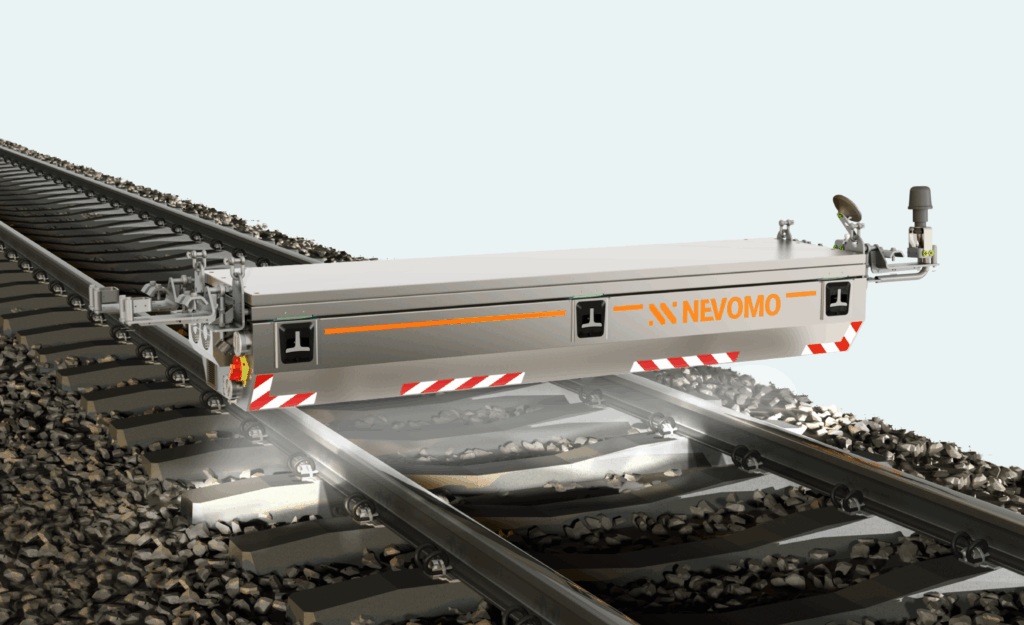
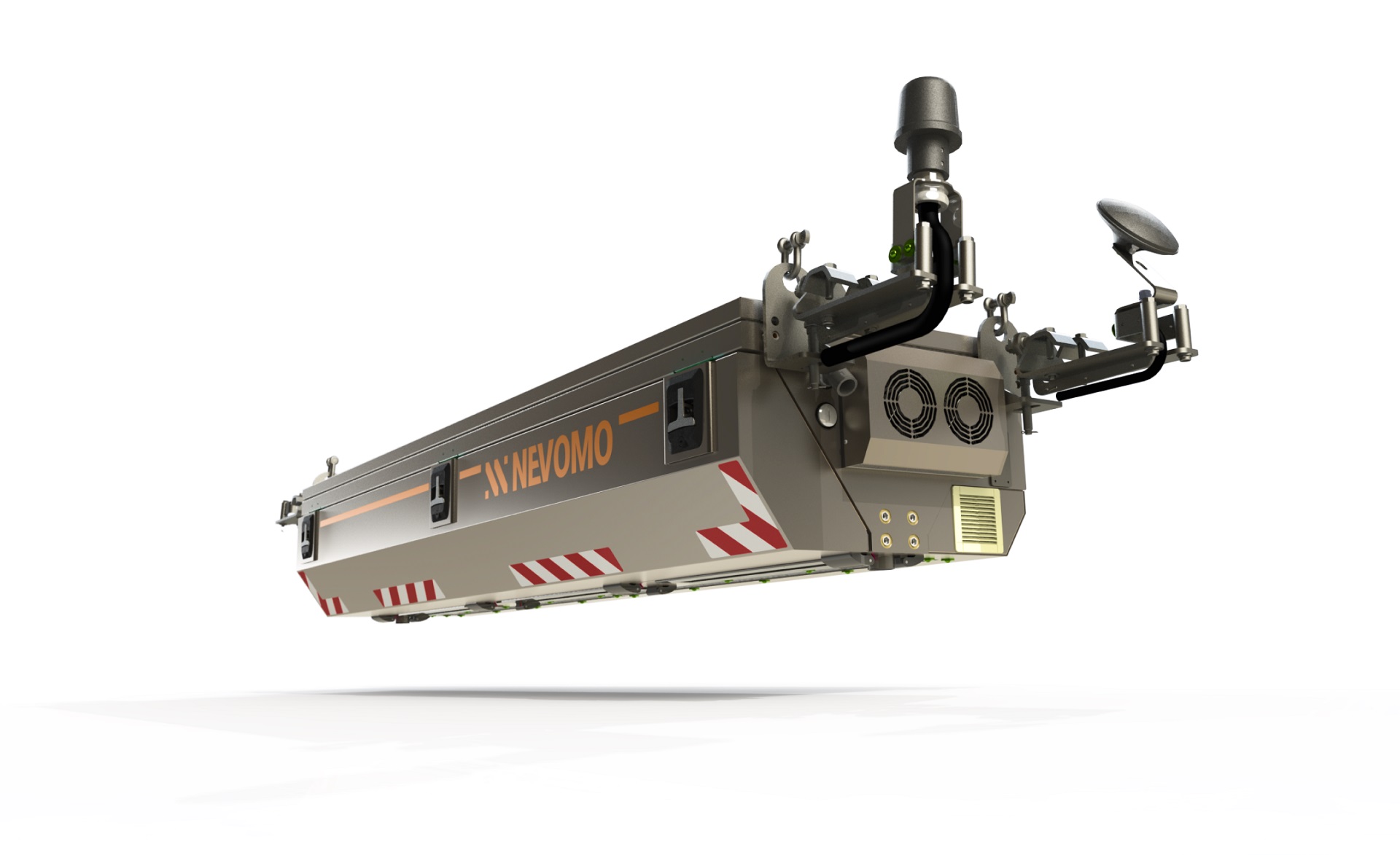
Remora – a rail infrastructure inspection device
Remora is part of the MagRail development for safe and automated rail operations, relying on an infrastructure in proper setup. Remora can be also used standalone as a maintenance supporting solution.
The solution
Remora is an innovative IoT tool developed by Nevomo for real-time monitoring and analysis of railway infrastructure. This system collects data on the technical condition of tracks, bridges, and other infrastructure components, enabling early detection of potential issues and allowing for preventive maintenance. By enhancing safety and operational efficiency, Remora helps railway infrastructure managers better manage resources and reduce the risk of failures.
State-of-play
Tested algorithms and data collection device – ready for commercial pilots to achieve the product stage.
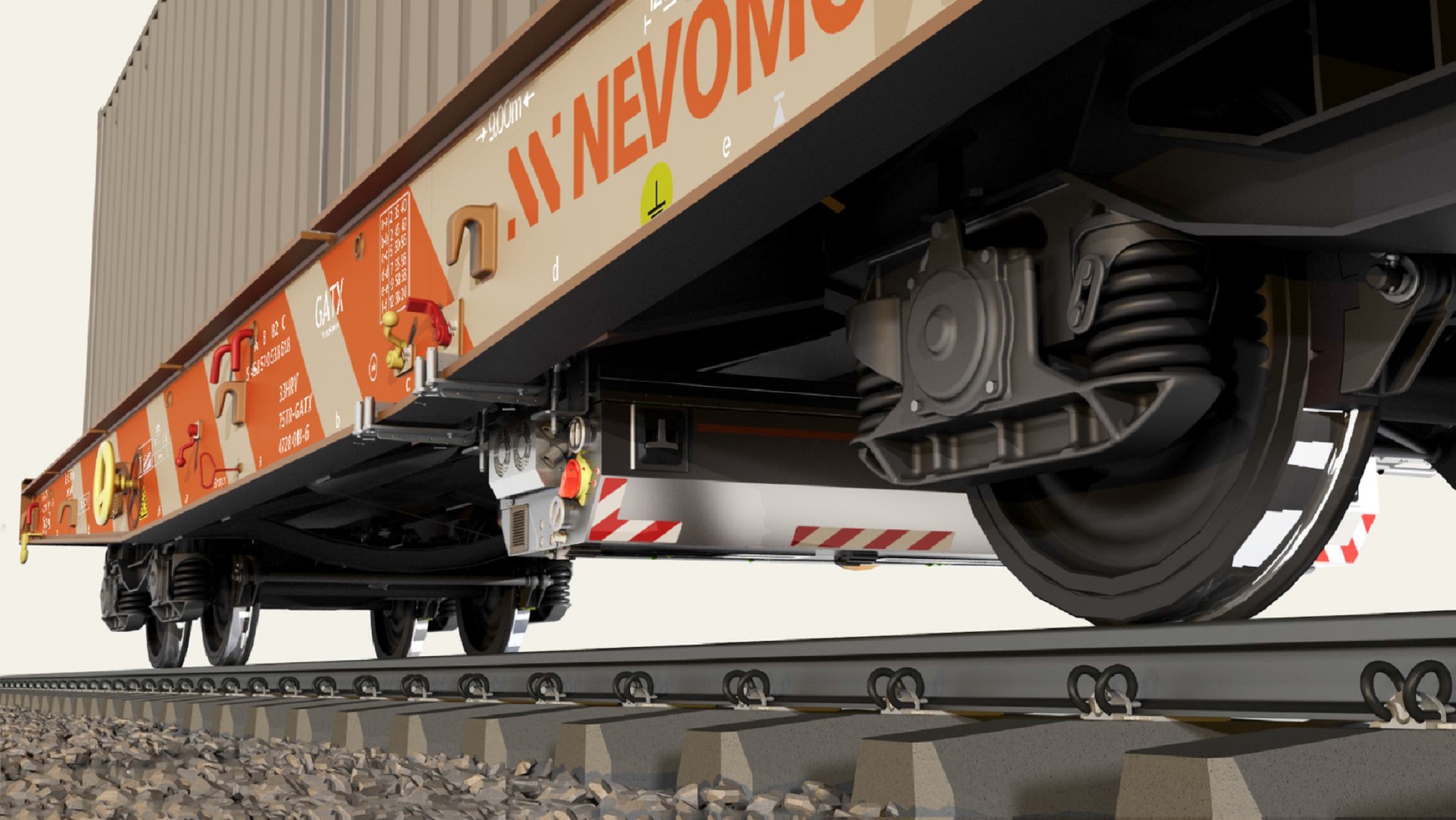
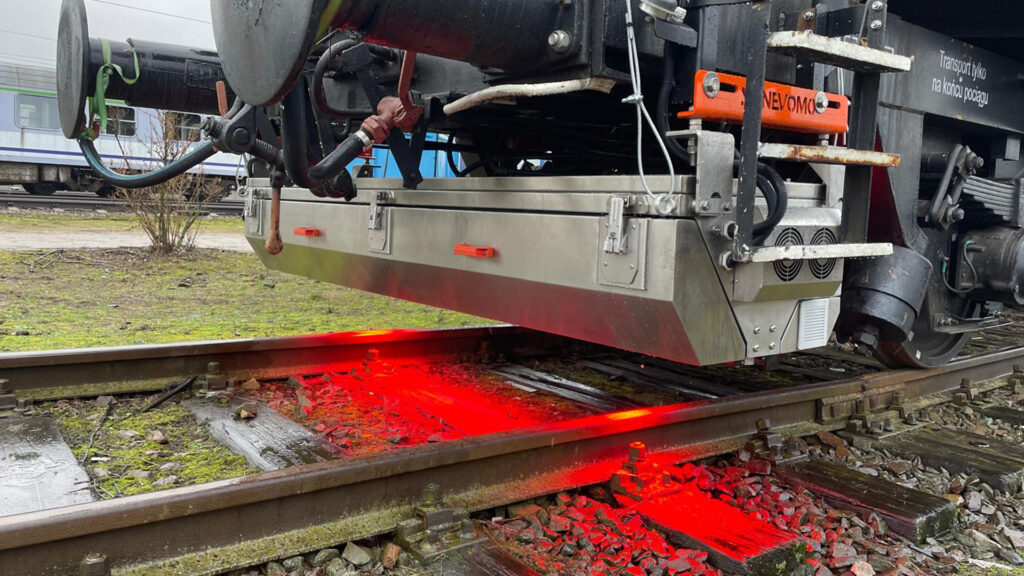
Created for infrastructure managers and maintenance entities, it has been designed to be easily installed on operational wagons, locomotives, or diagnostic vehicles. Automatically identifies more than 15 different types of defects on rolling surface, fastenings, sleepers and track bed, such as sleeper cracks, loss of ballast, which are impossible to detect using alternative non-manual assessment methods.
Approach
The system is able to acquire images and measurements from independent cameras and scanners for the complete inspection of the track infrastructure with speeds up to 120 kph. An advanced AI algorithm is processing the data recognizing the possible defects with a machine learning model based approach.
Supporting the maintenance processes for railways
Measurement automation
- performing track inspections using machine vision instead of manual inspections, significantly simplifying the planning and execution of rail infrastructure maintenance processes with less personel engagement
High inspection efficiency
- measuring up to 400 km of railway tracks per day (depending on the rolling stock used) – 40 times more than with manual inspection in the same time frame
Low system operating costs
- introducing an unprecedented business model that strongly relieves the customer of the personnel and monetary expenses associated with acquiring, maintaining, and operating the system
Digitization of expertise and data
- unification of expert knowledge while saving and storing the volatile expertise and replacing it with a digital memory, effecting in remarkably repeatable and reliable defect detection and evaluation with up to 96% accuracy
Ease of use
- dedicated streamlined application that allows interaction with the system for AI prediction refinement and generating digital reports on the condition of rail infrastructure from preset measurement sections
Modular design
- easily adaptable to different types of rolling stock and specific needs of the customer, allowing easy expansion of the system with new functionalities (extension of the analyzed area, creating digital twins, BIM, etc.)
Service availability
- provide reports from measurements of inspected infrastructure on customer demand in no more than one business day
Measured parameters and detected defects
Track condition inspection
- Rails
- Crack
- Chipping
- Head check (HCH)
- Squat
- Fracture
Fastenings
- Missing fastening
- Missing elements (e.g. screw bolt)
Wooden sleepers
- Wide crack
- Signs of wood rot
- Bevelling
- Lack of sleeper (significant degradation)
Concrete sleepers
- Crack
- Fracture
- Chipping
Ballast
- Completely covered sleeper
- Splashes on ballast
- Ballast level
Download Nevomo’s brochure here