
Archive
2023
19.12.2023 Nevomo engage PJ Motion and TÜV Rheinland to homologate and assess MagRail Booster: the world’s first retrofit solution for autonomous movement of rolling stock
- Market-ready MagRail Booster will mark a leap towards truly sustainable rail innovation
- Commercialization of MagRail Booster to start in 2024
- Independent assessment of MagRail Booster to be completed by TÜV Rheinland, with design contributions from PJ Motion
Nevomo, a leading European deep-tech company and the developer of the innovative MagRail technology, announces the rail industry’s much-anticipated transition from research, testing and development to the realm of product homologation and commercialization.
The strategic collaboration agreement concluded with TÜV Rheinland, an independent assessment provider and PJ Motion, a specialist for authorization management of track-bound vehicles, opens the door for the delivery to first-time customers of the pioneering MagRail Booster solution, developed to enhance existing rail services, enabling traffic automation and infrastructure electrification with greater flexibility, higher frequency of operations, greater capacity and increased dynamics.
In this joint project, TÜV Rheinland and PJ Motion play a key role in ensuring that Nevomo’s pioneering technology MagRail Booster complies with the state-of-the-art CENELEC norms for railway applications and CSM railway directive and that the MagRail Booster meets the industry’s safety standards.
‘The partnership is critical in demonstrating the role that TÜV Rheinland has in innovation and bringing new innovations to market. With our expert team, we are able to thoroughly assess the new MagRail Booster. We look forward to working with the teams at PJ Motion and Nevomo in this project. Cutting-edge technology and materials are key to improving performance of the rail systems and subsystems, and our certification can lead to the market fully adopting this new product with the trusted TÜV Rheinland seal of approval,’ said Lars Walther, Global Field Manager Rail for TÜV Rheinland.
‘PJ Motion is joining the project to use its extensive expertise to ensure that the design of the MagRail Booster meets the stringent requirements of the rail industry. From the beginning, PJ Motion ensures that the MagRail Booster fits into the operational and regulatory landscape of European rail transportation. Therefore, we work with a database-supported requirements management system from development through production to delivery. We are proud to be part of to this highly innovative project,‘ said Thomas Hofer, CEO of PJ Motion.
MagRail Booster, part of the MagRail product portfolio, is the world’s first retrofit solution for existing rail cars, featuring an electromagnetic propulsion with a linear motor that enables independent movement without a locomotive. Current tests on the Nevomo track in Nowa Sarzyna confirm its ability to revolutionise rail travel, with the retrofitted GATX wagons running smoothly on conventional railway infrastructure. These innovative wagons can operate autonomously, either in full trains or individually, and can automatically connect or disconnect with other wagons.
‘Our partnership with TÜV Rheinland and PJ Motion marks a next major step in Nevomo’s journey. As we move from research and development to commercialisation, this collaboration will ensure that MagRail Booster is not only an innovative product, but also a benchmark for safety, efficiency and reliability in rail transport. Adapting to this significant phase in the company’s journey, Nevomo is undergoing a series of strategic organizational adaptations aimed at reshaping the company’s structure to ensure effective management and operations in the realities of a changing environment. In this regard, Stefan Kirch, one of Nevomo’s co-founders, is turning from Chief Business Development Officer towards Chief Commercial Officer, kicking off the commercialization of Nevomo’s first market ready product. At the same time, two world-class experts are joining our Nevomo team: Harj Dhaliwal, who takes on the position of Chief Business and Capital Programmes Officer and Eliseo Auciello who has been appointed Chief Technology Officer,’ said Ben Paczek, CEO and Co-Founder of Nevomo.
In an era of increasing demand for efficient connectivity and a commitment to the protection of the environment, the deployment of breakthrough technologies such as Nevomo’s MagRail is not only important – it is critical. MagRail Booster not only promises a redefined future of rail transport, but also allows it to be upgraded quickly and efficiently, supporting the objectives of the European Green Deal. Once homologated and with the first commercial deployments, the MagRail Booster is ready to revolutionise rail transport, marking a new era of modern, efficient and sustainable rail solutions.
About TÜV Rheinland
TÜV Rheinland Rail is a truly international world leader providing first class services for the entire rail industry around the globe, with office locations at 40 cities in 20 countries. With a business track record of 50 years, our 430 experts are supporting clients in 25 languages. Companies within the TÜV Rheinland Group maintain the relevant Accreditations and several Notified / Assessment / Inspection / Certification Bodies. Clients are turnkey suppliers, system and component manufacturers, rail operators, leasing companies, investors, authorities and governmental organizations, and we are providing services in the business segments of Assessment / Certification and Consulting. TÜV Rheinland Rail serves the market segments of high speed and mainline transport, regional and urban transport, innovative solutions, automated transport systems, autonomous systems and artificial intelligence, as well as freight transport. For a first overview of our services please see Global Services for Railway Projects | TÜV Rheinland (tuv.com)
About PJ Motion
PJ Motion GmbH offers a comprehensive full-service package for the authorization of track-bound vehicles. The full-service package covers all steps of the approval process, from requirements identification and verification management to official submission and issuing of vehicle and vehicle type approval. PJ Motion is part of PJM, an internationally renowned railway system specialist which has successfully implemented projects in 30 countries on 6 continents. As an accredited test facility according to ISO/IEC 17025, PJ Messtechnik GmbH carries out approval tests of rail vehicles worldwide. PJ Monitoring GmbH is a technology leader in automated and digital rail freight transport, due to the overall system WaggonTracker.
19.09.2023 Nevomo unveils MagRail Booster at TRAKO International Railway Fair
Following Nevomo’s ground-breaking announcement in early September on successful tests proving the ability of railway vehicles to levitate on conventional railway lines using MagRail technology, the European deep-tech company is once again surprising the rail transport sector. Just two weeks after the event, Nevomo is displaying its pioneering MagRail Booster to the public for the first time at the TRAKO International Railway Fair.
MagRail Booster, part of the MagRail product portfolio, is the world’s first retrofit solution for existing rail cars that uses an electromagnetic propulsion with a linear motor and allows each wagon to move independently without a locomotive. It has been developed to improve existing rail services allowing traffic automation and infrastructure electrification with greater flexibility, higher frequency of operations, greater capacity, and enhanced dynamics.
With successful tests already underway on the Nevomo’s test track in Nowa Sarzyna, the capabilities of the MagRail Booster and its potential to revolutionize the rail industry are being confirmed. They demonstrated that wagons retrofitted with MagRail Booster can move on conventional railway infrastructure. The potential speed for freight transport can reach up to 160 km/h. In an unparalleled advancement, these retrofitted freight wagons can operate without the locomotive both in full trainsets and as individual units. Remarkably, they can autonomously connect and disconnect with other wagons. Guaranteeing secure and accurate operations, the conventional train control system ensures the smooth running of the wagons.
“The launch of MagRail Booster is the next significant milestone for Nevomo and the entire rail industry. By seamlessly upgrading existing railway infrastructure, our technology ensures a transformational approach to rail transport development. With MagRail Booster, we are innovating to enable railways to easily adapt and grow faster in rapidly evolving digital age, bringing measurable benefits to infrastructure managers, operators, and their customers. At the same time, I would like to thank GATX Rail Europe for its commitment to the development and testing of our technology, without which today’s success would not have been possible,’ said Kacper Koniarski, Product Management Director & Co-Founder of Nevomo.
With MagRail Booster, Nevomo addresses a gap in the railway industry. Its design, allowing individual wagons to operate independently without a locomotive, presents a transformational approach to enhance rail transport. The company has entered cooperations with SNCF, RFI, GATX and others to explore the potential of the MagRail Booster across their networks, for both passenger and freight transportation. In particular, the usage of MagRail Booster could leverage the capacity of Paris commuter railway network via higher acceleration and precise de-acceleration of the existing trainsets. The first commercial deployments of MagRail Booster technology are already planned for 2024-2025, starting with freight applications, e.g., in industrial facilities or harbors.
The unveiling of Nevomo’s MagRail Booster at the TRAKO International Railway Fair, the biggest industry fair in Central and Eastern Europe, is not just a product launch. It represents a vision for the future of rail transport – one where traditional rail systems seamlessly merge with the most innovative future-oriented solutions. MagRail Booster not only promises a redefined future of rail transport, but also allows it to be upgraded quickly and efficiently, supporting the objectives of the European Green Deal.
‘In the face of new transport challenges, Europe’s commitment to innovation, while valuing its rich railway heritage, will be the driving force behind creating a greener and more connected region. With the urgent need to tackle climate change and the demand for increased rail infrastructure capacity, MagRail Booster is a cornerstone in the renaissance of rail in Europe,’ said Stefan Kirch, Chief Business Development Officer and Co-Founder of Nevomo.
The introduction of MagRail marks a significant turning point in Europe’s journey toward sustainable mobility. At the crossroads of modernization, environmental commitment, and the quest for efficient connectivity, embracing groundbreaking technologies like Nevomo’s MagRail is not just important – it’s essential. Its success will be measured not only by its technological progress but by the collective effort of European stakeholders – from policymakers to engineers – unifying behind a shared transportation vision.
See the video on YouTube: First full-scale tests of MagRail Booster by Nevomo
17.09.2023 Sustainable future for European Transport with MagRail
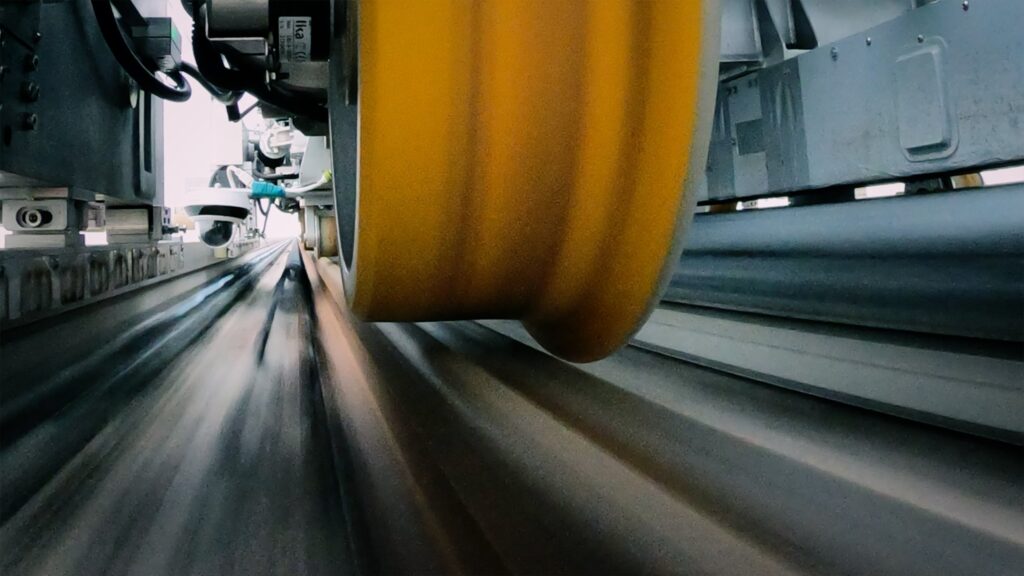
As societies face the pressing challenges of the climate crisis the introduction of MagRail – an innovative upgrade of existing railways with magnetic levitation component and top speed as high as 550 kph – could not be timelier. The demand for sustainable transportation that does not compromise on mobility is growing, and it is expected that it might double over the next 30 years. While rail is recognized as one of the most sustainable mass transportation modes, its current speed limitations of approximately 300 km/h make it less competitive for distances beyond 1,000 kilometres, creating a significant market gap.
Though, the gap, which today can be served only by regional aviation, is one of the biggest contributors to CO2 footprint in transport sector. Very High Speed (VHS) and Ultra-High Speed (UHS) mobility such as MagRail can give competitive answer. But not only EU is interested in UHS: China is advancing fast with their next-gen maglev designed for speeds up to 600 kph. However, unlike the technology from China, which offers an alternative to rail transport and requires the construction of a separate rail infrastructure, European startup Nevomo, has just recorded a breakthrough achievement, proving the stable levitation of its technology on classic rail infrastructure.
The introduction of Nevomo’s MagRail technology fills this gap, offering a next-generation, zero-emission transportation solution to double rail capacity, halve travel times, and significantly reduce greenhouse emissions from regional aviation. Finally, it makes mass transportation not only highly sustainable but also competitive at distances of 1,000 to 3,000 kilometres, allowing one-day trips within entire EU without air transport. MagRail has the potential to redefine the European rail landscape, addressing the urgent need for network expansion and increased efficiency. And although Europe already has a fairly dense rail network, it lacks capacity and traffic flexibility.
A week ago, in the presence of representatives of the European Parliament, European Commission, EU railway institutions, industry experts, and media from around the world, Nevomo, a leading European deep-tech company with Polish roots and the developer of the innovative, hyperloop-inspired MagRail technology, has presented a groundbreaking achievement that marks a turning point for the railway industry. Successfully performed tests have proven that railway vehicles could levitate on conventional railway lines. This world-first accomplishment has the potential to revolutionize rail transport, seamlessly merging the traditional rail systems with the future vision of ultra-high-speed solutions like the hyperloop.
Unlike other magnetic rail systems, MagRail is interoperable with conventional rail, solving the challenges of no access to key locations like city centres, and the inability to create a coherent network of connections. This feature makes MagRail the one-of-a-kind, scalable and future-proof transport solution. “We see MagRail as the catalyst to transform Europe’s mobility landscape, offering unparalleled connectivity and a sustainable way forward for the continent. As we navigate the challenges of our time, from congestion to emissions, MagRail stands out as the beacon, showing us the path to a revolutionary yet evolutionary upgrade for our railway networks, making them the quintessential mode of 21st-century transportation” – said Przemek Ben Pączek, CEO of Nevomo.
MagRail changes how we think about the rail travel experience. Instead of running on fixed timetables, MagRail trains will be available to passengers in variable capacity, constantly adapting to the current demand in stations, similarly to metro systems – but for inter-city trips. Using Nevomo’s technology, wagons would be able to move on their own and simply adjust the number of carriages per train “on the fly”. For that, upgrading selected sections or entire railway lines would be sufficient, eliminating the need to build entirely new transport infrastructure.
Bringing the Europeans together with HSR and UHS for further economic growth
The rise of Nevomo’s MagRail technology hasn’t only generated excitement among transport experts and industry insiders but has also piqued the interest of the European Parliament, signalling a potentially transformative moment in European transportation. As countries grapple with the dual imperatives of ensuring sustainability and improving connectivity, MagRail’s innovation presents a timely answer. Its benefits in cost, environmental impact, and adaptability make it a compelling choice.
Dutch MEP Dorien Rookmaker, during a recent presentation by Nevomo, highlighted the importance of such innovations in Europe. She emphasized the urgency of investing in transportation infrastructure as a pathway to greater economic growth, social inclusivity, and environmental responsibility. In her opinion, MagRail is more than just a tech innovation; it’s a catalyst for a paradigm shift in how politicians view their role in society and the rail sector.
Rookmaker’s support is rooted in her belief that politicians should be „enablers for society instead of regulators.” This idea underscores the importance of prioritizing the end customer, be it passengers or freight. She also stressed the need for unity and forward-thinking among various stakeholders in the rail industry, urging them to look beyond their individual interests and consider the larger European context.
„I think if politicians put their attention to the more positive side of making policies by investing, this will enhance the prosperity of the whole continent. For instance, if you bring the Europeans together with High-Speed Rail connections, you will create a lot more economic growth. I think rail is a really good equalizer because everybody can use it. And when I see this new innovation here, I’m getting more and more excited.” – she said.
Innovation through Integration: Europe’s Railway Vision
European railways are currently at a juncture of transformation, and Ny Tiana Tournier, the Innovation and Technology Coordinator at the European Union Agency for Railways (ERA), emphasizes the importance of innovations that harmoniously integrate with the existing railway system. The new technology by Nevomo stands out as it represents a „brownfield innovation”. This essentially means that it doesn’t aim to overhaul the system but rather works within the constraints of the existing infrastructure. As Ms. Tournier aptly put it, „It means it takes into account the existing railway system. We know that for real, its strength, but also its constraint, is the existing legacy system.”
Railways in Europe are characterized by an intricate web of stakeholders, each with unique roles, responsibilities, and interests. The challenge lies not just in the technicalities but also in synchronizing these varied interests and navigating the operational complexities that come with retrofitting innovations. As Tournier elaborated, „In railways, it’s an open shared system with many actors having different roles, responsibilities, and interests. There is a need to engage all those stakeholders together.” The roadmap for integrating Nevomo’s technology involves a multi-faceted approach, from the retrofit of the existing line to testing in real conditions and scaling up the solution.
Embracing MagRail and the Challenges Ahead
With the unveiling of Nevomo’s MagRail technology and its potential to redefine transportation, stakeholders within the industry are keenly weighing in on its feasibility and impact. As Europe strives for sustainable solutions to its transportation challenges, there is a rising emphasis on adapting new technologies in the rail sector. The experience of traditional high-speed rails, such as the one between Berlin and Munich, has demonstrated that rail can indeed shift transportation paradigms. However, Ultra-High Speed (UHS) mobility which MagRail promises to champion, bring their own set of unique challenges.
Prof. Dr. Dirk Rompf, with his extensive industry background and experience in overseeing high-speed projects, provides valuable insights into these challenges. As ex-McKinsey leader of transport practice and a former board member of DB Netz, he speaks from a vantage point of having witnessed firsthand the transformational potential of rail projects. However, he’s also acutely aware of the hurdles the sector has to grapple with, especially when it comes to novel technologies.
Dr. Rompf explains: „High-speed rail can really have an impact, and this is an experience that we had all across Europe. The railway sector is not known for being extremely innovation-friendly, so it’s a challenge how much time we will take to homologate, especially since we are talking about cross-border traffic. But we need to convince vehicle OEMs to equip their vehicles with the new technology, and on the other hand, it’s about an infrastructure manager to partner with.”
But MagRail is not just about levitating passenger train technology. In its 'Booster’ version, using an electromagnetic drive with a linear motor, MagRail offers a transformational retrofit solution for existing railcars, allowing for increased rail transport efficiency and capacity. Its design allows individual wagons to operate independently without a locomotive, heralding a transformational approach to improving rail transport. With major European railways actively evaluating its applications, the technology promises to redefine the future of freight transport.
“I would personally start with introducing the railway Booster on short stretches and make sure that people see that this technology offers higher capacity and higher flexibility than the conventional rail would do, and this can happen in the course of the century” – added Prof. Rompf.
The introduction of MagRail marks a significant turning point in Europe’s journey toward sustainable mobility. In the crossroads of modernization, environmental commitment, and the quest for efficient connectivity, embracing groundbreaking technologies like Nevomo’s MagRail is not just important—it’s essential. Its success will be measured not only by its technological prowess but by the collective effort of European stakeholders—from policymakers to engineers—unifying behind a shared transportation vision. In the face of new challenges, Europe’s commitment to innovation, while valuing its rich railway heritage, will be the driving force behind creating a greener, more interconnected future. The keen interest of the European Parliament underlines the importance of such technologies, signalling that Ultra-High Speed mobility solutions like like MagRail and similar innovations are at the heart of the evolution of transport in Europe. With the urgent need to tackle climate change and the demand for improved rail infrastructure, MagRail is a cornerstone in the renaissance of rail in Europe.
06.09.2023 Nevomo performs the world’s first-ever successful tests to confirm trains’ ability to levitate on existing railway infrastructure
Nevomo, a leading European deep-tech company with Polish roots and the developer of the innovative, hyperloop-inspired MagRail technology, unveils a groundbreaking achievement that marks a turning point for the railway industry. Successfully performed tests have proven that railway vehicles could levitate on conventional railway lines. This world-first accomplishment has the potential to revolutionize rail transport, seamlessly merging the traditional rail systems with the future vision of ultra high-speed solutions like the hyperloop.
MagRail tests confirmed that railway vehicles can operate on existing railway infrastructure without any friction. During trials on a more than 700-metre-long section of Nevomo test track in Nowa Sarzyna, Poland, MagRail vehicles reached a speed of 135 km/h demonstrating stable levitation and magnetic guidance on rail infrastructure. The 6-metre-long vehicle weighing 2 tons began levitating at just over 70 km/h, and it went from 0 to 100 km/h in 11 seconds. Ultimately, the high-speed passenger MagRail trains are expected to run up to 550 km/h on railway lines, significantly reducing travel times.
“Today marks a landmark moment in Nevomo’s development. For the first time in railway history, a rail vehicle moved not on the existing tracks, but over them, without friction. It shows that our MagRail technology is not just a vision for the future; it is a tangible solution for today. A solution for a greener, more connected Europe. By leveraging existing infrastructure, we offer a cost-effective and environmentally friendly approach to modernizing rail transport, in line with the European Green Deal’s objectives,” says Przemek Ben Paczek, CEO and Co-Founder of Nevomo.
After 3.5 years of research and testing, Nevomo has thus demonstrated that it is possible to retrofit existing rail infrastructure with linear motor and magnetic levitation devices, hence combining the reliability of traditional rail systems with the potential of transformative technologies like Maglev and hyperloop.
“The successful tests are the result of the knowledge and hard work of dozens of our engineers and experts. And this is just the beginning. We already collaborate with industry giants, including Rete Ferroviaria Italiana, SNCF, Duisport, and GATX to define various applications for MagRail, and these successful tests are paving the way for pre-commercial operational pilots,” says Sebastian Kaluza, Product Development Director at Nevomo.
MagRail changes the way in which we think about the rail travel experience. Instead of running on fixed timetables, MagRail trains will be available to passengers in variable capacity, constantly adapting to current demand in stations, similarly to metro systems – but for inter-city trips. Using Nevomo’s technology, wagons would be able to move on their own and simply adjust the number of carriages per train “on the fly”. For that, upgrading selected sections or entire railway lines would be sufficient, eliminating the need to build entirely new transport infrastructure.
The construction of Europe’s longest passive magnetic levitation test track, on which Nevomo has conducted successful tests, was co-financed by the European Union’s European Regional Development Fund under the Intelligent Development Programme. The project is being implemented as part of the “Fast Track” programme of the National Centre for Research and Development.
Nevomo will continue the research and the development of MagRail not only for levitation, but also for further exploration of different applications of the technology to improve efficiency and capacity for rail transportation and finally to start commercializing the first version of MagRail for freight transport in 2024.
To date, for the development of the MagRail technology and its testing, Nevomo has raised €11m of funding (comprising €5.5m equity and €5.5m non-dilutive EU grants). Additionally, last year the company was awarded €17.5m from the European Commission (EIC Accelerator: €2.5m grant and €15m equity). Funds are also being raised for a Pre-Series A round of €7m. Nevomo’s key investors include EIT InnoEnergy and Hütter Private Equity.
31.08.2023 MagRail World Premiere: Sustainable future for European transport: levitating MagRail trains on existing railway lines
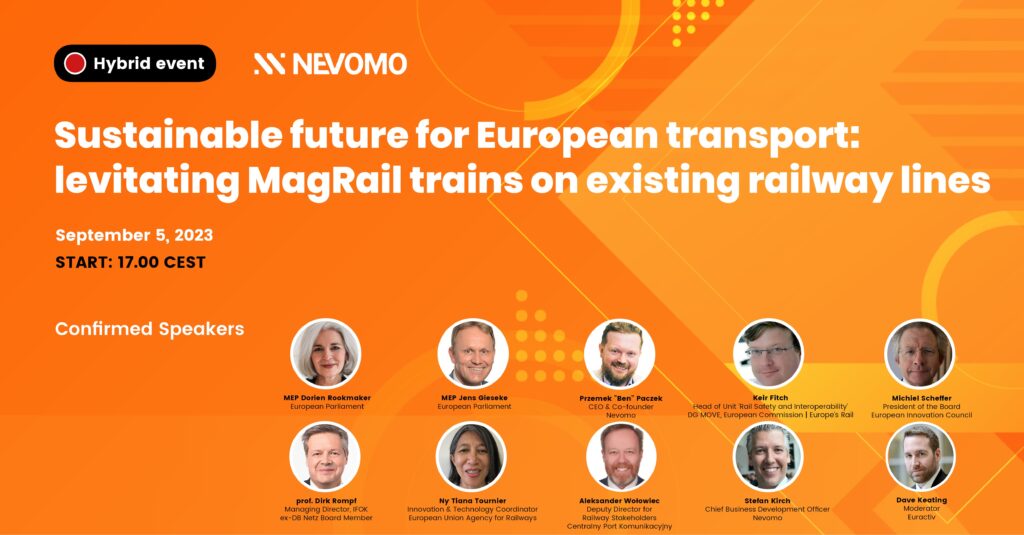
We are pleased to invite you to join Nevomo’s unveiling event of its successful levitation tests in Europe!
Nevomo is a European deep-tech company, the developer of the next generation of high-speed rails. As a leading player in the area of innovation in the sustainable and intelligent mobility industry, the company has developed the globally unique MagRail technology, allowing significant improvements of the efficiency of existing rail transportation systems and taking it to the next level.
Nevomo has achieved a technological breakthrough by accomplishing unprecedented levitation tests on conventional railway infrastructure using its revolutionary MagRail technology.
This accomplishment is an important step towards achieving Nevomo’s goal of upgrading existing railway infrastructure to speeds of 550 km/h at a very competitive cost. MagRail will reimagine how people travel and will help off-set CO2 emissions of the transportation industry.
02.08.2023 MagRail Booster – a new solution to retrofit rail cars for greater efficiency and transportation flexibility
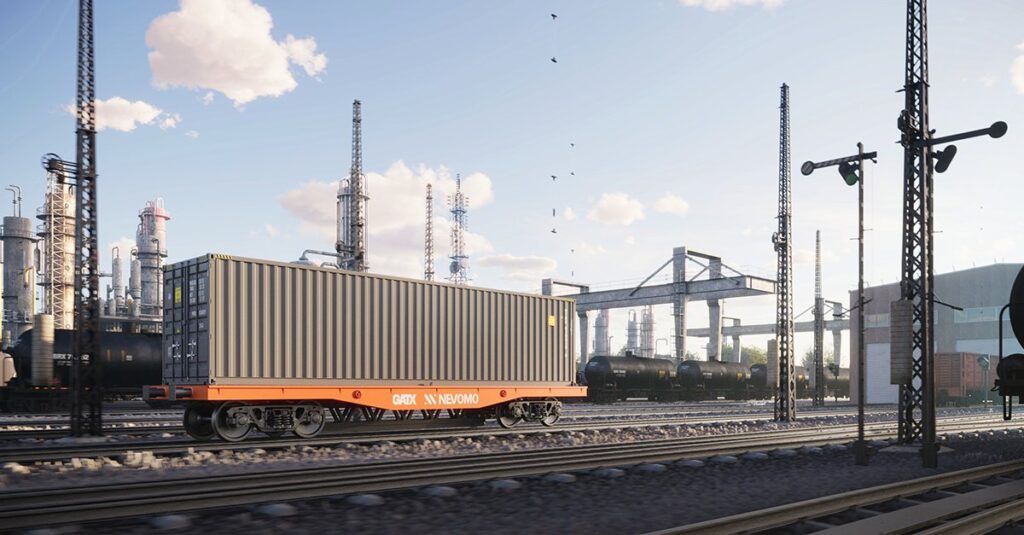
MagRail Booster is part of the MagRail product portfolio and allows for a quick retrofit of existing rail cars with linear motor propulsion. Other MagRail products, dedicated both to freight and passenger transport, require new vehicles.
MagRail was designed to easily, quickly and cost-effectively extend the capacity of existing railway lines and increase efficiency in rail transport. The MagRail Booster has been developed to improve existing rail services allowing traffic automation and infrastructure electrification with higher flexibility, greater capacity, and enhanced dynamics.
Potential applications of MagRail Booster with retrofitted rolling stock for freight are currently being evaluated by major European railways, e.g. on increasing loading limits on inclines or quicker re-acceleration of freight trains after being passed by faster passenger trains. Moreover, MagRail Booster allows railway traffic in non-electrified tunnels and under low-clearance bridges. It is an excellent solution that allows railway operators and infrastructure managers to improve their daily business.
Nevomo’s MagRail Booster technology addresses the freight and logistics transport challenges faced by railway operators, terminal operators, and rail infrastructure managers. One key advantage of this system is that single Booster wagons can operate independently without being connected to the locomotive. This opens up possibilities for new applications in which wagons can be organized into small groups instead of full trainsets. This feature is particularly useful in “last mile” areas, such as cargo terminals and industrial facilities, where a high degree of flexibility and movement automation is highly desirable.
09.07.2023 The MaDe4Rail project dedicated to innovative solutions for rail networks kicks off
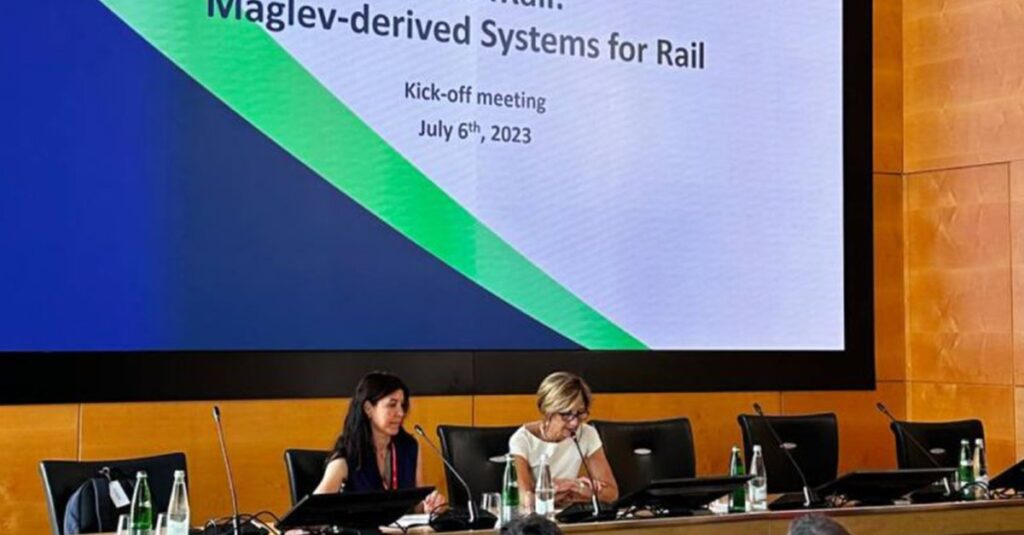
On 6 July 2023, the kick-off meeting of MaDe4Rail – the R&I project dedicated to pioneering solutions for magnetic and pneumatic levitation applied to railway infrastructure – was held in the Ferrovie dello Stato Italiane headquarters in Rome/Italy.
MaDe4Rail, is a project launched under the second 2022 call of Europe’s Rail, the institutionalized European Research and Innovation Partnership co-funded by the European Commission.
At Nevomo, we are very happy to be part of MaDe4Rail – Maglev-derived Systems for Rail. A project of Europe’s Rail Joint Undertaking (ER JU), the public-private partnership between the #EU and the railway sector with the aim of supporting the development of a globally competitive European railway industry.
Within 12 months, MaDe4Rail aims to research how to overcome the current limitations of the railway system and enable even faster, more efficient and sustainable travel through innovative, high-speed transport systems based on magnetic levitation, as an integrated part of a future railway system.
The project aims also to integrate Maglev-derived Systems into the European transport system. It has a duration of 12 months and a budget of 2.56 million euro, of which 1.5 million euro is co-financed by the European Commission. The project commenced last 30 June with the signing of the Grant Agreement and shall be developed in collaboration with the 16 European partners, counting railway operators, engineering companies, technology developers, universities and research centres, from eight European countries.
08.05.2023 Nevomo enters partnership with GATX Rail Europe and introduces MagRail Booster
Nevomo, a European deep-tech company and the developer of an innovative, hyperloop-inspired MagRail technology, and GATX Rail Europe, a leading, full-service railcar lessor, are entering into a partnership to enhance railways using most innovative technologies for the rail freight. As part of the joint development of the new MagRail system capabilities, the newly introduced Booster components, being a part of the already known MagRail system, will be installed on conventional freight wagons supplied by GATX Rail Europe and then tested on rail infrastructure equipped with the system’s trackside devices.
MagRail Booster is part of the MagRail product portfolio and allows for a quick retrofit of existing rail cars with linear motor propulsion. Other MagRail products, dedicated both to freight and passenger transport, require new vehicles. The cooperation between the companies will allow for testing on Nevomo’s test track in Nowa Sarzyna using conventional freight wagons and further development of the new functionality of the MagRail system.
“The attractiveness of Nevomo’s MagRail Booster technology is an opportunity to upgrade existing railways, both in terms of the infrastructure and the rolling stock. This will enable railways to grow faster, grow their capacity, which is urgently needed for sustainable and performant logistics, but at the same time to remain compatible and interoperable with the current operations.”, says Jörg Nowaczyk, Chief Commercial Officer at GATX Rail Europe.
MagRail was designed to easily, quickly and cost-effectively extend the capacity of existing railway lines and increase efficiency in rail transport. The MagRail Booster has been developed to improve existing rail services allowing traffic automation and infrastructure electrification with higher flexibility, greater capacity, and enhanced dynamics. Potential applications of MagRail Booster with retrofitted rolling stock for freight are currently being evaluated by major European railways, e.g. on increasing loading limits on inclines or quicker re-acceleration of freight trains after being passed by faster passenger trains. Moreover, MagRail Booster allows railway traffic in non-electrified tunnels and under low-clearance bridges. It is an excellent solution that allows railway operators and infrastructure managers to improve their daily business.
Nevomo’s MagRail Booster technology addresses the freight and logistics transport challenges faced by railway operators, terminal operators, and rail infrastructure managers. One key advantage of this system is that single Booster wagons can operate independently without being connected to the locomotive. This opens up possibilities for new applications in which wagons can be organized into small groups instead of full trainsets. This feature is particularly useful in “last mile” areas, such as cargo terminals and industrial facilities, where a high degree of flexibility and movement automation is highly desirable.
“We are very proud to have GATX – one of the leading railcar lessors in Europe – as our partner for developing and testing the MagRail Booster technology. The first retrofits are already ongoing, and we will see the first fully electrified and automatic GATX MagRail Booster wagon on our test track this year. At Nevomo, we are constantly monitoring the market situation and try to meet the needs of customers by adjusting our products. This is how the MagRail Booster was born”, says Stefan Kirch, Chief Business Development Officer at Nevomo.
Both companies are committed to taking rail transport to a whole new dimension by combining proven solutions, used in rail transportation, with state-of-the-art technologies, inspired by the hyperloop. The technology created by Nevomo is the missing link between the existing railway infrastructure and the brand-new digital railway systems. Its rapid, successful deployment and use on Europe’s rail network will not only bring significant benefits to operators and rail infrastructure managers but will support the European Green Deal’s objectives and modernizing rail transport, which remains a priority for the European Union.
Nevomo’s MagRail technology has already been highly appreciated by major players in the European railway industry, which has been confirmed by several agreements signed, including Rete Ferroviaria Italiana, duisport, and SNCF. The first 1:5 demo version of MagRail Nevomo was presented in 2019. Successful mid-size tests were conducted in December 2020. Last year, Nevomo completed the construction of the full-scale test track in Nowa Sarzyna in Poland, which is Europe’s longest track for testing passive magnetic levitation. The first tests already began and will be now extended to the MagRail Booster tests with the conventional freight wagons on MagRail infrastructure.
Magail Booster video
https://www.youtube.com/watch?v=VWCBrC4Y4sU
About GATX Rail Europe
GATX Rail Europe is a leading, full-service railcar lessor offering a high-quality and diversified fleet to over 20 European countries. With an experienced, service-oriented team, GATX is focused on making railcar leasing and rail transport simple, efficient, and seamless. The Company believes in its customer focused model, delivers quick solutions and allows customers to focus on their core business. More than 240 customers across various industries utilize GATX Rail Europe’s more than 28 000 tank and freight railcars, resulting in an efficient, environmentally friendly, safe, and cost competitive solution relative to other transport modes. The Company has strategically located offices across Europe for localized customer support, a state-of-the-art full-service maintenance and railcar assembly workshop in Poland, and long-standing relationships with numerous third-party maintenance workshops and railcar suppliers across the continent. GATX Rail Europe’s headquarters are located in Vienna, Austria and the Company is part of GATX Corporation, a 120+ year railcar lessor traded on the New York Stock Exchange (NYSE ticker: GATX).
10.03.2023 France's national railway company SNCF and Nevomo sign a cooperation agreement in Paris
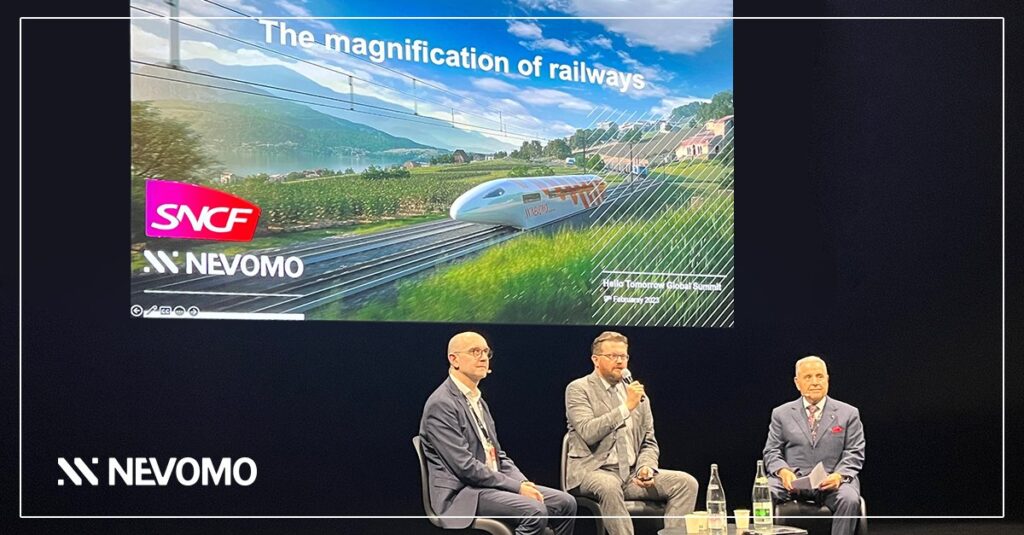
Nevomo, a European deep-tech company and France’s national state-owned railway company SNCF, have signed a Memorandum of Understanding (MoU) to evaluate the benefits of MagRail within French railway network to increase the efficiency and capacity in passenger and freight transport and therefore support SNCF’s strategy.
“We have noticed the high technicality of Nevomo and consider that the proposed technologies are likely to advance the railway. We are therefore pleased to sign this MoU, which will cover three areas: increasing the performance of current freight trains for higher loading limits and more capacity on our freight lines, boosting the capacity on congested urban passenger lines, and evaluating MagRail as an alternative propulsion system for rural lines in combination with lightweight vehicles”, says Luc Laroche, Innovation director at SNCF.
“On the research side, this MoU is part of the collaborative actions that we carry out with innovative ecosystems to feed our scientific watch and allow us to identify emerging technologies to explore for the railways of the future.”, says David De Almeida, director for Research at SNCF.
Nevomo introduces MagRail technology to existing rail infrastructure, allowing its cost-effective upgrade, thus enabling rail to become the preferred green, fast, efficient, and interoperable mode of transport of the 21st century. MagRail allows gradual improvements to existing networks and is a major technological breakthrough allowing railways to finally significantly increase their market share and reduce CO2 emissions in transport.
“We are very proud to become the partner of SNCF, the innovation leader of European railways. Being able to announce the cooperation publicly in Paris at the “Hello Tomorrow Global Summit” together with our Partner SNCF, is undoubtedly the best confirmation of the credibility of our technology we can get from the market and a confirmation of the huge need for this type of mobility solution. We are very excited to collaborate and evaluate the chosen applications to support SNCF’s goals.” underlines, Przemek Ben Paczek, CEO and Co-founder of Nevomo.
MagRail technology was developed in order to extend the capacity and enhance the capability of existing railway lines, as well as improve the efficiency of the rail transportation system. MagRail provides the possibility to operate electric vehicles in non-electrified areas, such as terminals and ports. The MagRail system can be integrated into existing rail systems. As a result, the traditional rail transportation system can gain better freight dynamics, higher loading limits, greater flexibility, and the ability to run trains automatically without the need to build new lines, without catenary, and without human error.
Nevomo’s MagRail technology has already been highly appreciated by major players in the European railway industry, which has been confirmed by several agreements already signed including Rete Ferroviaria Italiana and the Port of Duisburg – the world’s largest inland port.
The first 1:5 demo version of MagRail Nevomo was presented in 2019. Successful mid-size tests were conducted in December 2020. Last year, Nevomo completed the construction of the full-scale test track in Nowa Sarzyna in Poland, which is Europe’s longest track for testing passive magnetic levitation.
About Nevomo
Nevomo is a European deep-tech company and the developer of the next generation of high-speed rails. As a leading player in the area of innovation in the sustainable and intelligent mobility industry, the company has developed the globally unique MagRail technology, allowing significant improvements in the efficiency of existing rail transportation systems. Nevomo proposes a phased implementation of transportation systems, inspired by the hyperloop concept, by upgrading railway lines. By equipping existing infrastructure with magnetic levitation and linear motor, the company intends to take railway transport to a whole new dimension of travel with speeds of up to 550 kph.
About SNCF
SNCF Group is a global leader in passenger and freight transport services, including management of the French rail network. Its revenue totalled €41.4 billion in 2022, with international markets accounting for nearly 40%. The Group does business in 120 countries and has 276,000 employees, with over half in its core rail business and nearly 210,000 working in France. The Group consists of a parent (SNCF Holding) and five subsidiaries: SNCF Réseau (management, operation and maintenance of the French rail network, plus railway engineering) with its own subsidiary SNCF Gares & Connexions (station design, management and development); SNCF Voyageurs and its subsidiaries Transilien (mass transit in the Paris region), TER (regional rail) and Intercités, TGV INOUI, OUIGO (long-distance rail), Eurostar-Thalys, Alleo and Lyria (international rail), and SNCF Connect (distribution); Keolis (a global operator of urban, suburban and regional mass transit systems); Rail Logistics Europe (rail freight); and Geodis (freight transport and logistics solutions). SNCF Group works closely with customers—passengers, local authorities, shippers and railway operators using SNCF Réseau services—and with local communities, building on its expertise in all aspects of rail and all types of transport, and working towards a dynamic, caring, sustainable society. Learn more at sncf.com.
08.02.2023 Hyperloop Companies Join Forces to Launch the First International Hyperloop Association
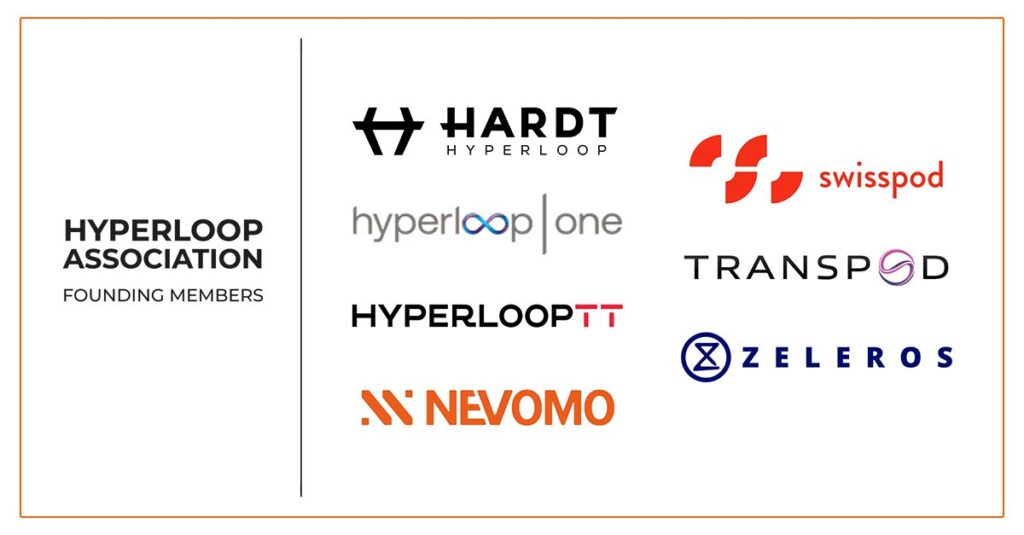
Hyperloop pioneering companies Hardt, Hyperloop One, Hyperloop Transportation Technologies, Nevomo, TransPod, Swisspod Technologies, and Zeleros joined forces to form “The Hyperloop Association”, the first global association within the hyperloop industry. The constitutive act of the association was signed on December 14, 2022, by the seven initiating companies. The royal decree establishing the association is expected in the next weeks, followed by an official announcement of the association.
Hyperloop is a new, high-speed transportation system consisting of an autonomous, fully-electric pod levitating and traveling at high speeds in a low-pressure environment. Hyperloop will significantly cut journey times of passengers and cargo between cities and countries and will be more energy efficient and sustainable than any current mode of mass transportation.
The Hyperloop Association aims to stimulate the development and growth of this emerging new transportation market, participate and support institutes in collaborating with government and regulatory agencies on transportation policymaking. Acting as a united entity representing the hyperloop industry, the newly formed association’s main goals will be to:
- Serve as the point of entry for the sector, positioning itself as the go-to organization for all hyperloop-related matters;
- Represent, advocate for, elevate and defend its members’ interests in all hyperloop endeavors;
- Leverage its expertise to provide guidance and insights to decision-makers and stakeholders on hyperloop and associated topics.
Based in Brussels, the Hyperloop Association will work closely with the European Commission, the European Parliament, Europe`s Rail Joint Undertaking, industry value chain stakeholders, research centers, and academia to advance the progress and facilitate the widespread implementation of the innovative transportation system across Europe and globally.
The Hyperloop Association will be represented by Ben Paczek, CEO and co-founder of Nevomo, who was elected as the inaugural President of the organization.
In a statement on the association’s next steps, Mr. Paczek said: “In the upcoming months, we expect major developments in the hyperloop space. The European Commission will initiate the work on the hyperloop regulatory framework which is a significant milestone for the industry, not just in Europe but worldwide. The Hyperloop Association is looking forward to collaborating with European and international institutions, as well as industry stakeholders on this landmark occasion and showcasing hyperloop technologies as a feasible cutting-edge, safe, and environmentally sustainable mobility solution of tomorrow”.
The Hyperloop Association welcomes corporations, public and private entities, and non-profit organizations that play a role in the hyperloop industry’s value chain to join as members. Its founding members aim to promote inclusiveness and strong collaboration among industry experts, research and development entities, and academia.
17.01.2023 Design and manufacture of the shock absorbers for the MagRail system
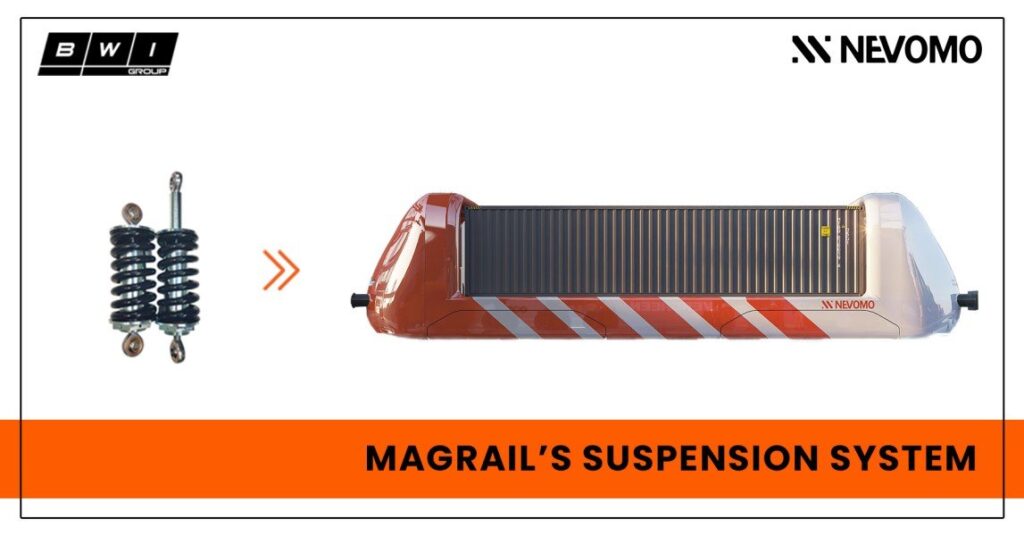
We are very pleased to announce that BWI GROUP, a supplier of suspension systems to the world’s leading vehicle producers (BMW, Ford, Porsche, Audi, Volvo, etc.), has undertaken the design and manufacture of the shock absorbers for our full-scale #MagRail vehicle.
„The unusual nature of the requirements and the specific design of the shock absorber as their result was a reason why BWI Group was one of the few companies willing to complete this order. Finally, it was agreed that the subject of the order would be 28 shock absorbers appearing in 4 options – differing in parameters, dimensions and target operating position.” – says Alexander Hernik, R&D Manager at Nevomo.
Compared to the projects carried out for the automotive industry, it was a small series, so the Technical Center in Balice (Poland) acted also as a manufacturer. Having a very well-equipped model shop and laboratories, the company designed, fabricated and tested our shock absorbers, which was a great convenience for us.
„The opportunity to design suspension components for a novel drive solution in railroads sector was an interesting challenge for BWI Group, especially since the specifications of magnetic train suspension differ from the technical solutions usually applied in passenger car suspensions.” – says Roman Bielak, Manager of the New Technology Development Department at BWI Group. „The very high damping forces at low speeds and high precision of the damper’s stroke challenged the design team assigned to that interesting project. In order to meet those demands, a completely new valve system was created, as well as an innovative shock absorber design that allows the generation of high damping forces (in a single-tube design) without the need for very high cavitation protection pressures.”
The MagRail vehicle with the new suspension is placed in Nowa Sarzyna on Europe’s longest full-scale passive magnetic levitation test track.
2022
16.11.2022 'The Biggest Market Potential Award' for Nevomo
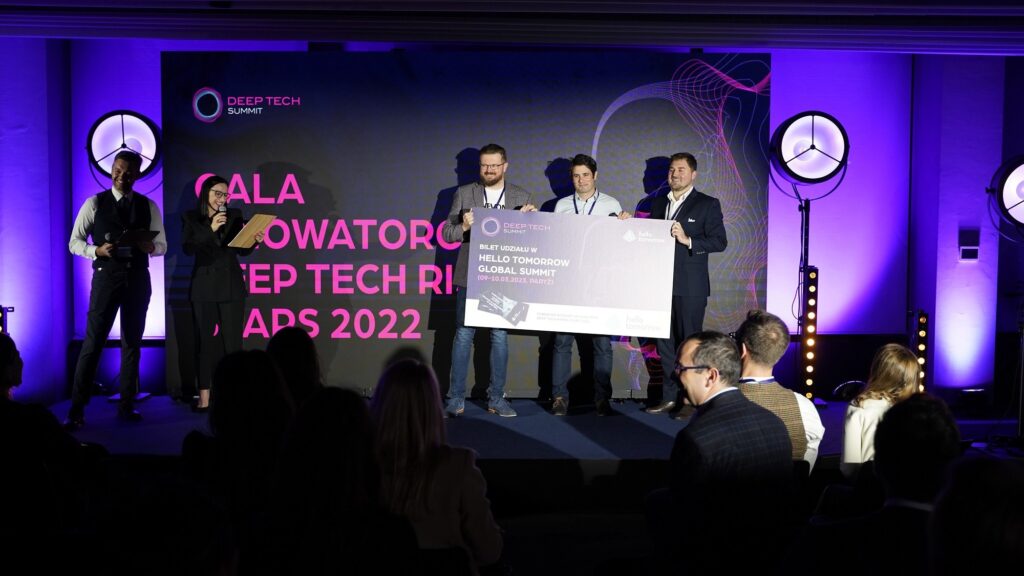
Nevomo received the Biggest Market Potential Award at the Deep Tech Summit in Warsaw. It was presented by Arnaud de la Tour – CEO of Hello Tomorrow the strongest deep tech ecosystem globally, of which Deep Tech Summit is a partner, and Sławomir Olejnik – CEO of Fundacja Polska Innowacyjna. Moreover, Nevomo received an additional award from the legal firm LAWMORE and its Managing Partner Paula Pul.
We concluded the conference with a festive afterparty at Fijewski Gallery in the Powiśle Power Plant in Warsaw surrounded by exceptional works by Polish-American artist Boleslaw Ryzinski.
02.11.2022 EIT InnoEnergy invests in nevomo to support the development of the next generation of high-speed railways
EIT InnoEnergy, the innovation engine for sustainable energy across Europe, has invested in Nevomo, a European deep-tech company developing the next generation of high-speed rails, to accelerate the rollout of its hyperloop-inspired MagRail technology. Used to upgrade existing railway infrastructure this proprietary solution combines magnetic levitation and linear motor enabling speeds of up to 550 kph. EIT InnoEnergy’s investment is part of a €5 million bridge round with Hutter Private Equity, ValueTech Seed, and Seedrs which was concluded earlier this year. EIT InnoEnergy is supported by the European Institute of Innovation & Technology (EIT), a body of the European Union.
Lucienne Krosse, responsible for the hyperloop portfolio at EIT InnoEnergy, underlines: “Nevomo’s technology is the missing link between the current, often hugely outdated rail infrastructure and entirely new high-speed systems like the hyperloop. This can not only accelerate the adoption of this new mode of sustainable, long-haul transport but greatly decrease the costs associated with such a shift.”
Nevomo’s mission is to boost conventional railways to become more efficient by applying hyperloop-inspired propulsion, suspension, control & IoT solutions. Its MagRail technology provides easy, quick, and cost-effective extensions of existing railways’ capacity and capability while at the same time proposing a phased approach towards the vacuum rail (hyperloop). Nevomo joins EIT InnoEnergy’s portfolio of hyperloop-related companies, which includes Hardt Hyperloop from the Netherlands and Spain’s Zeleros Hyperloop.
“Becoming a portfolio company of one of the world’s leading investors in sustainable energy and transportation is further confirmation from the market that we are on the right track in developing our hyperloop-driven technology. We are confident that thanks to EIT InnoEnergy’s support we will be able to follow the path of portfolio companies such as Northvolt”, says Przemek Ben Pączek, CEO and Co-Founder of Nevomo.
The first 1:5 scale demo version of Nevomo’s MagRail was presented in 2019, followed by successful mid-size tests conducted in winter 2020/21. In 2021, Nevomo started construction on Europe’s longest track for testing passive magnetic levitation in Nowa Sarzyna, Poland. As of mid-2022, the installation of all the necessary elements has been completed. The first full-scale test vehicle, equipped with all the necessary components to perform the first tests was delivered to the site in August this year. The tests are expected to take place in winter 2022/23.
About EIT InnoEnergy
EIT InnoEnergy operates at the centre of the energy transition and is the leading innovation engine in sustainable energy, bringing the technology and skills required to accelerate the green deal and Europe’s decarbonization goals.
Recognized globally as the most active sustainable energy investor and one of the largest climate tech and renewable energy tech investors in 2020, EIT InnoEnergy backs innovations across a range of areas. These include energy storage, transport and mobility, renewables and sustainable buildings and cities – leveraging its trusted ecosystem of 1200+ partners and 29 shareholders.
The 180+ portfolio companies are on track to generate €72.8 billion in revenue and save 1.1G tons of CO2e annually by 2030.
EIT InnoEnergy is the driving force behind three strategic European initiatives which include the European Battery Alliance (EBA), the European Green Hydrogen Acceleration Centre (EGHAC), and the European Solar Initiative (ESI).
EIT InnoEnergy was established in 2010 and is supported by the European Institute of Innovation and Technology (EIT), an independent EU body set up in 2008 to drive innovation and entrepreneurship across Europe. Today, EIT InnoEnergy has offices across Europe and in Boston, US. www.innoenergy.com
03.10.2022 Nevomo is the Winner of the 2022 Research & Development Awards - by AI Global Media

We are proud to announce that Nevomo is the Winner of the 2022 Research & Development Awards – by AI Global Media from UK in the category Best Railway Deep-Tech Solution Company – Central Europe!
Due to the global pandemic, the significance of R&D in making a positive change to global markets has been emphasised. The Research and Development Awards 2022 wants to celebrate the companies that are doing just that. We want to reward those who have paved the way, demonstrating outstanding growth and providing tangible benefits to society. – Acquisition International.
22.09.2022 Nevomo and T-Systems to jointly evaluate development possibilities of IoT-Sensoring services for public transport
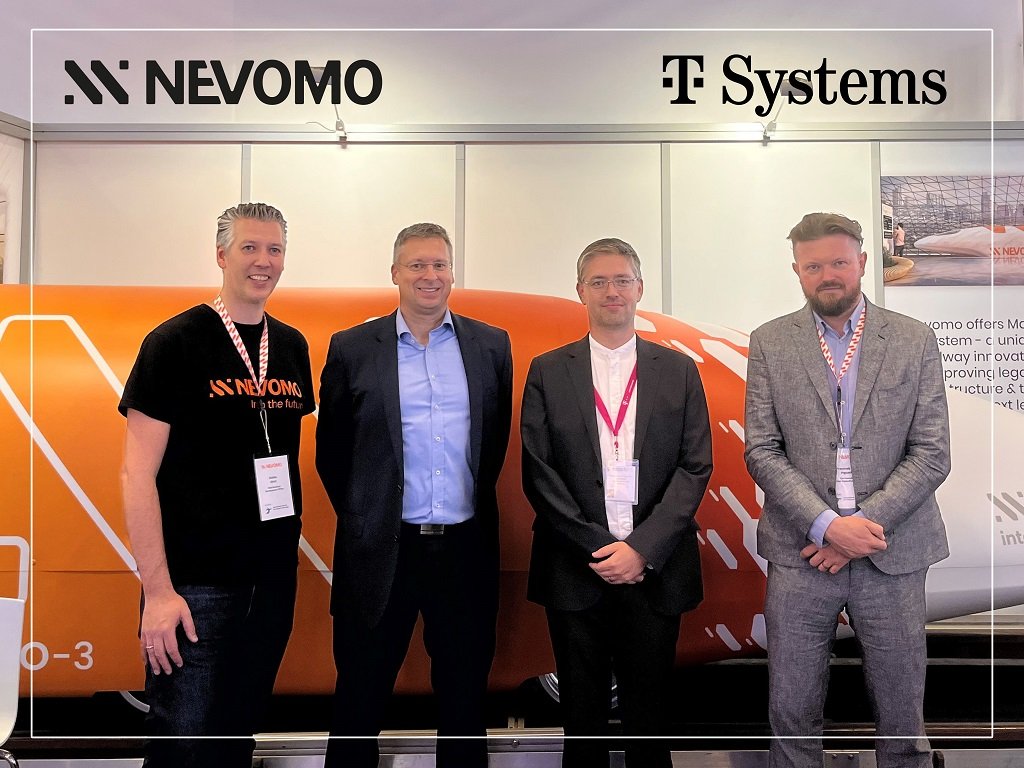
Nevomo and T-Systems, the Deutsche Telekom subsidiary to test the IoT-Sensoring Services for MagRail and existing railways, allowing to measure the track conditions and detect track surface defects at high operational speeds.
Berlin, 22nd September 2022 – Nevomo, a European deep-tech company and the developer of innovative MagRail technology for the next generation of high-speed rail, and T-Systems, an internationally operating service provider for information technologies and digital transformation owned by Deutsche Telekom AG, during the InnoTrans 2022 International Railway Fair have agreed to jointly evaluate the direction of development of IoT services for the rail industry.
MagRail technology was developed to easily, quickly, and cost-effectively expand the capacity and increase the capability of existing rail lines, as well as improve the efficiency of the rail transportation system. As an automated, high-speed and highly accurate system, MagRail requires an infrastructure of impeccable quality, so a reliable assessment of it preceded by in-depth monitoring is an essential step before starting the process of upgrading rail infrastructure.
“As T-Systems, we are already living the best-of-both-worlds: Corporate Delivery Power, with Start-up Innovation attitude. Joining forces with such an innovative rail deep tech company as Nevomo is the next step for T-Systems to become an innovation leader for public transport services”, says Wolfgang Ader, Senior Vice President for Public Transport at T-Systems.
The cooperation between Nevomo and T-Systems consists of Proof of Concepts in six technical areas: Connectivity & Network, IT Security, Sensors, Data Lake, API, and IoT Hub and is based on Nevomo’s current technology development activities for the IoT project which is being implemented on the railway infrastructure in Warsaw, Poland. T-Systems will support the ongoing tests with know-how, further equipment (sensors and network equipment), connectivity, security, and cloud services.
“We are extremely pleased that a company with such an impeccable reputation, trusted by customers and partners around the world as T-Systems is becoming our strategic technology partner. For us and the credibility of our technology, this is one of the best confirmations we can get from the market”, underlines Stefan Kirch, Chief Business Development Officer at Nevomo.
MagRail IoT is Nevomo’s predictive maintenance system which consists of monitoring devices and cutting-edge AI predictive analytics at high operational speeds. It enables seamless operations, increases safety, and saves costs of maintenance.
About Nevomo
Nevomo is a European deep-tech company, the developer of the next generation of high-speed rails. As a leading player in the area of innovation in the sustainable and intelligent mobility industry, the company has developed the globally unique MagRail technology, allowing significant improvements in the efficiency of existing rail transportation systems. Nevomo proposes a phased implementation of transportation systems, inspired by the hyperloop concept, by upgrading railway lines. By equipping existing infrastructure with magnetic levitation and linear motor, the company intends to take railway transport to a whole new dimension of travel with speeds of up to 550 kph.
About T-Systems
T-Systems is a leading European IT service provider for digitization with industry expertise. We stand for reliability, security and sovereignty of digital business models through end-to-end IT services. The Deutsche Telekom subsidiary is headquartered in Germany and has a presence in Europe as well as in selected core markets and strategic production locations. T-Systems can provide a global production and supply chain to companies operating worldwide. With locations in more than 20 countries and around 28,000 employees, as well as annual revenues of EUR 4 billion, T-Systems is one of the world’s leading service providers for information technology and digitization solutions. T-Systems is also an innovative digital service provider with first-class, customer-focused products for transport operators. With in-depth industry knowledge and expertise in digitization, we develop and implement solutions that enable efficient, intermodal and secure use of existing infrastructures.
15.09.2022 Enel-PC is developing the high-power power electronics subsystems for Nevomo
Together with the Polish company Enel-PC we are developing the high-power power electronics subsystems necessary for the implementation of a multi-inverter drive system with a segmented linear synchronous motor. The motor segmentation allows us to increase the line capacity, flexibility of operations, and energy efficiency and provides a GoA3/4-ready solution.
Enel-PC constructs novel, customer-based solutions in power electronics. This includes but does not limit to grid inverters, frequency converters, drive systems, and DC/DC converters.
„We believe Enel-PC services are a perfect answer to modern challenges of the industry, wherever the power conversion is needed. The right solution is provided to Nevomo thanks to their experienced team, consisting of engineers in the field of power electronics and installers”. – says Paweł Radziszewski, Chief Technology Officer at Nevomo.
83 days – that’s how long it took our trusted supplier Enel-PC to design and produce thyristor three-phase switch to increase the efficiency of the propulsion indispensable for the MagRail magnetic rail.
Trusted and proven partners are an important aspect of any business. Therefore, we recommend our partner with a full responsibility.
02.09.2022 Nevomo ready to start testing MagRail technology on the test track in Nowa Sarzyna, Poland
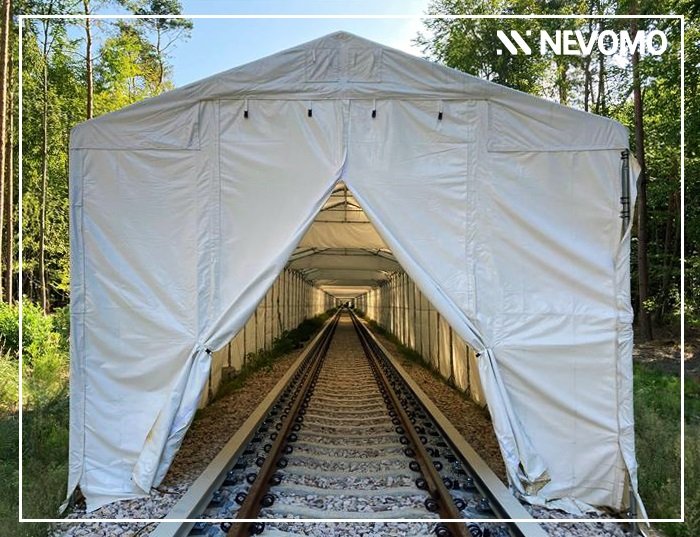
In the first quarter of this year, Nevomo completed the construction of railway infrastructure on Europe’s longest track for testing passive magnetic levitation. The 700-meter-long railway track, which allows levitating railway vehicles of the MagRail system at testing speeds of up to 160 kph, was built on the premises of CIECH Sarzyna in Podkarpackie voivodeship in Poland. The installation of all the necessary wayside equipment, allowing testing of magnetic levitation, among other things, has been recently completed. The first full-scale test vehicle, equipped with all the necessary components to perform the first tests, was delivered to Nowa Sarzyna last week.
We are very happy that despite difficulties in the supply of key components of the MagRail system, caused by the disruption of global supply chains, we are ready with almost all the necessary elements of the system before the end of summer. We have both a fully completed wayside and trackside infrastructure ready for magnetic levitation, as well as a full-scale test platform. We are currently finalizing the system’s power supply and we cannot wait to start testing soon – said Lukasz Mielczarek, co-founder and Infrastructure Director at Nevomo.
MagRail technology was developed to easily, quickly, and cost-effectively extend the capacity and enhance the capability of existing railway lines, as well as improve the overall efficiency of the rail transportation system. MagRail provides the possibility to operate electric vehicles in non-electrified areas, such as terminals and ports. The MagRail system can be integrated into existing railway systems. As a result, the traditional rail transportation system can gain better freight dynamics, higher loading limits, greater flexibility, and the ability to run trains automatically without the need to build new lines, without catenary, and without human error.
The project in Nowa Sarzyna is co-financed by the European Union from the European Regional Development Fund under the Intelligent Development Programme. The project is implemented under a grant from the National Centre for Research and Development called Fast Track.
31.08.2022 Nevomo @ InnoTrans 2022 in Berlin
Nevomo, a European deep-tech company and developer of a new generation of high-speed rail inspired by the hyperloop concept will be at InnoTrans from September 20 to 23 of 2022 in Berlin to introduce MagRail: an efficient frictionless mobility technology that improves inefficient legacy railway infrastructure and takes it to the next level. As a leading player in the area of innovation in the sustainable and intelligent mobility industry Nevomo has developed a globally unique technology, allowing automation, electrification, and full digitalization of the existing rail transportation systems. By equipping existing infrastructure with magnetic levitation and linear motor the company intends to take passengers to a whole new dimension of rail travel with speeds of up to 550 kph.
Visit Nevomo’s stand #340 in hall 4.2 and experience how easy, quick and cost-effective an extension of the capacity of existing railway lines could be. Increase the performance of passenger and freight transport across the globe with our MagRail technology.
Learn more about ensuring the interoperability of conventional railways on the way toward the hyperloop, discover the challenges in the hyperloop ecosystem for passenger transportation and get acquainted with practical use-cases to enhance existing rail services with MagRail at the Hyperloop Conference 2022, which will take place on 23 September 2022 on the InnoTrans premises.
15.06.2022 Nevomo has been awarded with up to EUR 17.5 million in total from the EIC Accelerator issued by the European Commission
- Grant funding of EUR 2.5M starting in 2022
- Additional EUR 7.5M to EUR 15M EIC equity investment, subject to the completion of milestones to be defined in 2023, with funds being available starting 2024
Nevomo, a European deep-tech company and the developer of the next generation of high-speed railways, has received a EUR 2.5M grant funding from the European Innovation Council (EIC) Accelerator Program, which subsequently is expected to be extended by an equity component of up to EUR 15M from the EIC Fund. The investment will be used to further develop Nevomo’s technology towards higher Technology-Readiness-Levels.
“We are extremely proud to be awarded with funding and equity investment from such prestigious European accelerator program. It confirms the credibility of our strategy to develop 21st century technology for rail transport. EIC funding will enable us to accelerate our work in testing and developing our breakthrough technology, which we hope will soon change the face of the mobility industry.”, says Daniel Minx, Head of Finance at Nevomo.
The European Innovation Council (EIC) was introduced by the European Commission to support individual Small and Medium Enterprises (SMEs), in particular startups and spinout companies to develop and scaleup game-changing innovations. The fully-fledged EIC was launched March 2021 under Horizon Europe and is part of the European Innovation Council and SMEs Executive Agency (EISMEA).
“The new wave of innovation is currently led by deep tech start-ups that target societal challenges. I am happy to see so many of them applying to the EIC, in particular from countries that are catching up in their levels of research and innovation performance. Thanks to the European Innovation Council, they will get the support they need to accelerate their growth and lead on the next wave of deep tech.”, underlines Mariya Gabriel, Commissioner for Innovation, Research, Culture, Education and Youth.
MagRail is designed to easily, quickly and cost-effectively extend the capacity and enhance the capability of existing railway lines, as well as improve the efficiency of the rail transportation system. This globally unique solution enables quick and gradual implementation of transport systems inspired by the hyperloop concept, starting with the use of existing corridor routes and makes it possible for both magnetic vehicles and conventional trains to operate on the same lines. MagRail allows fully automated driving, increased frequency, catenary-free and human error-free operation, with timetables adapted to changing transport needs. By adapting the existing railway infrastructure, Nevomo aims to enable travel with a speed of up to 550 kph.
Nevomo presented the first 1:5 demo version of its magnetic rail technology called MagRail in 2019 followed by successful mid-size tests in December 2020. Preparations for the first 1:1 scale tests on a track in Nowa Sarzyna, Poland began in summer 2021. At the beginning of 2022, Nevomo completed works on the railway infrastructure and began installing MagRail system components on what is the longest full-scale test track for passive magnetic levitation in Europe up to date.
About Nevomo
Nevomo is a European deep-tech company, using hyperloop-driven technology to improve the efficiency of existing railways. Its unique approach will enable quick and gradual implementation of transport systems inspired by the hyperloop concept, starting with the use of existing corridor routes. By adapting the existing railway infrastructure, the company aims to enable travel with a speed of up to 550 kph. This will be possible thanks to the development of MagRail technology, a magnetic railway system that makes use of existing railway tracks. Both traditional trains and MagRail vehicles can operate on the same railway line interchangeably. Nevomo is the first company in the world proposing a gradual implementation of hyperloop-driven solutions as an upgrade to the railway industry.
05.05.2022 Tech company Nevomo announces cooperation with the world’s largest inland port – duisport in Germany
- Nevomo’s MagRail technology to enhance existing tracks with efficient propulsion, electrification & automation to boost the capacity of rail transport.
- Nevomo and duisport to evaluate the possibility of implementing MagRail in the harbor’s network.
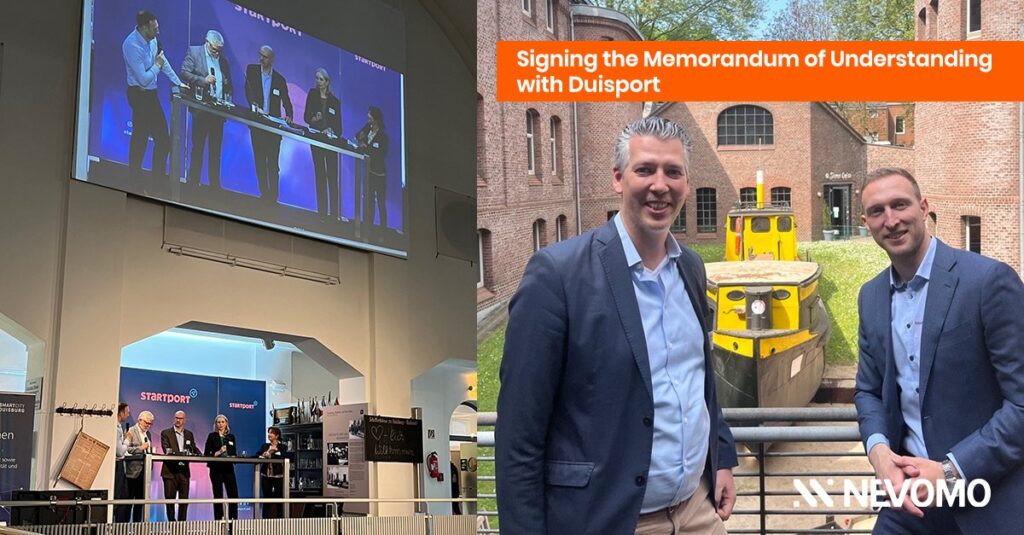
Nevomo, the developer of an innovative, hyperloop-inspired MagRail technology, and duisport, the owner and operator of the port of Duisburg, during the Innovation Day in Duisburg have signed a Memorandum of Understanding (MoU) to explore the possibility of expanding duisport’s capacity with MagRail within the port’s existing infrastructure.
“Nevomo’s MagRail technology is a perfect fit to achieve our strategic goals and maximize efficiency at duisport. Increasing the capacity and flexibility of the existing network by maintaining full interoperability with existing operations is crucial to our business. We are excited to start our cooperation with such an innovative company as Nevomo”, says Alexander Garbar, Head of Corporate Development and Strategy at duisport.
MagRail is designed to easily, quickly and cost-effectively extend the capacity and enhance the capability of existing railway lines, as well as improve the efficiency of the rail transportation system. Linear motor, one of the core subsystems, gives better performance on existing infrastructure without having to carry out lengthy and costly line upgrades. Furthermore, MagRail allows railway vehicles to run powered by electricity on currently non-electrified areas, like terminals and harbors.
MagRail is integrable into existing train operations by upgrading the infrastructure. This allows railways to achieve better train dynamics, higher loading limits, more flexibility and enable automatic train operations without the need to build new lines.
“We are very proud to have been chosen as a partner by duisport. This is undoubtedly the best confirmation of the credibility of our technology we can get from the market and a confirmation of the huge need for this type of a mobility solution. We are very committed to supporting duisport’s goals by implementing MagRail technology within the existing rail infrastructure to benefit the daily operations of the port”, underlines Stefan Kirch, Chief Business Development Officer at Nevomo.
Nevomo’s MagRail technology has already been highly appreciated by major players in the European railway industry, which has been confirmed by several agreements signed, including the Italian infrastructure manager – RFI.
MagRail was developed by Nevomo to significantly increase the efficiency of existing rail infrastructure. This globally unique solution makes it possible for both magnetic vehicles and conventional trains to operate on the same lines without making any changes to the existing rolling stock. MagRail allows fully automated driving, increased frequency, catenary-free and human error-free operation, with timetables adapted to changing transport needs. With various unique features, MagRail is a sustainable alternative to conventional freight transport: trucks, planes and ships. As a result, MagRail technology significantly increases the capacity of railway lines and reduces construction, maintenance and operational costs.
Nevomo presented the first 1:5 demo version of its magnetic rail technology called MagRail in 2019 followed by successful mid-size tests in December 2020. Preparations for the first 1:1 scale tests on a track in Nowa Sarzyna, Poland began in summer 2021. At the beginning of 2022, Nevomo completed works on the railway infrastructure and began installing MagRail system components on this longest full-scale test track for passive magnetic levitation in Europe.
About duisport – Duisburger Hafen AG
More than a port Duisburger Hafen AG owns and manages the Port of Duisburg, the world’s largest inland port. For this port and logistics location, the duisport Group offers full-service packages in the area of infra- and suprastructure, including relocation management. In addition, the subsidiaries also provide logistics services, such as the development and optimization of transport and logistics chains, rail freight services, building management, contract and packing logistics.
17.03.2022 Nevomo completes construction of railway infrastructure and begins installation of MagRail system equipment on the test track in Nowa Sarzyna, Poland
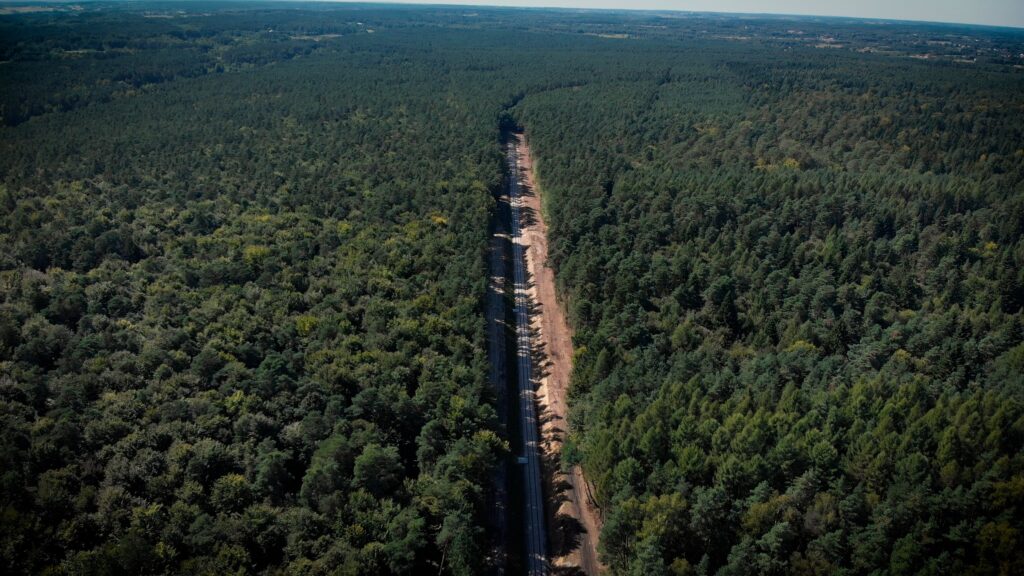
Europe’s longest full-scale test track for passive magnetic levitation at CIECH Sarzyna premises
Nevomo, the developer of the innovative, hyperloop-inspired MagRail technology, has completed the first stage of construction of the longest passive magnetic levitation test track in Europe. In the south-eastern part of Poland, on the premises of CIECH Sarzyna in the Podkarpackie voivodeship, a railway track measuring 700 metres in length was built in a construction standard allowing to reach a speed of up to 160 kph (99.5 mph).
The test track in Nowa Sarzyna will be used to test magnetic levitation, vehicle and infrastructure operation, power system operation and vehicle-infrastructure cooperation.
At the beginning of March, we began installing the equipment necessary for magnetic levitation – a linear motor between the rails, a levitation-stabilizing raceway on the outer rail area, and a power supply system. In the meantime, we are also assembling a prototype of the vehicle we want to levitate. We plan to start full testing as early as this summer, says Łukasz Mielczarek, Head of Infrastructure & Co-founder of Nevomo, and adds, With successfully completed tests, the door for pilot implementations is open. We plan to do it together with our partner Rete Ferroviaria Italiana, the Italian infrastructure manager.
Magnetic rail technology, called MagRail, was developed by Nevomo to significantly increase the efficiency of existing rail infrastructure. This globally unique solution makes both magnetic vehicles and conventional trains possible to operate on the same lines without making any changes to the existing rolling stock. Thanks to the linear electric propulsion, advanced automation and the phenomenon of magnetic levitation, rail vehicles will be able to run on existing railway tracks with speeds of up to 550 kph (342 mph).
MagRail technology allows fully automated driving, increased frequency, catenary-free and human error-free operation, with timetables adapted to the needs of passengers and changing passenger flows. As a result, the implementation of MagRail technology will significantly increase the capacity of railway lines and reduce maintenance costs by approximately 20-30%. MagRail also means lower construction costs compared to high-speed railways.
The project is co-financed by the European Union from the European Regional Development Fund under the Intelligent Development Programme. The project is implemented under the competition of the National Centre for Research and Development called Fast Track.
About CIECH Sarzyna
CIECH Sarzyna is one of the key companies of the CIECH Group, and together with Proplan, it represents the AGRO business unit of the CIECH Group. It specializes in the production of plant protection products (PPP) and is the largest Polish manufacturer of PPPs and a sales leader on the herbicides market. The company, in addition to key European countries, also supports markets in North and South America, Asia, Africa and Australia. Its products reach over 40 countries around the globe. CIECH Sarzyna’s modern plant located in south-eastern Poland is one of the key advantages of the company.
20.01.2022 Dornier Consulting International Joins Nevomo's Strategic Partners
Nevomo signed a strategic partnership with Dornier Consulting International, one of the biggest German consulting companies specializing in transportation systems. Dornier Consulting, a part of Dornier Group, has extensive international experience in dealing with complex scientific, technical and planning challenges – with a particular focus on sustainability and resource protection.
Dornier Consulting International and Nevomo will now join forces to work together on the MagRail system. With its international footprint, Dornier Consulting International has strong expertise in regions such as the Middle East.
”Nevomo is offering an upgrade to railway infrastructure to boost existing railways into new dimensions of competitiveness. Inspired by hyperloop concepts it brings additional capacity and new business models for the legacy rail system in an easy plug-and-play approach. This will be a real game-changer. Dornier Consulting International is proud to work with one of the most innovative infra-tech companies in the field of mobility.” – said Stefan Barthelmes, Director Transportation – Business Line Mobility, Dornier Consulting International.
“I am extremely pleased that Dornier Consulting International has joined the group of our strategic partners. I am convinced that our cooperation will be very productive and we will be able to announce next milestones in the development of MagRail technology soon” – said Milan Chromík, CEO of Nevomo.
2021
09.11.2021 Andrea Giuricin: New Member of the International Advisory Board

We are proud to announce that Dr. Andrea Giuricin renowned expert in transport economics, specializing in regulation, senior consultant to the World Bank and the United Nations, has become a member of the International Advisory Board of Nevomo.
Dr. Giuricin is a transport economist at CESISP – University Milan Bicocca and adj. professor at Purdue University, the University of Minnesota, Michigan State University, and University Southern California. He is also a former visiting professor at the China Academy of Railways Sciences, the biggest academy in the world for railways and a senior rail consultant for the World Bank, reforming the railway sector in Asian and African Countries.
Furthermore, he is the CEO of TRA consulting, a strategic consultancy specializing in transport, infrastructure, telecommunication, digital, and media sectors based in Barcelona, Milan, and Brussels.
Analyses made by Dr. Andrea Giuricin were quoted on Xinhua, Wall Street Journal, Financial Times, Reuters, Bloomberg, and others.
At Nevomo, as a member of the International Advisory Board, he will contribute to the development of strategic outputs and analysis of the economic performance of the MagRail system. He will also support Nevomo in areas of the regulatory framework and the standardization process in Italy and at the EU level.
-“I am extremely happy to cooperate with Nevomo, impressed by the step-wise approach that will help to link existing railways to the ultimate hyperloop system.” – underlines Andrea Giuricin.
–“Andrea will bring his global experience of business models, and regulations in rail and air sectors, as well as a deep understanding of Italian, European and global transport challenges. Deep knowledge of the Italian market is a great value as Italy is one of the core geographies for Nevomo.” – says Michal Litwin, Strategy Director at Nevomo.
06.10.2021 Europe Moves Closer to Hyperloop with First Industry Agreement with Key Rail Association
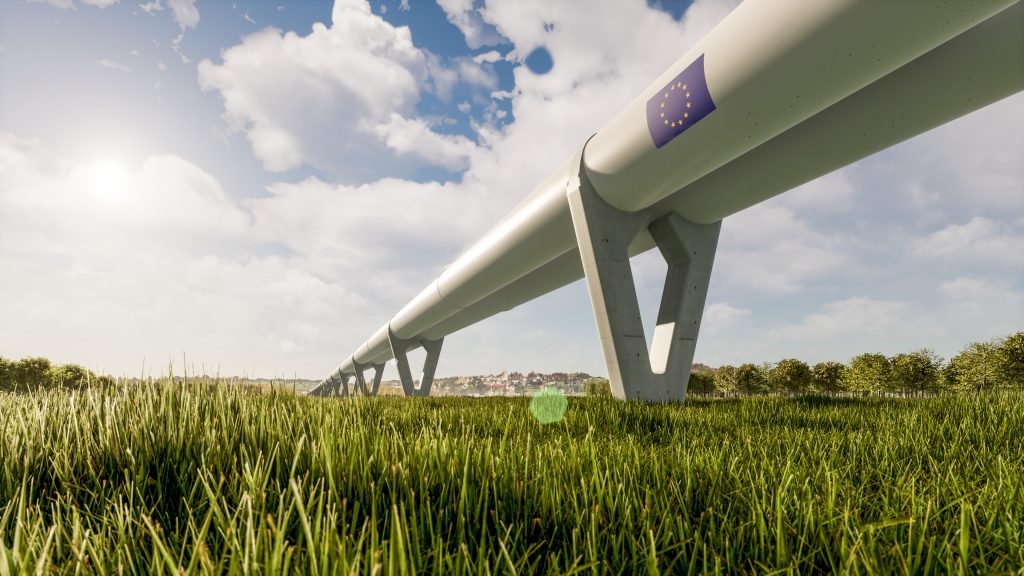
Nevomo and other six largest players in the hyperloop industry have signed an agreement with the European Rail Infrastructure Managers (EIM), with the objective to support the integration of hyperloop and rail systems, and to exchange information and best practices to facilitate cooperation and efficiency for mobility systems of the future. Thanks to this cooperation, rail infrastructure managers members of EIM and hyperloop companies will be able to learn from each other and identify potential innovation drivers. The hyperloop companies, besides Nevomo, include Hardt, HyperloopTT, Swisspod Technologies, TransPod, Virgin Hyperloop and Zeleros.
Gorm Frimannslund, the EIM President, declared that “hyperloop can play a key role in the transition towards sustainable, safe, intermodal transportation in Europe, in line with the principles of the Green Deal and EU Recovery Fund. Rail infrastructure managers can bring their experience and know-how to facilitate hyperloop system integration into existing rail systems throughout Europe. Thanks to this agreement we pave the way to explore promising multimodal, efficient infrastructure transport solutions for the benefit of European citizens and the greater economy.”
„Taking up the topic of cooperation with a top organization associating European railway infrastructure managers is another, after the cooperation agreement with the Italian infrastructure manager – Rete Ferroviaria Italiana, proof of the correctness of our strategy aimed at building future solutions for transport together with the rail sector. The interest of leading European infrastructure managers in hyperloop technology is big news and a great opportunity to introduce the assumptions of the MagRail technology as a stepwise approach to future vacuum transport systems.” – says Michal Litwin, Nevomo’s Strategy Director.
The hyperloop companies signatories of this Agreement consider that “this new cooperation with EIM paves the way to better connect both modes. It will also support hyperloop to become a complementary transport eco-system in the interest of freight customers and passengers.”
About EIM, Association of European Rail Infrastructure Managers: www.eimrail.org
18.06.2021 Rete Ferroviaria Italiana and Nevomo have signed a MoU
Rete Ferroviaria Italiana and Nevomo have signed a Memorandum of Understanding (MoU) to verify the technical and economic feasibility of superposing MagRail technology on existing railway infrastructures. As part of this cooperation, they will apply for European innovation funding, to finance a full-scale pilot on the RFI test facility in Bologna San Donato. It will be a major step towards bringing this innovative technology – still in its development phase – to the European railway market. It is expected that MagRail will be compatible with the coexisting underlying railway system and will enable conventional and high-speed railway transport to be upgraded. There will follow an increase in speed of up to 75% regarding existing alignments, without the need to build new infrastructures. This will mean avoiding all heavy civil works and related investment.
Rete Ferroviaria Italiana, the Ferrovie dello Stato Italiane Group company responsible for managing the national railway infrastructure, and the Polish-Swiss technology company Nevomo, have signed an MoU to develop MagRail technology. The year-long collaborative agreement is focused on knowledge sharing and analysing the Italian railway network to assess the technical and economic feasibility of implementing MagRail technology on selected routes. The agreement also mentions technology acceleration, aimed at integrating it with the railway system.
In line with these activities, these two companies will apply for funding from the EU to conduct the first full-scale MagRail system pilot on a test track in Bologna San Donato, which is owned by RFI. This will be the last stage of testing, which is expected to trigger the conformity assessment procedures needed to implement the MagRail technology commercially. Thus, Italy has taken another step towards becoming a pioneer of advanced and innovative transport systems, focusing on related infrastructural needs.
Magrail is expected to become a new high-speed transport system superposed on, and integrated with, existing railway corridors. It will enable the introduction of a new mode of propulsion with linear motors and a new interface between newly designed vehicles and the infrastructure, based on frictionless magnetic levitation. From a technical point of view, it will allow for interchangeable operations of conventional railway rolling stock, as well as new, faster, magnetic-levitating vehicles on the same line. The latter vehicles will be up to 75% faster than the former vehicles on the same route alignment. The system is expected to improve the performance and efficiency of existing railway corridors at moderate capital expenditure levels and with lower operational costs.
The MagRail technology we are developing allows us to implement sustainable mobility by transforming the transportation landscape into an efficient and emission-free system. The preliminary feasibility study of MagRail technology, conducted in cooperation with our partner IDOM, shows that the benefits of implementing MagRail technology will be significant – both in economic and social terms, says Przemek Paczek, CEO & co-founder of Nevomo. We are extremely happy that RFI, one of the European leaders in adopting advanced technological railway solutions, has placed its trust in us. Together, we have an opportunity to revolutionize rail transport, he adds.
15.06.2021 Plastwil De Bonte becomes Nevomo’s Track Partner

Nevomo has signed a cooperation agreement with Plastwil and Plastwil de Bonte, companies specializing in the production of top-quality pre-stressed concrete sleepers and rail fastening systems. The sleepers and fixings supplied by the two companies will be used to build a full-scale MagRail technology test track. Thanks to this cooperation, Nevomo will build a 750-meter-long track which will be the longest track for passive magnetic levitation tests in Europe.
The Belgian company De Bonte has 30 years of experience in the manufacture of prestressed concrete sleepers, while Polish Plastwil has been a leading manufacturer of sleeper rail fastening systems for more than 35 years. Both the pre-stressed concrete sleepers and the fastening systems will become part of a full-scale test track for the MagRail technology – a new generation of high-speed railways in which vehicles will travel at speeds of up to 550 kph. The track will be built in the Nowa Sarzyna commune in the Podkarpackie voivodship in Poland. Construction will begin in the second half of this year.
As part of the agreement, Plastwil De Bonte became Nevomo’s Track Partner and joined a group of other companies that are currently supporting the development of the magnetic railway including IDOM, CIECH Sarzyna, Transfer Multisort Elektronik or the Railway Institute.
–The support of Plastwil, which has a rich and international experience as a leading manufacturer of rail technology components, is very important for us. Thanks to this, further steps towards full-scale testing of MagRail technology will be possible. – says Lukasz Mielczarek, co-founder and Infrastructure Director at Nevomo.
– As an innovation-driven company, we draw from our many years of experience as a manufacturer of railway infrastructure components, and we are already thinking today about what would be required for railway development in the coming decades. The cooperation with Nevomo fits perfectly in our future vision, where we create railway solutions for the next 20, 30, or even 50 years ahead. I am convinced that in the context of reducing human impact on the environment, railways are going to become the preferred mode of transport, and the development of such technologies as hyperloop is bringing us closer to its revival – says Izabella Walkowska, CEO at Plastwil.
01.06.2021 Nevomo will construct the longest passive magnetic levitation test facility in Europe

Nevomo, a company developing pioneering MagRail technology, enabling vehicles to reach speeds of 550 kph on existing railway tracks, has signed an agreement with CIECH Sarzyna, a company belonging to the CIECH Group. Nevomo will lease land and infrastructure from the company, allowing it to build a full-scale 750 m test track. Work will begin in summer 2021 and the track will be the longest passive magnetic levitation test facility in Europe.
CIECH Sarzyna will provide Nevomo with access to the area – with the railway track and the adjacent infrastructure, and, inter alia, office building and warehouse – located in the Nowa Sarzyna commune, in the Podkarpacie region, Poland. On the test track, vehicles with a linear drive system and passive levitation will be tested, as well as power electronic systems for powering and controlling a multi-segment linear motor. Work will begin in the summer of 2021.
– The construction of the 1:1 scale test track on the site provided by CIECH Sarzyna is another milestone in the development of the MagRail technology. The successful conduct of these tests opens the path to pilot implementations, which are planned for the years 2022–2024. MagRail technology is expected to be technically fully operational by 2025 – says Pawel Radziszewski, Board Member and CTO of Nevomo.
The advantage of the MagRail technology, which uses the hyperloop concept (magnetic vacuum rail system), is the possibility of integration with the existing railway infrastructure without the need to make changes to the rolling stock.
– CIECH supports innovative solutions that respond to the challenges of the world around us. The cooperation with Nevomo is part of the philosophy of our operation, according to which a business which is modern and open to cooperation is a source of positive changes for millions of people in the world. I am glad that we will make a small contribution to building a truly revolutionary technology in public transport – says Wojciech Babski, CEO of CIECH Sarzyna.
The track design is co-financed by the European Union from the European Regional Development Fund under the Intelligent Development Program. Project implemented as part of the competition of the National Centre for Research and Development: Szybka Sciezka.
CIECH is an international, developing chemical group with a strong position on global markets. It is the second producer of soda ash and baking soda in the European Union, the largest producer of evaporated salt in Poland, the largest supplier of sodium silicates in Europe, the largest Polish producer of plant protection chemicals and a leading producer of polyurethane foams in Poland. It has factories in Poland, Germany, and Romania and employs over 3,000 people throughout the EU. The development of the Group is supported by the strategic investor – Kulczyk Investments.
27.05.2021 ValueTech Seed Fund invested in levitating trains
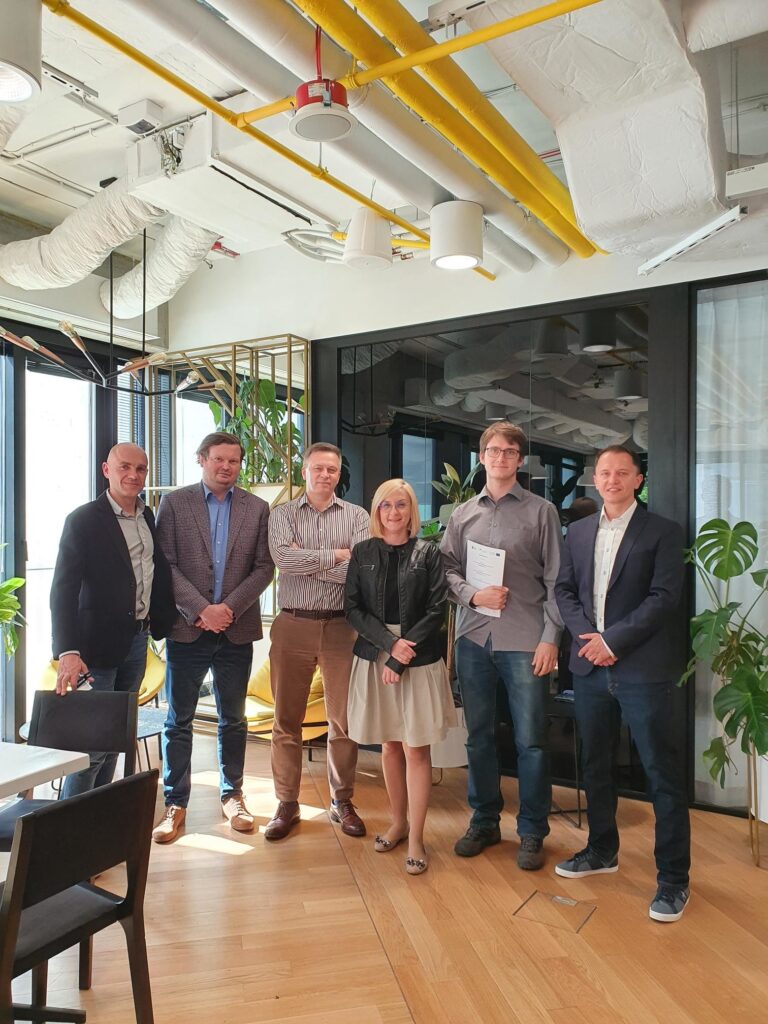
Nevomo has acquired PLN 1.1 mln from the ValueTech Seed Venture Capital. This is the first VC investment in the company. The funds obtained will be allocated to the development of power electronic systems for the transport of the future.
The founds in the amount of PLN 1.1 mln obtained from ValueTech Seed VC by Nevomo’s subsidiary – Nevomo PE will be used for the development of technologies for sectioning and segmenting of a synchronous linear motor, which is one of the key components of the MagRail system. The funds will enable the design and testing of prototype’s hardware and software responsible for increasing the efficiency of the motor and optimising the motor’s performance parameters: acceleration, speed and energy consumption.
ValueTech Seed is a Polish seed fund supporting startups developing solutions for modern industry, especially in the energy sector. Its portfolio already includes over a dozen technology companies connected with the areas of renewable energy sources, cleantech, industry 4.0 or energy efficiency management. The fund is co-financed by the National Centre for Research and Development under the Bridge Alpha programme. Entrepreneurs and managers gathered around the fund intensively support the internationalisation of portfolio companies.
-Investment from ValueTech Seed is a great distinction for us and a proof, that our work on the development of emission-free transport is appreciated and is gaining trust of bigger group of investors. Until now, the development of MagRail technology was based on funds from equity crowdfunding, angel investors, family-office funds and EU grants. It’s our first VC investment, which confirms that our company has reached a proper degree of maturity required by funds that professionally invest in technology startups. We are very proud that ValueTech Seed became our first VC investor. Their experience and network of contacts will significantly accelerate our development – says Przemek Paczos, Nevomo’s CFO.
Nevomo is in its third round of equity crowdfunding on one of the leading equity investment platforms, Seedrs. The company has already reached its fundraising target after only 5 days of the campaign. So far it has raised €1.14 million with the involvement of over 800 investors. The funds raised will be used for full-scale testing of key MagRail components, preparation for pilot implementation, as well as new R&D projects and continuation of IP protection.
20.05.2021 MagRail technology is a real opportunity to transform railways

The end of the pandemic in Europe will mean the beginning of huge investments at the government level. Some of them must be allocated to the transformation resulting from the objectives of the European Green Deal. The changes will certainly affect the area of infrastructure, including railways. According to the latest report entitled „Preliminary study of MagRail Implementation”, prepared by IDOM and Nevomo, innovative MagRail technology may play an important role in railway investment programs.
Poland is dynamically developing and modernizing its transport infrastructure in all forms: road, rail, air and sea. Thanks to its strategic location at the intersection of the main European transport corridors in the North-South and East-West directions, as well as the improving transport infrastructure, Poland holds its strong position on the logistics map of Europe. The implementation of state-of-the-art technologies, such as MagRail, will not only benefit the economy but will also strengthen the impact on environmental protection, in line with the objectives of the EU Green Deal. According to the latest IDOM and Nevomo report, the innovative MagRail technology may be a key element in the transformation of Polish railways.
Return on investment in 30 years
IDOM and Nevomo carried out analysis on how MagRail technology would perform on the first Polish High-Speed Rail line between Warsaw, Lodz Poznan, and Wroclaw (so-called Y Line). To do so, companies compared two variants: a basic scenario which assumes construction of a new HSR line for conventional trains only (allowing the speed of up to 300-350 kph), and an investment (MagRail) scenario, which on the top of basic scenario contains additional MagRail layer (what allows reaching the speed of up to 550 kph).
According to the report, the economic benefits of implementing the MagRail technology in the main rail corridor in Poland would be significant. The total investment of EUR 12.6 bln (PLN 57.1 bln) would comprise EUR 7.5 bln (PLN 33.8 bln) for basic underlying HSR infrastructure and of additional EUR 5.1 bln (PLN 23.3 bln) on MagRail components (infrastructure and vehicles), and it would bring a positive economic return within 30 years. Based on the analysis, the total economic benefits for the society would amount to EUR 4.3 bln (PLN 19.6 bln), and Benefit/Cost Ratio for this investment would reach 1.42. Economic Net Present Value (ENPV) of the project would reach EUR 1.3 bln (PLN 5.8 bln), which gives an Economic Rate of Return (ERR) of 4.01%.
Social benefits
According to IDOM and Nevomo, saving time on travel is one of the most important benefits of investing in MagRail technology. This applies to both business and private trips. The investment would also lead to significant gains in social and environmental areas. Ultra-high speeds would attract passenger flows from the road and short-haul air transport, which will lead to the reduction of costs of accidents, air pollution, CO2 emissions, and noise. Overall economic effect in this regard will reach as much as EUR 0.6 bln (PLN 2.5 bln), while amounts of saved CO2 emissions would reach at least 2.1 mln tonnes when compared to HSR.
„It is vital to put this study and the MagRail technology within a broader context. The results of the analysis and the created assumptions can be extended to the whole country and even broader, to the substantial part of Europe. For example, a further extension of the “Y Line” from Poznan to Berlin, new lines to new international airport Solidarity Transport Hub as well as new HSR projects in Europe like Berlin – Prague – Vienna line could also potentially be a good fit for MagRail technology” – comments Michał Litwin, Strategy Director at Nevomo. “Given growing social and political pressure on short-haul flights, there`s an obvious market niche for means of transport allowing speeds within the range of 500-600 kph. The competition in this regard has already started, and it is extremely important to assure that Europe has its own relevant technology. From this standpoint, MagRail can be also considered as a European answer for Chinese ultra-high-speed maglevs.”
“Another important point to consider is the impact of the MagRail solution is the flexibility in the transport supply adjustment. As is clear from the study, the solution has the potential to change the sector and has many undeniable advantages, such as increased speed, reduced emissions from the transport sector (namely from air and road transport), low costs, and availability. The benefit of MagRail that is not raised in the discussions is much more frequent operations for passengers or increased operational capacity for rail operators. The accelerations and decelerations and tailor-made signalling system should allow running the pods with high frequencies” – adds Wojciech Gaweda, Director of Transport Analysis Department at IDOM.
MagRail wins the trust of investors
Nevomo is currently in the middle of the third round of their equity crowdfunding campaign on one of the leading European equity investment platforms, Seedrs. Already in the first 5 days of the campaign, the company has achieved its investment target. So far EUR 1,1 mln over 750 investors is secured. Funds will mainly serve to conduct full-scale tests of key MagRail components and to prepare for pilot implementation, as well as for new R&D and to continue IP protection.
About the report
The „Preliminary study of MagRail Implementation” report was prepared based on IDOM’s knowledge of the Polish High-Speed Railway Y project. This allowed the authors to create a model based on real data, as opposed to rough estimates. The study based on which the material was developed is in line with the Guidelines for the cost-benefit analysis of investment projects published by the European Commission in 2015.
The full report is available for download at the link below: idom.nevomo.tech
14.05.2021 Investor chat

On Wednesday, 19th of May at 11 am CEST, we organize an investor chat at StockWatch.pl (in Polish). Participants will have an opportunity to speak with the following Nevomo’s representatives: CEO Przemek Pączek, CTO – Paweł Radziszewski and Janusz Kućmin – Nevomo’s Board Advisor.
More info (in Polish) here.
We will talk about our ongoing third equity crowdfunding campaign at Seedrs and our upcoming business and operational plans.
EUR 1 mln, the first goal of the campaign was reached in only five days. In the next two weeks we want to raise additional 200-400k euros, which will allow acceleration the work on the magnetic rail system. The construction of a full-scale test track for magrail will start in the 2nd half of the year.
We will also address the recently announced expansion into other European markets, including Germany, through the cooperation with EUREF- CAMPUS Dusseldorf and the Emden/Leer University of Applied Sciences. Recently we have announced the opening of a new Swiss subsidiary. It will be responsible for cooperation with partners in Switzerland, France, and Italy.
More info on our campaign: www.seedrs.com/nevomo.
11.05.2021 Janusz Kućmin: new Advisor to the Management Board in Nevomo

Janusz Kucmin, a manager with many years of experience in the railway industry has joined the Nevomo team. As an Advisor to the Management Board, he will be responsible for, among others development of strategies and issues of interoperability, standardization and vehicle approval, and creation of essential components of Nevomo’s technology.
Janusz Kućmin has extensive engineering competencies as well as in the area of strategy development and sales management in Poland and Central European. For over a dozen years he was associated with Bombardier Transportation Polska, performing, inter alia, Chief Country Representative. For many years he has been the president of the Association for Rail Transport Interoperability and Development (SIRTS).
At Nevomo, he took the position of the Management Board Advisor. He will support the company in areas related to the development of technology and products within individual market segments as well as the development of technical standards, approval, and certification of the magrail technology and its components.
20.04.2021 Nevomo's international expansion. Polish start-up will enter new markets
Nevomo is expanding the scope of its activities and starting its European expansion. The Polish start-up has established cooperation with EUREF-Campus Düsseldorf and the University of Applied Sciences Emden/Leer in Germany. The founders have also announced the opening of a new Swiss office, which will take responsibility for the cooperation with entities from Switzerland, France and Italy.
The company has just announced its cooperation with EUREF-Campus Düsseldorf. This is the second innovation campus of this type in Germany, following the establishment of the first prestigious centre in Berlin. The campus will bring together companies, scientists and start-ups operating in the areas of modern technologies for energy, mobility and sustainable development.
– The EUREF-Campus Düsseldorf proves that the transformation of the energy and mobility sectors is possible. We are pleased to welcome Nevomo directly from the start as an active partner of our innovation community and as an important tenant of the Mobility Hub NRW. NEVOMO – one of the most innovative players in the field of mobility – will show how the mobility of the future will look like and how this future becomes reality – says Uwe Kerkmann, Head of EUREF-Campus Düsseldorf.
European Hyperloop Technology Center
Another milestone for Nevomo is establishing cooperation with the University of Applied Sciences Emden/Leer, which in cooperation with the Carl von Ossietzky University Oldenburg, is creating a network dedicated to Hyperloop Technology and future implementations in transportation systems on a European scale.
–In a collaborative effort, both universities are active in the project EU HyTeC (European Hyperloop Technology Center), funded by the state of Lower Saxony, which evaluates the evolution of the existing 32km Transrapid test track in Emsland, Germany, towards a European Hyperloop Research Facility. – comments Prof. Dr. Ing. Thomas Schüning, Board of Directors – Institute of Hyperloop Technology. – We are happy to count Nevomo as a Partner for the Large Scale Research Infrastructure on Hyperloop Technology in Emsland.
– The newly established cooperation gives us the opportunity to play an important role in the development of the transport technologies of tomorrow. Close cooperation with partners in the field of mechanical engineering, electronics and information technology is crucial to to transform the antiquated fossil fuel-dependent transportation system into an efficient and emission-free one. Both EUREF-Campus Düsseldorf and the University of Applied Sciences Emden/Leer provide us with access to such entities and give us wide opportunities, thanks to which our further development and joint work on the implementation of the transport of the future will be possible – says Przemek Paczek, CEO of Nevomo.
Conquering the Alps
An important stage of Nevomo’s international expansion is also the opening of an office in Switzerland. It will serve potential clients in key markets, such as Switzerland, France and Italy, as well as increase the number of international corporate partnerships and R&D projects, recruit international engineering talents, and facilitate access to Western European sources of financing. Its opening is scheduled for the turn of the third and fourth quarter of this year.
Another target of the company is Austria. In order to increase business competencies and learn about the specifics of this market, Nevomo is taking part in the Vienna Startup Package. The four-week workshop allows start-ups to learn about the dynamics of the Austrian market, identify new business opportunities, and establish contacts with local contractors.
2020
28.12.2020 Nevomo parts in the Dutch Hyperloop Development Program
Nevomo has been invited to participate in the Dutch Hyperloop Development Program – a venture with total funding of EUR 30 million. The work will result in, e.g. construction of the European Hyperloop Center and the development of hyperloop technology as a fast and emission-free transport solution.
The Hyperloop Development Program is an R&D project aimed at accelerating work on the development of hyperloop technology. Leading global industry players and institutions that have been involved in the vacuum rail development have been invited to participate.
– The invitation to this project is not only a distinction for us but above all, it confirms that our technology works and the progress is noticed in Europe and plays an important role in the process of building groundbreaking solutions for transport – comments Przemek Pączek, Nevomo’s CEO.
The company will be responsible for designing key elements of propulsion, power, and control systems, within the working group preparing the concept of the system for cargo transportation – so-called cargoloop.
– With its expertise, Nevomo can make a valuable contribution in R&D activities on, specifically, motor and power electronics design, to be performed in the Cargo Work Group – adds Jeroen in 't Veld, Chairman of the Hyperloop Development Program.
The program is funded by the Dutch government and a consortium of research companies and will last three years. In addition to Nevomo, project participants include Dutch Railways, TATA Steel, Royal Schiphol Group, TÜV Rheinland, and Hardt Hyperloop.
The total amount allocated for the program implementation is 30 mln euros, of which 4.5 mln is a government grant.
Additional financial support for the project has also been provided by the province of Groningen in the Netherlands, on which premises a test facility – the European Development Center – will be built in 2022. The complex will feature Europe’s first 2.6-km-long track with a diameter of 1.4m, which will enable tests of magnetic levitation, cornering and high-speed emergency braking.
The Hyperloop Development Program is an R&D project aimed at accelerating work on the development of hyperloop technology. Leading global industry players and institutions that have been involved in the vacuum rail development have been invited to participate.
– The invitation to this project is not only a distinction for us but above all, it confirms that our technology works and the progress is noticed in Europe and plays an important role in the process of building groundbreaking solutions for transport – comments Przemek Pączek, Nevomo’s CEO.
The company will be responsible for designing key elements of propulsion, power, and control systems, within the working group preparing the concept of the system for cargo transportation – so-called cargoloop.
– With its expertise, Nevomo can make a valuable contribution in R&D activities on, specifically, motor and power electronics design, to be performed in the Cargo Work Group – adds Jeroen in 't Veld, Chairman of the Hyperloop Development Program.
The program is funded by the Dutch government and a consortium of research companies and will last three years. In addition to Nevomo, project participants include Dutch Railways, TATA Steel, Royal Schiphol Group, TÜV Rheinland, and Hardt Hyperloop.
The total amount allocated for the program implementation is 30 mln euros, of which 4.5 mln is a government grant.
Additional financial support for the project has also been provided by the province of Groningen in the Netherlands, on which premises a test facility – the European Development Center – will be built in 2022. The complex will feature Europe’s first 2.6-km-long track with a diameter of 1.4m, which will enable tests of magnetic levitation, cornering and high-speed emergency braking.
14.12.2020 Nevomo gains a new investor

The Hütter Private Equity fund from Gdynia has invested several hundred thousand euros in Nevomo’s new funding round. The funds will be used for the development of Nevomo’s business team and co-financing research and development concerning the drive and suspension of a new generation of High-Speed Rail.
– The investment in Nevomo is part of a broader strategy of the fund, which supports carefully selected projects with amounts up to 5 mln PLN, assuming a return on investment within 3-5 years. The key factor in deciding to support Nevomo was the experienced international team and the globally unique technology, which has the potential to change the face of rail transport – said Piotr Hütter, founder of Hütter Private Equity.
Piotr Hütter was the founder of Gemini Pharmacies, which was acquired in 2015 by one of the leading Private Equity funds – American Warburg Pincus. Before the sale in 2015, the company had a turnover of more than PLN 500 million, a third of which came from online sales.
– The support of Hütter Private Equity means that we have raised a total of nearly 4 million PLN from private investors this year – explains Przemek Paczos, CFO of Nevomo.
The funds obtained from Hütter Private Equity started another round of funding for Nevomo. Further talks with business angels, venture capital and family-office funds are in progress.
02.12.2020 Nevomo with funding from Shift2Rail
The aim of the project called „Hypernex: Ignition of the European Hyperloop Ecosystem” is to initiate research and cooperation between companies, scientific centers and R&D institutions interested in the development of a new generation of transport systems, such as magrail and hyperloop.
– Getting support from the Shift2Rail initiative, which brings together the most important players of the European railroad industry, is a great success and another proof that our magrail technology has a chance to become a reality in the next few years – adds Przemysław Pączek, CEO of Nevomo
As a part of the project,a comprehensive study will be created, based on the knowledge of experts and partners. As a result, the program will contribute to strengthening the competitiveness of European rail transport companies and to the implementation of a sustainable transport system inspired by hyperloop technology. Thanks to the exchange of experience and complementarity, the HyperNEX project has a chance to accelerate the development of this technology in Europe and the continent itself can become a leader for the future hyperloop market worldwide. Nevomo is responsible for coordinating one of the project tasks: „innovative concepts suitable for guided transport modes.”
The project involves 13 participants from 8 European countries. Apart from Nevomo, the project involves other European hyperloop technology leaders (Dutch Hardt, Spanish Zeleros and French-Canadian Transpod), leading technical universities from Germany (TU Berlin), Great Britain, Italy and Spain, the International Union of Railways (UIC) and research units, including the Polish Railway Institute. The project advisory board also includes RENFE (Spanish national railroad company) and RFI (Italian railroad infrastructure operator). The implementation of the program is expected to take a year.
12.10.2020 Hyper Poland becomes Nevomo
Hyper Poland is changing its name and visual identity. The company aims to revolutionize rail transport, focusing on the development of the magrail system – a technology that enables travel at speeds of up to 550 km/h.
Nevomo is developing a technology that, using existing corridors and rail regulations, will enable hyperloop-inspired transport. Compared to conventional rail, vehicles using the magrail system will be able to travel on the existing rail infrastructure at speeds of up to 550 km/h. The image changes are due to the company’s intensive development and the desire to strengthen its position both in Poland and on foreign markets.
– In creating the Nevomo brand we took another step in building our position as a leading player on the global market of new technologies for the transport sector. For several years now, we have been developing the magrail system, which is one of the first steps in revolutionizing the railway industry. The new name and refreshed logo will help us develop even further, stresses Przemysław Pączek, CEO of Nevomo.
The company focuses on developing innovative technologies – magnetic levitation, the construction of a linear motor, or the integration of the magrail system with existing railway infrastructure. In 2018, it submitted eight patent applications to protect its original solutions, and at the end of 2019, it completed work on a 1:5 scale demonstrator of the magrail technology. The company is currently finalizing preparations for the construction of a 500-meter test track, which will be located in Poland. Its construction will start in the spring of 2021, with testing of the full-scale prototype of the magrail vehicle planned for several months later.
In order to facilitate the transition to the new name, the company will also use the name „Hyper Poland becomes NEVOMO” during the transition period. This will be the name used on the company’s social media channels.
22.06.2020 Hyper Poland and IDOM began cooperation
Hyper Poland will cooperate with IDOM, a world leader in providing Consultancy Engineering Services with a strong focus on rail infrastructure. In doing so, the Partners have recently signed a Cooperation Agreement.
By a stepwise approach, Hyper Poland proposes to implement the next generation of a sustainable long-distance mass rapid transport system based as a variation of the hyperloop concept by using existing railway superstructure.
IDOM will support Hyper Poland with its rich, global experience in designing high-speed rail systems, traffic research, and business analysis. Upon the Agreement, IDOM is officially becoming a Partner of Hyper Poland. In this way, IDOM has joined the prestigious small group of Companies (i.e. Microsoft, DB Schenker, LOT Polish Airlines, TWERD, Transfer Multisort Elektronik, Railway Research Institute, InCredibles by Sebastian Kulczyk) that contributes developing Hyper Poland’s transport system.
– Cooperating with IDOM – a global leader in infrastructure designing and research is for us yet another proof that our work on magrail – the innovative passive levitation technology – is gaining more and more attention among the most important players of the transportation industry. With that next steps to building even more advanced solutions, such as hyperloop, are possible – explains Przemyslaw Paczek, CEO of Hyper Poland.
– We have no doubts that nowadays, innovation is crucial for transportation – not just in the IT area, but most of all – in those most advanced fields of technology. IDOM supports this trend and participates in many projects that may potentially become the technology of the future. That’s why Hyper Poland’s idea has drawn our attention. It shows potential to implement magnetic levitation, keeping the current rail superstructure – points out Marcin Warda, IDOM Country Manager for Poland. – In this way, we are proud to contribute with our Partner to pioneer the first step towards a sound implementation of hyperloop technologies. By using the current guideway facilities, we are promoting sustainability while enhancing transport capabilities along well-developed rail corridors. – adds Warda.
02.06.2020 Site General Manager of Shangai Maglev Transrapid Project joins Hyper Poland
We are very pleased to announce that Johannes Braun has joined Hyper Poland’s Advisory Board.
Johannes Braun has in-depth expertise in railways and maglev systems. From 2001 to 2003, he was the Site General Manager of the German Consortium Shanghai Maglev Transrapid Project (Siemens and ThyssenKrupp) , which built the first commercial maglev magnetic railway line with a cruising speed of 431 km/h operating since 2004.
From 1997 to 2006 he was involved in the project management and the site management of infrastructure projects/turnkey transportation systems with Siemens AG in Berlin, e.g. as installation and commissioning manager in the project SkyTrain, Airport Düsseldorf, and Transrapid International GmbH; as a member of the project management of the planning projects “Transrapid Berlin – Hamburg” and the “Maglev Deployment Program” for the USA. From 2006 to 2011 with Alstom Transport Deutschland GmbH, Berlin, as Head of the Business Unit Signaling, High-Speed Trains and Infrastructure and Managing Director, Alstom Austria GmbH, Vienna, he was responsible to structure, to build up, and to develop the business in Germany and Austria.
Since 2011, Johannes Braun has been working for the Goldschmidt Group, Leipzig – as President of the Business Unit Rail Solutions and as a Group Vice President since 2014; Goldschmidt serves the railway infrastructure market worldwide with solutions around the rail.
27.04.2020 Hyper Poland secures investment to develop masgnetic rail system
More than half a million euros raised by Hyper Poland in the second equity crowdfunding campaign. The money will help the company extend the research on passive magnetic levitation technology, adapting it to existing railway infrastructure and building a full-scale test track.
Surpassing the initial goal of €451 500 will allow further development of unique Hyper Poland’s magrail technology: a solution that makes magnetic levitation infrastructure possible to be adapted on existing railways. – Thanks to this approach the most innovative form of transport will not require huge investments in a whole new infrastructure – explains Hyper Poland’s CEO, Przemysław Pączek.
– Surpassing the initial plan of the campaign allows us to look into the future boldly – adds Kasia Foljanty, CBO at Hyper Poland. – Because we have already seen a growing interest in our work by transportation market leaders from Germany, Italy, and Poland, we intend to extend our business activities.
AN ORIGINAL IDEA THAT GETS (TO) INVESTORS
Hyper Poland has successfully developed its original approach to the hyperloop vacuum railways idea. By dividing the process into three stages, the first pilot projects introducing passive magnetic levitation will be available within the coming 3 years. Magnetic vehicles will reach the speed of 415 kph on the existing, modernized infrastructure, not eliminating regular train connections. The process of adjusting the existing infrastructure will require less funding than the construction of new high-speed railway infrastructure.
Magrail is just the first step. The second is hyperrail, which will require the construction of vacuum tunnels over magrail infrastructure. Vehicles would then speed up to 1000 kph. Stage three is hyperloop. The most innovative, fastest, most energy-efficient, thus the most „green” form of transport. With hyperloop, the magnetic capsules will accelerate to 1200 kph on entirely new infrastructure.
THE EU ALREADY KNOWS WHAT IT WANTS
Hyperloop and other magnetic solutions are no longer a mystery to the international community. European Union has recognized them as worth supporting as a new direction of transportation development. Having this in mind member states have founded a Joint Technical Committee – JTC 20. Its goal is to create a homogenous system of ultra-high-speed transportation throughout the continent.
13.03.2020 Crowd investment in a groundbreaking transportation technology amidst increased market uncertainty

Hyper Poland, one of few innovative start-ups to watch out for in 2020, according to Railway Technology is currently raising its seed round on a leading London-based platform Seedrs.
As financial markets remain unstable after “a new “Black Monday” of March 9th when stocks plunged amid coronavirus concerns and oil prices crash”, the rationale for supporting development of a groundbreaking transportation technology via an equity crowdfunding is extremely strong.
1. Transportation system is a critical infrastructure and is counter-cyclical
Transportation infrastructure is a vital part of all economic and social ecosystems. People and businesses will always need it. Developing new ways of a more efficient use of existing railway infrastructure in a more automated and safer way is key for bringing global economy to the next level and revitalize it after the turmoil.
2. Hyper Poland’s product is currently in its Research and Development (R&D) phase and is not exposed to commercial risks
The current turmoil has limited-to-nill impact on Hyper Poland’s intrinsic value as its products are still in the development phase, with commercial phase scheduled for 2023 (for a pilot implementation).
3. Hyper Poland’s technology will decrease the dependence on oil
Transformation of existing railway lines into a super-fast, more frequent and more energy efficient mode of transport, propelled uniquely by electricity, will lead to lower use of cars, trucks and airplanes in transporting goods and people. This will make the world economy less dependent on oil prices and supply. It can also contribute to improving the global political, social and environmental situation.
4. Equity crowdfunding benefits from lower volatility of private equity asset class
Crowd investing in a private company, not listed on any stock exchange, makes future returns less dependent on the financial markets’ volatility.
5. Implementing necessary preventive measures to protect our staff and de-risk supplies
Hyper Poland has introduced necessary means and procedures to mitigate the risks related to coronavirus spreading in Poland. It is also closely monitoring potential impact on supply chains, which might influence the prototyping process, and it is taking all possible actions to assure diversified supplies.
6. Financial stability thanks to EU-funding and competitive cost structure
Most of the company’s fixed costs are covered with an EU grant from the National Center for Research and Development, which gives a great financial stability. Being in CEE, Hyper Poland also benefits from a lower cost base than its Wester European and American peers.
To summarize, Hyper Poland continues to be fully committed to building a great product, benefitting from a strong support from its partners including the National Center for Research and Development in Poland and Microsoft, and it strongly believes in its business’s resilience in the current turmoil.
10.03.2020 Hyper Poland selected as one of the promising Polish startups to watch in 2020

EU-Startups, the leading online magazine about startups, entrepreneurs business angels, and venture capitalists in Europe, recently prepared a list of 10 promising early-stage Polish startups to watch out for in 2020.
It shouldn’t be a surprise that Hyper Poland is one of them.
It’s not first recognition for this startup by business-like online media in Europe, though. A few weeks ago, FT’s Sifted magazine put Hyper Poland on its list of Top Polish startups to follow in 2020.
17.02.2020 Hyper Poland moves the needle in hyperloop-related transportation policy of the EU
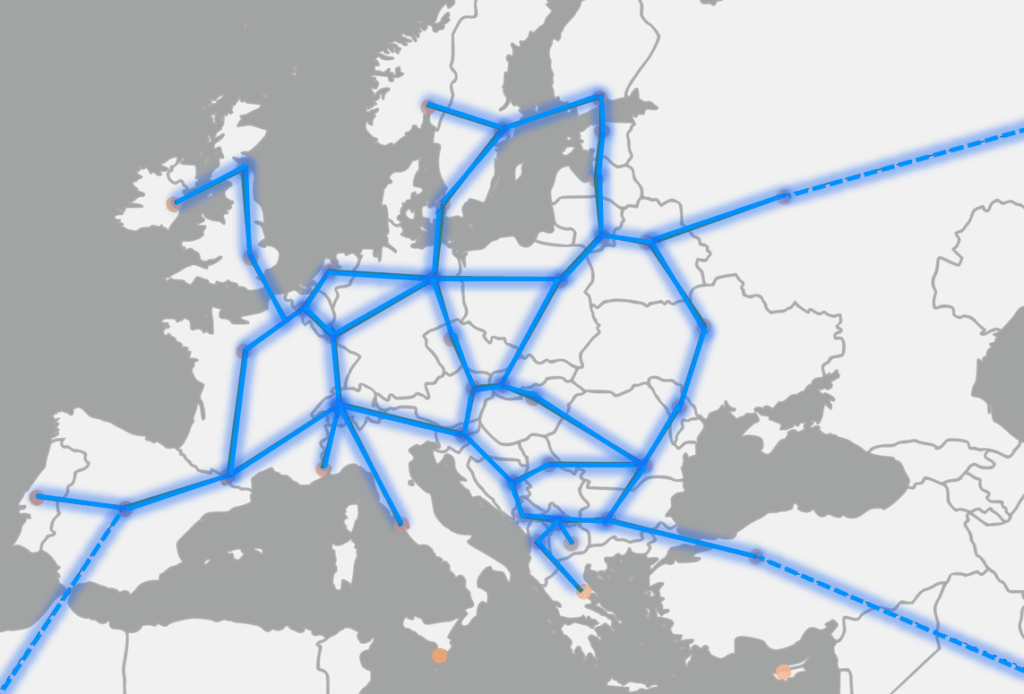
On February 11, 2020, a new milestone in hyperloop transportation was reached in Brussels. European countries banded together and agreed to create a joint technical committee (JTC) called JTC 20.
As part of the European Committee for Standardization (CEN) and the European Committee for Electrotechnical Standardization (CENELEC), the goal of this technical committee is to define, establish, and standardise the methodology and framework to regulate hyperloop travel systems and ensure interoperability and high safety standards throughout Europe.
The consortium of European and Canadian hyperloop companies responsible for driving the initiative around international standardisation comprises Hardt Hyperloop (from the Netherlands), Hyper Poland (from Poland), TransPod (from Canada, with offices in Italy and France), and Zeleros Hyperloop (from Spain).
Why is it important?
As the hyperloop industry continues to grow with increased interest and more players entering the market, the consortium expects there will eventually be many disparate approaches to standards and operational principles. The potential impact this may have on the interoperability of infrastructure, rolling stock, signalling, and other subsystems are substantial — it will become difficult and costly to transport passengers and freight from one country to another, due to dependency on the particular and unique hyperloop system adopted in each location.
By developing common standards, specifications, and approaches, JTC 20 will help to mitigate potential challenges to implementation across the continent.
How will it work?
The proposal for the creation of the technical committee was a joint effort by the national standardisation organisations of Spain (UNE) and the Netherlands (NEN). JTC 20 will comprise working groups focusing on various components of hyperloop systems including vehicle systems, tube infrastructure and components, overall infrastructure, and communications protocols.
The consortium of hyperloop companies responsible for initiating the creation of JTC 20, along with members from various national standardisation organisations and experts from a variety of industries, will participate in the working groups to lend technical and geo-specific expertise.
JTC 20 will not only comprise of working groups
Concurrently, a network of hyperloop research centres is already in the planning stages and is slated to begin operation in the next few years, in France, Poland, Spain, and the Netherlands. They will serve as research sites for the testing and validation of the technologies and standards coming out of JTC 20.
Following successful validation, the recommendations will be presented in a legislative proposal to be brought to the European Parliament and the Council of the European Union.
10.02.2020 Hyper Poland in London and the Middle East

Hyper Poland team isn’t slowing down. It can’t miss any valuable event regarding the future of transportation and startup investing holding worldwide. Check where Hyper Poland’s representatives will be soon.
The first stopis London. It’s a place where the European edition of MOVE will happen (11-12 February 2020). MOVE is by no means the world’s most important mobility event. It’s expected that 6k professionals, 800+ speakers, 300+ exhibitors, and startups from 85 countries will attend this fest. Hyper Poland will be involved in this disrupting dialogue. Przemek Paczos, CFO at Hyper Poland, will tell how his company wants to disrupt the railway.
A great business connector between Europe and the Middle East is OurCrowd Global Investor Summit in Jerusalem, Israel. On one hand, unlimited access to angel investing and equity crowdfunding big wigs are within reach. On the other hand, hi-tech, global innovations, and the Israeli spirit of innovation and entrepreneurship are looking forward to opening new opportunities for visitors. And that’s why Przemek Pączek, CEO of Hyper Poland, will be there too.
04.02.2020 Hyper Poland honoured by the Polish President
Unexpected recognition arrived recently to us. Invited by the Polish President’s Economic Chapter, Hyper Poland participated in an unusual event called Polska Wystawa Gospodarcza (Poland’s Economy Exhibition).
It’s a new exhibition format that was established by the Polish President Andrzej Duda. Its major aim is to showcase and disclose the latest outstanding achievements of the Polish economy to a wide audience in the country. Hyper Poland was one of several dozen Polish companies invited to take part in this prestigious event.
This exhibition in Stalowa Wola demonstrated the enormous potential of the Polish economy. Visitors could see what happened in the food industry and the medical sector as well as check out recent developments in heavy industry and innovation-led startups.
Hyper Poland’s stand caught the visitors’ eye because of its future of transportation concept.
At the Polish Economy Exhibition’s kick-off, Andrzej Duda granted special certificates to chosen companies as a form of appreciation for the participation of development of the Polish economy.
27.01.2020 This is why Hyper Poland banks on equity crowdfunding
Hyper Poland kicked off 2020 with an appearance at Forum of Finance and Investment in Warsaw, Poland. Besides being an exhibitor, Hyper Poland’s CEO took part in a debate about the pros and cons of different types of crowdfunding.
During a discussion panel entitled Crowdfunding – advantages and disadvantages. What should be taken into consideration when it comes to an investment in the public market? Przemysław Pączek shared experience by a startup that’s on the R&D stage, in fact. CEO of Hyper Poland mentioned a bunch of advantages when it comes to equity crowdfunding for this startup’s level. They are as follows:
- Allowing literally everyone to invest in a startup that is at an early stage.
- Flexibility in terms of the amount of money that investors can allocate: from dozen to even a dozen thousand euros.
- Strong investment awareness by backers and shareholders.
- Finance adaptation to level of startup development; gradually raising funds are associated with delivering achievable milestones.
- Diversification of finance sources.
- A presence of aftermarket on (at the moment) foreign equity crowdfunding platforms, basically.
It’s worth noting that Hyper Poland was the first Polish startup that set up and conducted an equity crowdfunding campaign outside the country – on UK’s Seedrs. During this campaign, it raised € 330k from 470 investors.
It wasn’t its last word, though. Soon, Hyper Poland will come back at Seedrs to carry out the second round of equity crowdfunding campaign. This time a raised funds will allow this Polish startup to fulfil own contribution of a grant from the National Centre for Research and Development in Poland) and boost business development internationally. Follow details at https://hyperpoland.seedrs.com/
2019
26.11.2019 Hyper Poland comes to Frankfurt
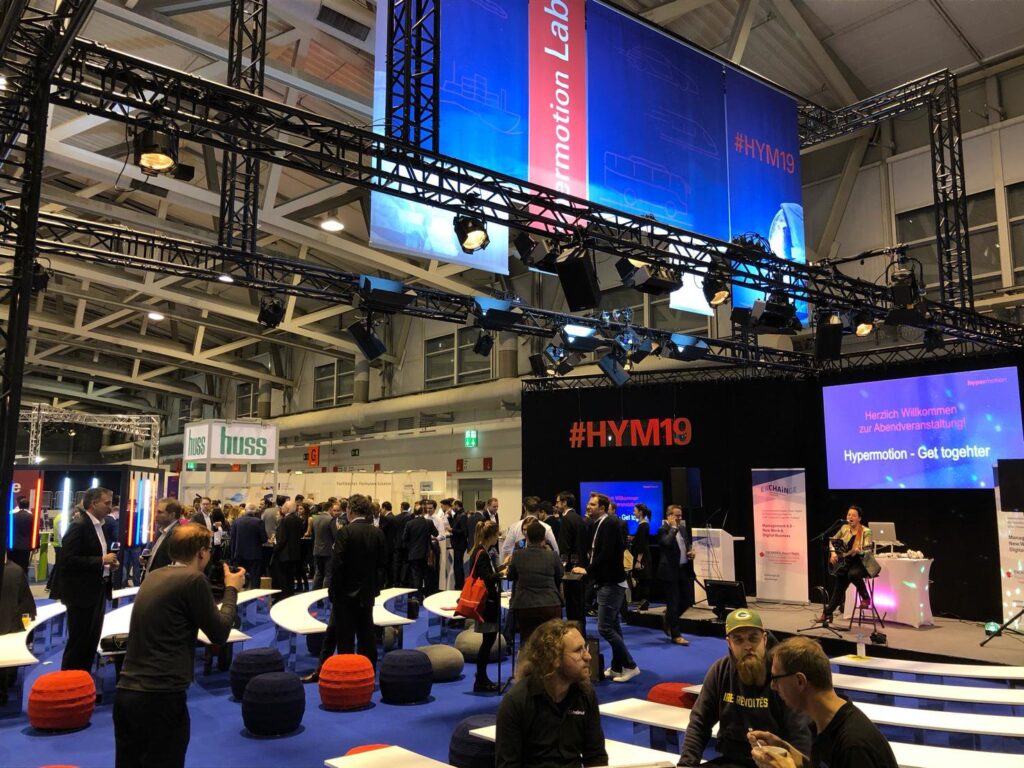
Today, Hypermotion, a key event for the mobility and transport sector, was launched in Frankfurt, Germany. From 26 to 28 November, 25 most promising startups representing this industry – including Hyper Poland – will showcase during this event.
The major mega-trends such as digitalisation, decarbonisation, autonomous vehicles are changing mobility and logistics at a rapid pace. By gathering game-changers, Frankfurt-based Hypermotion wants to be a one of its kind hub for these solutions.
It’s focused on providing disruptive ideas and the intelligent interconnection of different transport systems. Hypermotion’s multilevel business-focused format – a mixture of the trade fair, conferences, workshops, tech talks, and start-up pitches – ignites countless impulses encouraging to discuss and develop – together with all participants – groundbreaking ideas and solutions for the future of logistics, and mobility. For example, small and medium-sized companies, startups and corporations can meet with representatives of science, politics, and the associations.
Hyper Poland will take part in the „Rail meets Hyperloop” panel discussion which is slated on the third day of Hypermotion (November 27).
20.11.2019 Let's meet at Slush
An acclaimed as „the laboratory for new ideas” by the Wall Street Journal, Finland’s Slush is incoming.
This world’s leading startup event will gather 4k startups, 2k investors as well as 20k other change-makers, including Hyper Poland representative too, to Helsinki, Finland on Nov 21-22.
Hyper Poland’s participation in this European festival of technology, innovation, and entrepreneurship is possible thanks to being part of the third edition of InCredibles, a mentorship program led by Sebastian Kulczyk and dedicated to the young promising tech-entrepreneurs from Poland.
04.11.2019 Hyper Poland at Start Alliance Berlin: Future Mobility

From Nov 4 to Nov 8, you can meet us in Berlin, Germany.
We were invited by Start Alliance Berlin as one of 12 international mobility startups to take part in Start Alliance Berlin: Future Mobility, a program designed for future mobility-like startups in the world, especially for those that are a step further than idea/prototype stage.
22.10.2019 Hyper Poland revealed the latest transport technology
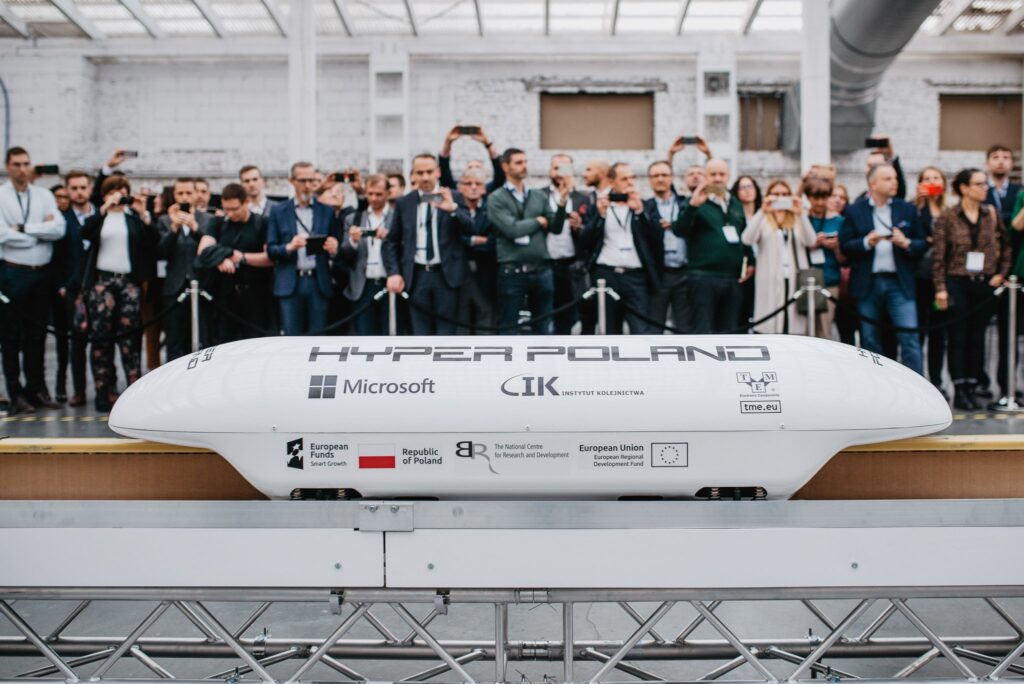
On October 22, 2019, a demonstration of magrail technology, a modern transport system developed by Hyper Poland, took place in Warsaw.
During the demonstration, the ride of a magrail vehicle on the test track was shown. The 48-meter track was made in a 1:5 scale. The maximum speed during this test was about 50 km/h, acceleration 6 m/s2 and deceleration 15 m/s2.
Additionally to tech presentation, Polish and foreign experts on supporting and financing innovative projects, logistics and railways took part in three discussion panels. Prof. Nalinaksh Vyas (Chairman of the Technology Mission for Indian Railways), dr Dorota Raben (the President of the Board (2013-2016) in Port of Gdansk Authority), Amos Ron (former Director General at the Ministry of Energy and Infrastructure of Israel) and dr Vladas Lasas (a Lithuanian entrepreneur who co-founded Carbon War Room together with Sir Richard Branson) were panelists, among others, who got involved in. Not to mention representatives of railway companies from Italy, Germany and the Netherlands as well as the Polish Railway Institute, the National Center for Research and Development, Microsoft, Seedrs and Transfer Multisort Elektronik – Strategic Partner of Hyper Poland – who shared their experience in supporting innovative technologies and their implementation in the rail industry.
The special guest of the event was Dr Mark Loughran, General Director of Microsoft Polska. During his speech, he emphasized that:
- First, there was a dream of the co-founders of Hyper Poland to revolutionize the way we travel. Later, as a result of a combination of talent, knowledge, determination and technology the idea transformed into a real project and its prototype we can admire during today’s presentation. Microsoft has partnered with this young enterprise along their quick journey towards business success. Hyper Poland is one of the beneficiaries of our global initiative Microsoft for Startups, a program supporting the most promising technology companies in the world and a recipient of a grant of 120,000 USD in Azure. Hyper Poland team has demonstrated true ODWAGA (courage) so far. I am impressed with the determination and courage of Polish technology innovators, who are clearly contributing to the growth of Polish Digital Valley.
Magrail is a magnetic rail system that uses existing conventional rail transport corridors. Both conventional trains and magnetically levitating vehicles can use the same railway track interchangeably. The magrail system can be fully integrated with existing rail infrastructure without the need to make changes to the existing rolling stock. On railway lines, where trains can move up to 160 kph/100 mph, magrail vehicles can reach speeds almost twice as high (up to 300 kph/187 mph) due to the use of magnetic levitation, electromagnetic linear motor, special tilting mechanism along with relatively low height and the low mass of the magrail vehicles.
Construction of Hyper Poland’s demonstrator enabled successful testing of the following subsystems:
- levitation and propulsion (checking compliance of levitation parameters and the linear motor with numerical models),
- electromagnetic compatibility tests (motor overload tests, dynamic tests)
- electronics (communication tests, sensor operation tests)
- mechanics (vehicle structure and track integrity tests).
Thanks to the results obtained during tests, it will be possible to design individual subsystems of a full-size system, more efficiently. In the second half of 2020 in Żmigród, at the premises of the Railway Institute will begin the construction of a full-size test track of the magrail system, the unique project by Hyper Poland. For this purpose, Hyper Poland has received a grant of EUR 3.8 million from the National Center for Research and Development in May this year.
Additional to this the event, a pre-registration page for the equity crowdfunding campaign was launched on Seedrs, where another round of funding for Hyper Poland will start soon.
25.06.2019 Hyper Poland in InCredibles program

After being cherry-picked by MassChallenge Switzerland, part of MassChallenge’s global network of zero-equity startup accelerators, into its 2019 accelerator, Hyper Poland received another great message, an invitation to join the 3rd edition of InCredibles – mentorship program led by Sebastian Kulczyk and dedicated for the young promising tech-entrepreneurs from Poland.
Hyper Poland takes part in it because of a partnership between InCredibles and major startup-related events taking place in Poland. One of them is the Start-up Challenge contest. During its 2019 edition – that was held at the 4th European Start-up Days in Katowice – Hyper Poland got the award in the “Tradition & Modernity” category (traditional industry, energy, telecommunications, transport, construction).
InCredibles’ setup is an array of tailor-made mentorship support. It consists of a lot of workshops dedicated to individual business needs as well as relevant startup-related international conferences. London’s Google for Startups Campus, among others, will be a place where InCredibles’ startups will participate in meetings with business partners, investors, and mentors.
The 3rd edition of InCredibles program will close its curtains this November at Slush, one of the biggest startup festivals in Europe.
17.06.2019 Hyper Poland in MassChallenge Switzerland
Hyper Poland was selected to participate in MassChallenge Switzerland 2019 acceleration program, to which over 900 startups applied.
Selected startups during the 4-month program implemented in Lausanne will have access to the best corporate partners, world-class mentoring from industry experts, and compete for the main prize of up to CHF 1 million.
MassChallenge is a global network of zero-equity startup accelerators. Headquartered in the United States with locations in Boston, Israel, Mexico, Rhode Island, Switzerland, and Texas, MassChallenge is committed to strengthening the global innovation ecosystem by supporting high-potential startups across all industries, from anywhere in the world. To date, more than 1,900 MassChallenge alumni have raised more than $4 billion in funding, generated more than $2.5 billion in revenue, and created more than 120,000 total jobs.
Learn more about MassChallenge at https://masschallenge.org.
13.06.2019 Success of the equity crowdfunding campaign

n the second week of June, we closed our equity crowdfunding campaign on the British platform, Seedrs. Initially, the aim was to collect €200,000. In total, €333,000 was received from 450 investors from 28 countries.
The equity crowdfunding campaign was kicked off in March. It took only seven days to raise €200,000 our initial estimated amount. It was possible thanks to 200 investors from 23 countries. The next step was to collect an additional 130,000 euro needed to build a 1:5 demo – necessary to research on a magrail magnetic rail that can run at 300 km/h using existing railway infrastructure.
Initially, we assumed that the campaign would last until June 2. However, due to the great interest in the project, we decided to extend it for another week. It turned out that it was a good decision.
Thank you to all investors!
31.05.2019 Hyper Poland with support from Microsoft
Hyper Poland received a grant of 120,000 USD as part of Microsoft for Startups, a program supporting the most promising technology companies in the world.
The funds will be used within 2 years for services under Microsoft Azure, which will accelerate the development of the unique technology developed by Hyper Poland. Previously, a similar grant received, among others Synerise, which currently works closely with the giant from Redmond.
The use of the Azure Platform, thanks to the use of efficient computing units (HPC) for simulation, will allow Hyper Poland to significantly improve the work on the magrail system. In addition, the cloud will allow verifying IoT solutions and machine learning implemented in the test infrastructure.
We would like to remind you that at the beginning of the year Transfer Multisort Elektronik became the Strategic Partner of Hyper Poland.
14.05.2019 Award at The European Start-Up Days
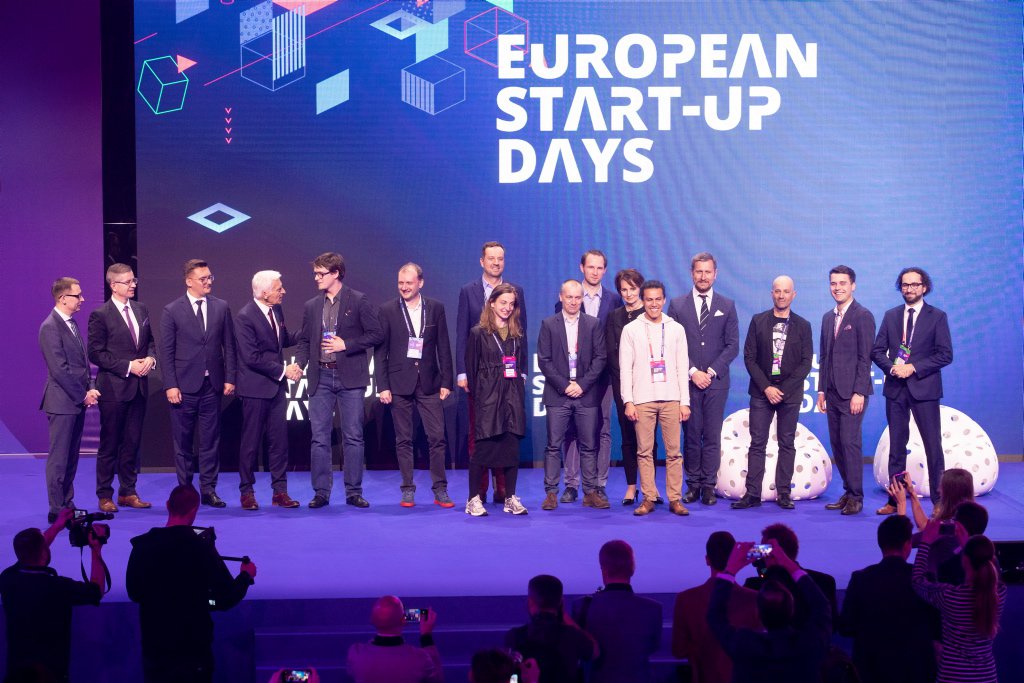
The record number of 300 start-ups from several continents participated in the Start-up Challenge competition. The authors of the 18 most interesting startups presented themselves in the Scale-up Alley – dedicated to the business visionaries of the Katowice Spodek space. From among them, the jury distinguished six most interesting startups in Poland. Their founders presented their ideas to the auditorium of the European Economic Congress, the largest business event in Central Europe.
The laureates were honored on May 14, 2019, during the gala crowning the first day of European Start-up Days. The accompanying event for the European Economic Congress in Katowice has been connecting young and mature businesses for four years.
Hyper Poland won in the TRADITION & MODERNITY category (traditional industry, energy, telecommunications, transport, construction). The jury was convinced by the innovative use of hyperloop technology, assuming gradual implementation on the existing railway network and a thoroughly planned research process. The advanced process of obtaining patent protection was also appreciated.
The co-host of the European Start-up Days is the City of Katowice.
More information about the European Economic Congress: www.eecpoland.eu
Detailed information on the European Start-up Days: www.estartupdays.eu
13.05.2019 16.5 mln PLN for the Polish hyperloop

We are proud to announce that we have obtained funding in the amount of PLN 16.5 million from the National Center for Research and Development in the Fast Track business competition.
Funds from the NCRD will be used for research and development on motors and suspension, in all three stages of development of the hyperloop technology. We will also build benches and test linear motor and magnetic levitation. In a further stage, in Żmigród, Poland, on land belonging to the Railway Institute, we will build a full-scale prototype of the magrail vehicle and a test track over 500 meters long, on which it will be able to accelerate to 300 km/h.
„Thanks to co-financing, R&D works necessary for the development of the hyperloop magnetic technology will be accelerated significantly. We will be able to build a full-sized test track. In addition, we will buy the necessary equipment and enlarge our team with outstanding specialists. The grant from the NCRD will enable us to complete the research and development work on the motor and suspension of the magrail system and the transition to certification and pilot implementations.” says Przemysław Pączek, CEO of Hyper Poland.
18.04.2019 The first million zloty for the hyperloop demonstrator!

Already more than a million Polish zloty (approx. 234.000 euro) is on the account of our international equity crowdfunding campaign. Until now, 325 people from 28 countries have invested, obtaining shares in Hyper Poland.
Hyper Poland’s partner in collecting funds for the construction of a levitation vehicle demonstrator is the British Seedrs platform. It was here that Revolut, one of the most-known startups in the fintech industry, began. We collect funds for the construction of a technology demonstrator – a levitating vehicle model, which in mid-2019 is to be presented to the public.
We chose the Seedrs platform because we wanted to check ourselves not only in Poland but also in the international environment. In addition, equity crowdfunding as a form of financing innovative projects is very popular in Western Europe, in Poland this form of financing startups is just gaining popularity – says Przemysław Pączek, CEO of Hyper Poland.
More info: https://www.seedrs.com/hyper-poland
10.04.2019 Equity Crowdfunding: How to Start and Why It is Worth?

Equity crowdfunding is a fast-growing form of financing innovative projects and startups. What is it for and how to start? Here are some tips.
- Investment or philanthropy?
Both. The main purpose of equity crowdfunding is to get funds by a startup to develop their project. As a rule, it is something new, an innovative idea or technology that requires support at the initial stage of development. But there is also the other side of this coin. Equity crowdfunding is not a charity. Because everyone who pays even the smallest possible amount becomes a co-owner of the business by obtaining a small number of shares in the company. - Can you make money from it?
It depends. Nobody is able to guarantee that a specific young company or startup will definitely succeed. Many ideas over time are brutally verified by the market. Companies that succeed, after a few years are a few, a dozen or even several dozen times more worth than when they started equity crowdfunding. This is the moment when the symbolic number of shares received in exchange for support can reach a specific, measurable value and be sold with a large profit. - How can I sell my shares?
This option is possible on crowdfunding platforms like Seedrs, where the ability to buy and sell shares between investors is currently being tested. As a rule, the best opportunity to free yourself from the shares will be the moment when the company will transform into a joint-stock company and enter the stock market or will be sold entirely to a large industry investor. - Where to look for projects?
There are many equity crowdfunding platforms, we have chosen the oldest and most experienced platform in Europe: Seedrs (www.seedrs.com). It is a British platform thanks to which 788 startups (including Revolut) from around the world have already acquired nearly 650 million euros from investors! Seedrs was recognized in 2018 as the most trusted platform in the world. - How much to start with?
It’s up to you and you should think carefully before you make that decision. Equity crowdfunding treated as an investment is at high risk. It is an investment at a very early stage of the company’s development, which means that on one hand, the risk is very high, but on the other hand, if the company succeeds in achieving its success and multiplies its value – the investor also contributes to this success. It is worth to read the rules and information on the website, for example, at www.seedrs.com and to make decisions with your head, diversifying your wallet.
08.04.2019 7 applications for patent protection

We are pleased to inform that we have filed 7 applications for patent protection of developed solutions. Protected will be, among others, a technology developed in Poland to adapt conventional railway lines to enable magnetic trains to move on them.
We are a company founded by a group of Polish engineers who are successful in international competitions for hyperloop vehicles. After the prizes in competitions in Los Angeles and Dubai, we set up a company whose aim is to apply the vacuum technology of the magnetic railway in the existing railway infrastructure. To put it simply: we want high-speed trains that use the phenomenon of magnetic levitation to go on regular tracks in a few years.
– Our solution is unique because we were the first to develop a complete technology for modernization of existing railway tracks in such a way that ordinary trains and vehicles using passive magnetic levitation could move on them – explains Paweł Radziszewski, CTO of Hyper Poland.
We want to achieve this goal by installing special overlays on existing tracks, which on one hand do not interfere with conventional trains, and on the other, they are an element necessary for levitation of the magnetic railway. Our technology is in the process of obtaining patent protection.
– Such a hybrid approach required us to solve a few problems related to, among others, switches. Three patent applications from the notified pool concern precisely the integration of hyperloop technologies with existing railway lines – says Paweł Radziszewski.
We also proposed the proprietary design of the vehicle’s tilting mechanism. The mechanism developed by Polish engineers is to allow safe movement of arcs at speeds of 40% to 60% higher than conventional trains. As a result, magrail (a project of our magnetic railway) on currently existing railway lines will be able to reach up to 300 km/h.
Another patent application submitted concerns elements of a linear motor. We managed to develop a technology to build an engine that drives magnetic trains, which will allow to build them much cheaper and faster than the competition does.
– Protecting intellectual property is a key issue for us. There is a world race for who will create a complete hyperloop technology, so cheap that its implementation will bring measurable economic results. We see our chance in being ready to transfer our technologies to magnetic rail projects around the world – explains Przemysław Pączek, CEO of Hyper Poland.
04.04.2019 Cooperation between Hyper Poland and the Faculty of Transport, Warsaw University of Technology
The Management Board of Hyper Poland and the authorities of the Faculty of Transport of the most prestigious technical university in Poland, Warsaw University of Technology, have signed a letter of intent regarding the cooperation between the company and the university.
The main objective of the cooperation is to jointly conduct research and development works in the field of modern means of transport, in particular, the conventional railways, the magnetic railway, and the vacuum railway. The plans include also the joint acquisition of research grants for R&D and development of transport technologies.
– Warsaw University of Technology is the alma mater of the greater part of our technical team. Cooperation with the Faculty of Transport of the Warsaw University of Technology is not only an opportunity to exchange knowledge and different experiences, but also to look at selected issues and problems related to transport technology from two perspectives: scientific and business – says Przemysław Pączek, CEO of Hyper Poland.
03.04.2019 WOLF 3D partners with Hyper Poland
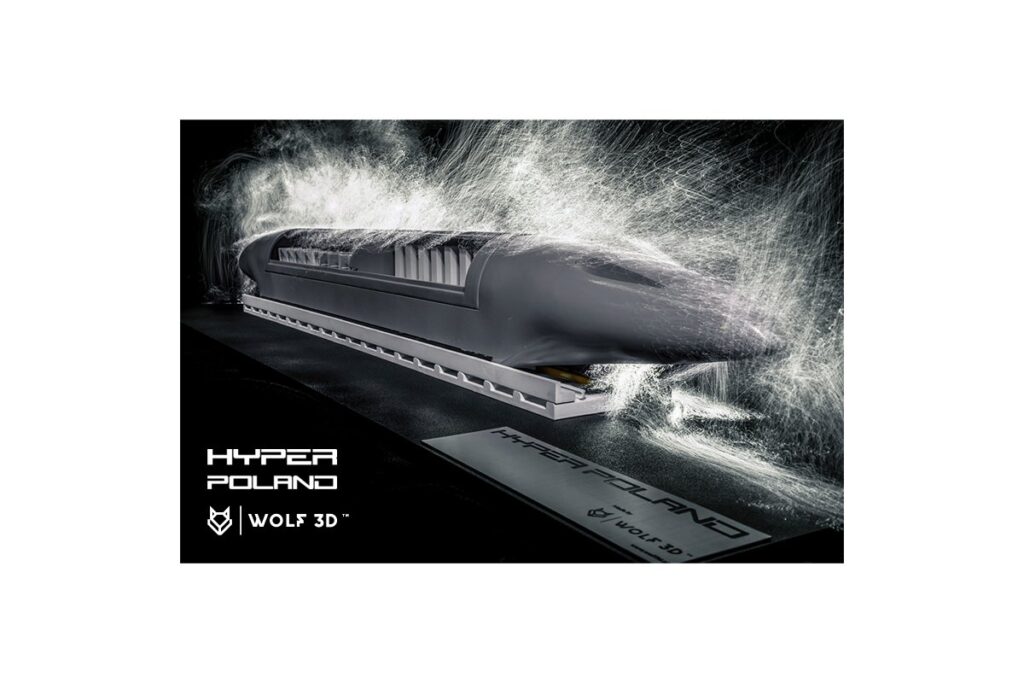
WOLF 3D, a company specializing in providing solutions related to spatial printing technology, became a partner of Hyper Poland.
WOLF 3D specializes in providing solutions related to 3D printing technology. The company manufactures printing materials, constructs large-size machines, provides design and 3D printing services, offers accessories and tools for processing and creates printed utility art. The experts employed in WOLF 3D share their knowledge by training subsequent specialists in the field of 3D printing thanks to the „3D Academy” conducted at the Warsaw University of Technology.
WOLF 3D has the largest machine park in Poland with over 100 machines for 3D printing. This is where the latest mockup of Hyper Poland’s vehicle was made. It is presented at trade fairs and industry conferences in Poland and abroad.
01.04.2019 Hyper Poland at Hannover Messe 2019 - the largest technology fair in Europe
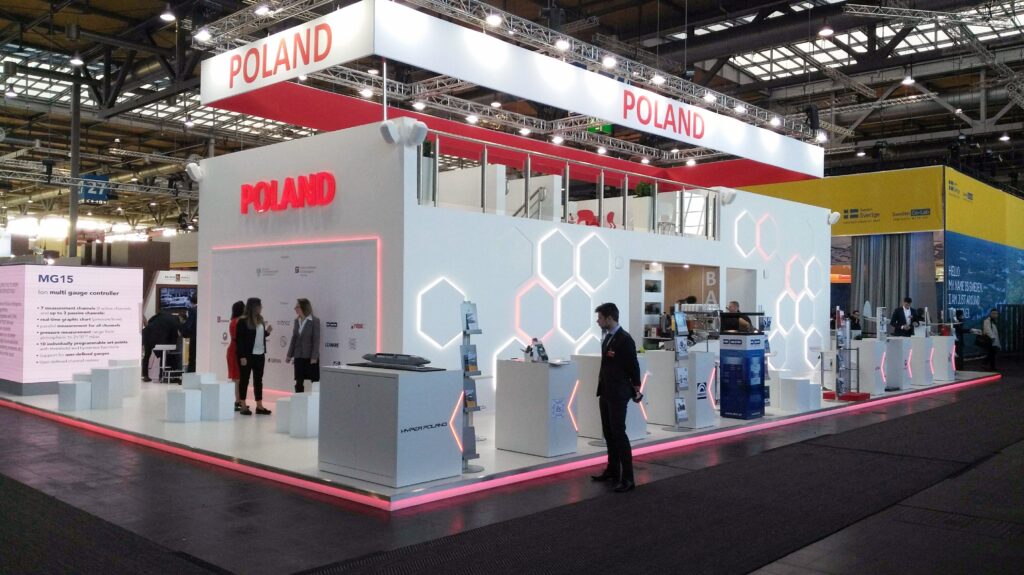
Hyper Poland will be one of 20 Polish companies designing solutions for the industry using artificial intelligence, which has been awarded an invitation to participate in the Polish national stand organized by the Polish Investment and Trade Agency.
The Hanover Fair is a great opportunity for long-term promotion of Polish projects on the international arena. We show that Poland is the source of the latest technologies – said Deputy Minister of Entrepreneurship and Technology Tadeusz Kościński, who opened the Polish National Stand on Monday.
The Hannover Messe trade fair organized since 1947 is the largest trade fair event in the world’s industrial sector. Every year, the event attracts over 220,000 visitors and 6,500 exhibitors. During the weekly trade fair, there are over 1,400 events: the premiere of products, conferences, debates or workshops. The fair is used to present the latest trends and production technologies.
The theme of this year’s fair is the use of Artificial Intelligence (AI) in industry 4.0, and the event is held under the slogan of „Integrated Industry – Industrial Intelligence”.
27.03.2019 100% funded in 7 days and growing Hyper Poland extends equity crowfunding and provides next projects
It took only seven days for Hyper Poland to reach its target in the equity crowdfunding campaign that began on March 20. Originally, the company planned to obtain 200,000 euros from investors to build a small-scale test model and a 48-meter track. This goal was achieved in an extremely short time, therefore a decision was made to continue crowdfunding. Thanks to additional funds, the company plans to accelerate further tests and the construction of vehicle prototypes inspired by hyperloop technology.
– This is great news! When we started equity crowdfunding, we hoped that our goal, 200,000 euros, will be achieved in a few weeks. Involvement of investors from 23 countries exceeded our expectations. The entire amount was paid in just 7 days! Thank you for your commitment and we inform you that this is not the end of the campaign – says Przemysław Pączek, CEO of Hyper Poland.
Such a great interest meant that the company decided to continue equity crowdfunding, and thus increase the pool of shares that can be acquired in exchange for financial support.
Another goal is EUR 330,000. If they manage to obtain such an amount, in addition to building a 1: 5 test vehicle model, Hyper Poland will additionally build a full-sized levitation rig. Thanks to this, the company will be able to accelerate laboratory tests and tests of magnets, which will be used in a full-scale prototype, which the company plans to build in 2020.
20.03.2019 Hyper Poland wants to collect 200 000 EUR for building a levitating prototype

Hyper Poland, a Polish startup working on the development of magnetic rail technology, begins equity crowdfunding on the British platform Seedrs. From enthusiasts of new technologies from around the world, they want to achieve 200,000 Euros in this way, which the company will allocate to the test vehicle model, which will levitate above the tracks.
– We are starting a completely new stage, which will soon be the first rail vehicle in Central and Eastern Europe that will be able to move using the phenomenon of passive levitation – declares Przemysław Pączek, CEO of Hyper Poland. – In 2018, we focused on research, calculations and computer simulations that resulted in the submission of 6 patent applications for propulsion and motor technology of a hyperloop vehicle. In the first half of 2019, we will build a model that will confirm our theoretical assumptions. You will be able to see the effectiveness of the technology developed by us.
The company wants to finance the construction of the first prototype from the equity crowdfunding that is just starting. It is a world-renowned model of financing innovative technology projects. People interested in the company and its project deposit different amounts via a special platform, and in return receive shares in the company. In this way, they become a co-owners of a well-to-do business whose value may grow in a few years. The collection of this type organized by Wisla Krakow has recently been a great success. Funds needed for the development of tools based on blockchain technology were also acquired this way by MC2 Innovations, a company belonging to the former minister of digitization, Anna Streżyńska.
Equity crowdfunding, on one hand, is a way for ambitious startups to raise capital from multiple small investors, but on other hand is opportunity for non-professional investors to put capital and get shares of non-listed private companies – says Antony Thikonov, Business Development Manager from Seedrs, one of the most popular equity crowdfunding platforms in the world, which is a partner of Hyper Poland in this project.
What is the timeline of the first ever levitating rail vehicle built in Poland? In March, the team of engineers from Hyper Poland will start assembling the first test model. It will be a technology demonstrator built on a 1:5 scale. Such a reduced model is needed to check the operation of the motor and magnetic suspension.
– The purpose of this test is to show that the foundations of our technology work. The demonstrator’s tests will be based on a short vehicle moving along the track. In this section, the vehicle will accelerate in succession, drive at a constant speed and brake, while at a certain speed – it will also automatically levitate. We will check whether we can achieve the assumed capsule performance, speed, acceleration, engine performance parameters such as maximum power and power consumption as well as the operation of the levitation system – explains Paweł Radziszewski, CTO at Hyper Poland.
At the turn of 2019 and 2020, the company is planning another test. This time, a vehicle will be built with target dimensions that will move levitating along the usual railway tracks. Hyper Poland as the only company in the world has developed a way to adapt existing, normal railway tracks to the needs of levitating, magnetic railway vehicles. The technology developed in Poland is intended to allow ordinary trains and super-fast magnetic trains to interchange in existing railway corridors. Such implementation of Hyperloop technology is to be several times cheaper than in the original idea, assuming the construction of vacuum infrastructure from scratch.
19.03.2019 TME will help in the construction of the Polish hyperloop
A well-known company from Lodz has become a strategic partner of Hyper Poland, a Polish company developing the technology of vacuum magnetic railway. We will see the effects of this cooperation in just a dozen or so weeks.
Transfer Multisort Elektronik is one of the largest global suppliers of electronic components, electrotechnical components, workshop equipment, and industrial automation. This is a generational family business that, since its inception in 1990, has grown into one of the key players in its industry in the world. Today, TME sends over 5,000 shipments daily to nearly 150 countries around the world.
Hyper Poland is a startup known for its successes in developing Hyperloop technology. The Polish team has been awarded many times in the past few years for their projects at competitions, including in the USA and Dubai. In 2019, the company plans to show the first test vehicle model on which a team of engineers and designers is currently working.
– In a dozen or so weeks we will be ready for a public demonstration of the technology we have developed. In the beginning, we want to show the 1:5 model of the vehicle which will move on the railway track modified by us using the phenomenon of magnetic levitation. In the next step, we will start building and testing a 1:1 vehicle – explains Paweł Radziszewski, CTO of Hyper Poland. – Cooperation with TME is an important step in the construction and implementation of the magnetic railway according to our design. The highest quality electrical components and components that TME provides us will guarantee the correct operation of the devices designed and built.
Unlike other companies dealing in hyperloop technology in the world, the Polish company is planning a gradual transition from a standard railway to a vacuum magnetic railway. Hyper Poland engineers have developed a system for modifying existing railway tracks, thanks to which traditional trains, as well as vehicles using magnetic levitation and reaching speeds of 300 km/h, can move on them. In the next step modified railway tracks will be covered with a vacuum cover, and after lowering the air pressure, the speed will increase to 600 km/h.
13.03.2019 Hello Tomorrow Global Summit in Paris with the participation of Hyper Poland
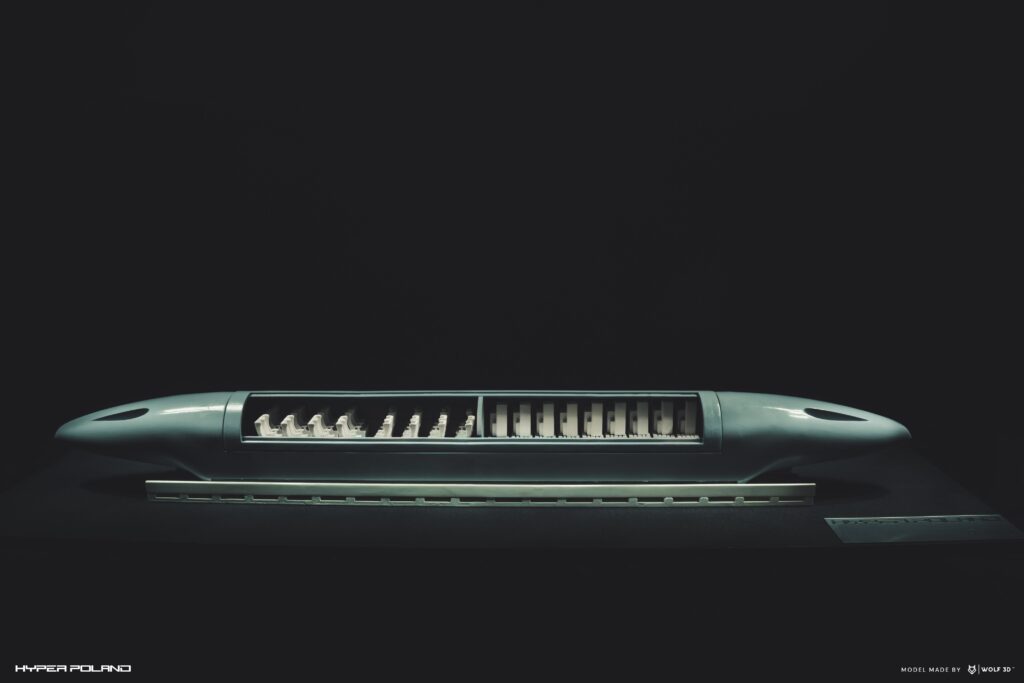
Innovation leaders, entrepreneurs, and the scientific community met on March 12 and 13 in Paris at the annual technology congress Hello Tomorrow. Hyper Poland has been invited to participate in this event.
– Hello Tomorrow is an amazing event that gathers business representatives, academia and decision-makers from the world of politics and administration in one place. This is a place where investors look for new business opportunities, and startups exchange experiences and establish business relationships. The design of the magnetic rail capsule presented by Hyper Poland in Paris was well received, we answered many questions related to what we do in Poland. Many people were surprised by the fact that the Polish company is conducting such an innovative and technologically advanced project – reports Tomasz Kublin, Head of the Electromagnetic Team Hyper Poland.
12.03.2019 The Polish national stand at the MIPIM fair in Cannes with the participation of Hyper Poland
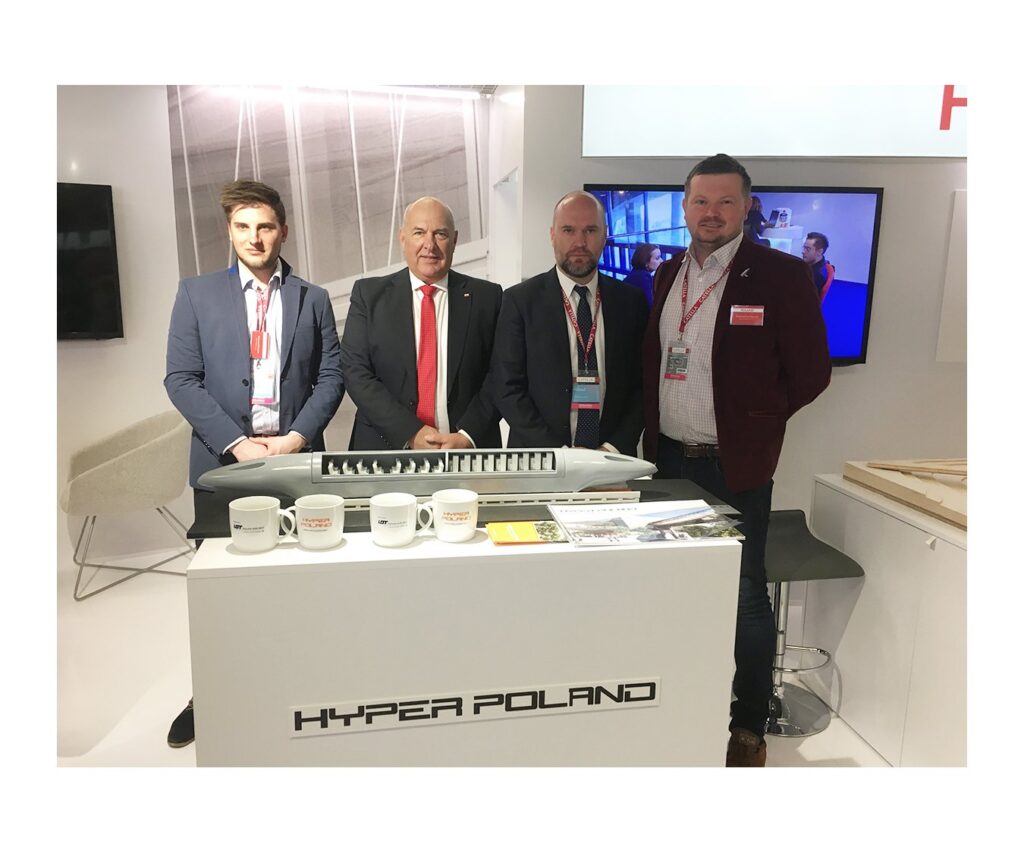
In Cannes, France begins one of the most important events in the real estate and infrastructure sector in the world: MIPIM 2019 – the worlds leading property market. The Polish Investment and Trade Agency has prepared a national stand where selected Polish companies and regions will present themselves. Hyper Poland was invited to participate in this event as an example of an innovative Polish company that will influence the future rail infrastructure and transport, which are key influencers shaping the urbanization processes and local real estate markets.
MIPIM 2019 is one of the largest and most prestigious sector events in the world. For three decades, the event has been taking place at the Palais des Festivals in Cannes. The MIPIM fair attracts key entities operating on the real estate market, in particular investors, city and regional authorities, architects, developers, companies from the logistics and transport sector, and industry organizations.
Last year, more than 26,000 participants from 100 countries took part in MIPIM, including 5,400 investors and financial institutions, 4,800 developers, 2,000 architects, 3,800 representatives of the management team and representatives of 560 cities and regions. The event serves to present new products and debate on global industry trends. Poland is one of the TOP 10 most-represented countries at MIPIM.
05.03.2019 Hyper Poland in the innovation zone of the Rail Live congress in Bilbao
Over 1500 experts from over 100 companies from Europe, the USA, and Asia announced their presence on 6-7 March at the Rail Live in Bilbao. The Spanish conference is growing into one of the largest events in the world gathering in one place the largest railway companies, railway infrastructure managers and rolling stock manufacturers. Hyper Poland will take part in the event for the first time.
At the invitation of the organizers, Hyper Poland will have a stand in the innovation zone – the space intended for projects of the future of the railway industry. Polish company working on a hyperloop-inspired magnetic rail technology will also hold a presentation to explain to investors and managers of the railway industry the assumption of a three-phase commercial implementation of Hyperloop technology based on existing railway lines.
02.03.2019 Pioneers mobility in Munich: A debate on the future of hyperloop in Europe
When will we board the hyperloop? This is one of the key questions that the participants of the debate at the Pioneers Mobility conference in Munich have answered. The representatives of European companies working on this technology were invited to discuss the future of the vacuum magnetic rail in Europe. Hyper Poland was represented by Kasia Foljanty, Ph.D., Head of Architecture and Urban Planning.
Taking into account the existing limitations related to legal regulations, financing, the need for standardization of new transport technology, the real time for the implementation and commercial application of hyperloop technologies in Europe, it is the end of the second decade of the 21st century – says Kasia Foljanty – The benefits of this implementation are measurable and will have a significant impact on the economies of the European Union. For example, the use of Hyperloop technology in the transport industry will reduce the number of trucks that dominate in cargo transport in Europe. This means less air pollution, less noise and road wear, fewer traffic accidents. Increasing the speed of transported goods also gives completely new opportunities for economic growth, especially for the countries of Central and Eastern Europe.
01.03.2019 Hyper Poland is one of the 50 best startups in Europe!
A Polish company working on the development of a magnetic railway project inspired by Hyperloop technology has been recognized as one of the best startups in the mobility sector in Europe. As part of the European Startup Prize for Mobility initiative, 565 companies from all over Europe were evaluated this year. Hyper Poland is the only company from Poland that got to the final.
European Startup Prize for Mobility is an annual plebiscite, during which the best-promising business projects in the mobility sector are identified. The initiators of the award are Via ID, a French startup accelerator, the Boston Consulting Group, a world-known consultancy company and Karima Delli, the chairwoman of the European Parliament’s Committee on Transport and Tourism (TRAN). The partner of the initiative is the European Commission.
– We have proof that we are going the right way. We are pleased by the recognition of a jury composed of representatives of the mobility sector and experienced investors, the more that in this field we compete with companies from Western Europe, where there are much more developed, institutional forms of support for innovative projects – comments Przemysław Pączek, CEO of Hyper Poland.
Hyper Poland is a young Polish company founded by engineers associated with the Warsaw University of Technology. In the years 2016-2017, the Hyper Poland team was awarded several times in competitions for hyperloop vehicles organized in Los Angeles and Dubai. For two years, the company has been developing its own technology project inspired by hyperloop. The Poles propose the implementation of the new technology in three stages: first, they want to introduce a magnetic railway for commercial use that will be able to move at speeds of 300 km/h on already existing railway lines thanks to tracks’ modifications designed by Hyper Poland.
28.02.2019 Hyper Poland at move: Mobility Re-Imagined in London
It was an intensive two days to the brim filled with presentations and discussions on transport, mobility, innovation and new technologies. The Move: Mobility Re-imagined conference in London, which took place on February 12-13, included 2,888 participants from 74 countries around the world.
The London conference gathers representatives of the largest companies from the automotive industry and the railway industry in one place, as well as startups developing the latest transport technologies. At this prestigious event, Hyper Poland representatives could not be missing. Przemysław Pączek, CEO of Hyper Poland and Krzysztof Pasierb, the company’s Chief Analyst, participated in the discussions on the future of transport. Hyper Poland was also one of the exhibitors at this event.
21.01.2019 Hyper Poland with the award of the Polish Electricians Association
The prize in the competition was awarded in four categories: innovation, entrepreneurship on the global market, support for Polish science and business, and promotion of the Polish brand. Hyper Poland has been awarded in the category of innovation.
The aim of the competition Elektrolaur Mazowsza is honoring people and companies, as well as honoring the achievements of entrepreneurs in Poland based on innovative ideas and knowledge and using the achievements of modern technology. As a result, projects and their implementation were selected, based on unconventional activities and creating the value of the product, services, and technologies that make up the smart specialization program in the country.
The organizer of the Kazimierz Szpotański Elektrolaur Mazowsze Award is the Warsaw branch of the Association of Polish Electrical Engineers.
2018
11.12.2018 Polish hyperloop close to cooperation with the Spanish railway
Hyper Poland, a Polish startup developing hyperloop technology, got to the final of the TrenLab competition – the Spanish Railway acceleration program. The Polish company was selected for the final fifteen of 240 innovative projects from companies from around the world.
TrenLab is an initiative created by Renfe, Spanish Railways. Its goal is to shell out the best and most innovative projects related to transport, rail, and telecommunications. From the final 15 projects, Spanish experts will choose the best three companies in Madrid on December 12, which will immediately sign a six-month contract with the Spanish Railways. The prize in the competition is not only money for the further development of the project, but also know-how and technological support from the Spanish Railways.
– This is a significant distinction and confirmation for us that we are going the right way – comments Przemysław Pączek, CEO of Hyper Poland. – The technology developed by us for the three-stage implementation of the hyperloop based on the existing railway infrastructure met in Madrid with considerable interest. Spain is one of the most committed to hyperloop countries in Europe.
In contrast to other companies in the world that work on the technology of hyperloop, or magnetic vacuum rail, Poles do not plan to build a vacuum tunnel from scratch. Hyper Poland engineers have found a way to adapt already existing railway tracks to the needs of the magnetic railway. Thanks to that, in just a few years Polish magnetic trains could start traveling around Polish and European railways at a speed of 300 km / h. Importantly, such a modification does not change the basic function of the railway track and normal trains can still move on it. Only in the second stage of the project, Polish engineers want to cover the tracks with a prefabricated cover and reduce the air pressure inside to virtually zero. Eliminating air resistance would double the speed of movement to 600 km / h.
– On a train moving under normal conditions at a speed of about 160 km / h, air resistance causes a loss of 80% of the energy generated by the engines. Magnetic vacuum train moving four times faster than regular trains, will consume only one-fifth of the energy that conventional rail needs – says Przemysław Pączek. Hyper Poland is a company founded by Polish engineers. Part of the team currently working on the magnetic vacuum rail prototype has already been successful in international competitions for Hyperloop vehicle models. In the first half of 2019, Hyper Poland is planning a test drive of the vehicle model that the team in Warsaw is currently working on.
08.10.2018 DR. VLADAS LAŠAS: another expert in Hyper Poland
The composition of the Advisory Board of Hyper Poland has been extended to four people. Dorota Raben, Amos Ron, and prof. Jacek Gieras were joined by Vladas Lašas, a well-known Lithuanian scientist and entrepreneur.
Vladas Lašas is passionate about science and new technologies, he is involved in numerous innovative projects. In 2009 he was invited by Sir Richard Branson to co-create the Carbon War Room initiative, a non-profit organization aimed at promoting the development of low-emission technologies. In 2012, he was awarded the Oslo Business for Peace Award by an independent committee of Nobel laureates.
He is a co-founder and co-owner of numerous companies operating in the logistics industry and new technologies.
27.09.2018 Hyper Poland at Hello Tomorrow in Budapest: The future of autonomous & e-mobility
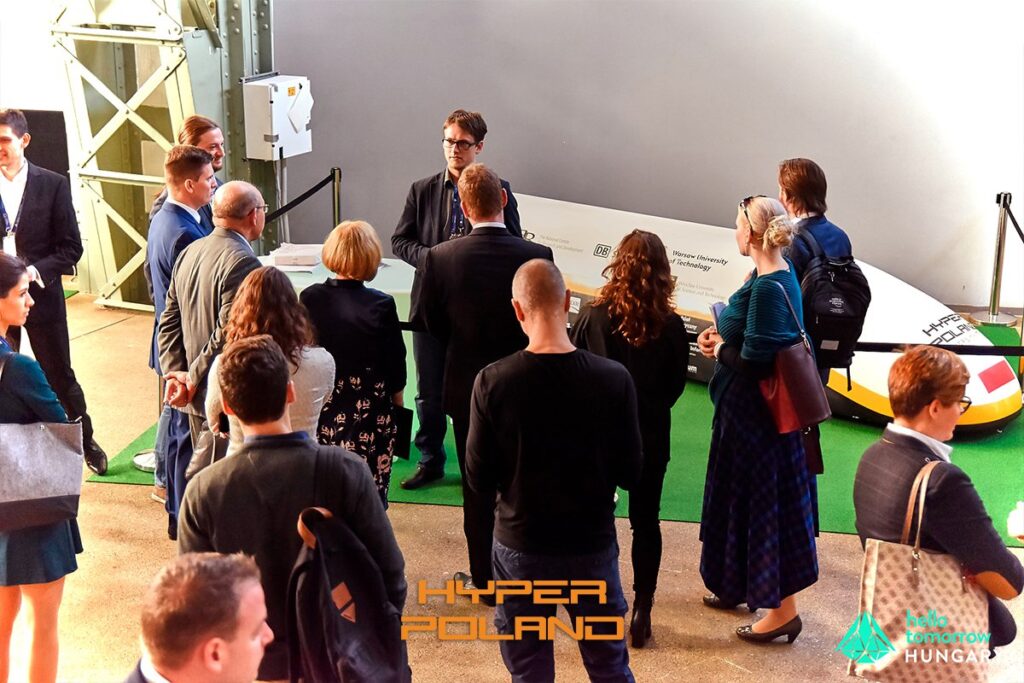
Experts from the Hyper Poland team presented the ideas and achievements of the company at the largest event of this type in Central and Eastern Europe. Hello Tomorrow is an event gathering in almost one place almost all major enterprises in the region involved in the development of technologies related to electromobility. Thanks to Hyper Poland, the participants of the event were able to come into contact with the Hyperloop technology.
– Hungary is at the intersection of several key European transport corridors. It is also the country in which the automotive industry has a significant share, hence Budapest has shown a great interest in our project and the opportunities offered by new technologies in the field of electromobility – comments Paweł Radziszewski, CTO Hyper Poland.
12.09.2018 CEO of Hyper Poland among the speakers of Impact Mobility Revolution'18
Przemysław Pączek, CEO of Hyper Poland, took part in a discussion on the future of transport and the role of new technologies in the modern economy.
Impact mobility rEVolution’18 is Poland’s largest congress devoted to mobility, transport industry, and advanced technologies. 400 companies, 200 start-ups and 150 speakers from around the world. Hyper Poland was the only Polish startup invited to participate in the discussion during the panel devoted to the future of transport.
Read more
04.09.2018 Hyper Poland at the Economic Forum in Krynica
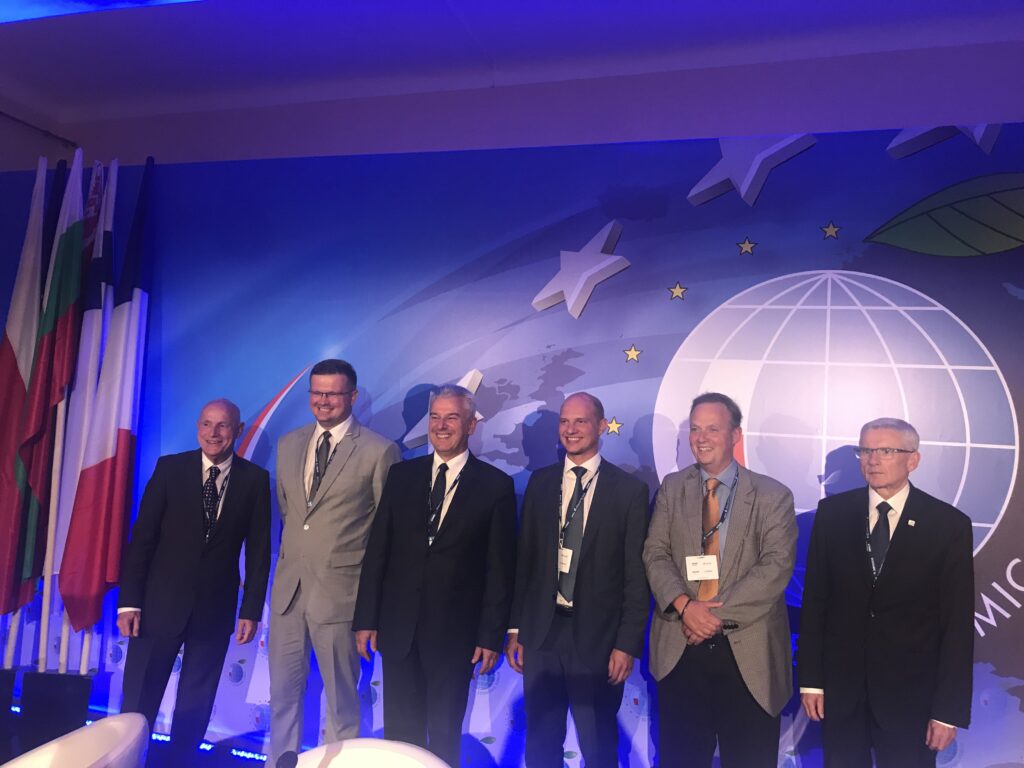
Hyper Poland is one of sixteen young Polish technology companies awarded with an invitation to Startup Session, which will take place during the oldest and largest economic event in Poland. The Economic Forum in Krynica has been attracting leading entrepreneurs, politicians and representatives of business media for years. Called Polish Davos, every year it hosts 4,000 participants and from Europe, Asia, and the USA.
During a few days, participants of the Forum listen to discussion panels on the most important economic problems. This year, for the first time, a special session devoted to the most promising Polish startups was planned. Among the 16 companies selected by the organizers was Hyper Poland, a Polish company working on the development of Hyperloop technology, initiated in 2013 by Elon Musk, President of SpaceX.
01.08.2018 Grzegorz Świątek joined Hyper Poland

Grzegorz Świątek from the Warsaw University of Technology joined the mechanical team working on the construction of the Polish hyperloop. In Hyper Poland will deal with the construction of the Hyperloop vehicle frame.
Grzegorz Świątek studied Aviation and Cosmonautics at the Faculty of Power and Aeronautical Engineering at the Warsaw University of Technology (specialization: Air Ships). For 2 years he was a member of the Student Vehicle Aerodynamics Circle, with which he twice won second place at the international Shell Eco Marathon competition (Rotterdam 2015 and London 2016). He dealt with the braking system there, he was a recruiter mentor during recruitment to the circle and he also managed a group of people during work on the modification of the plating.
In 2016, he began working with the Hyper Poland University Team, where he was a member of the team dealing with the mechanics of the braking system. In 2017, he took part in the final of the SpaceX Hyperloop Pod II competition in Los Angeles, to which the Polish team was selected from over 1000 applications. He is the author of the external design of the capsule body, presented in the USA.
Grzegorz Świątek is a laureate of the scholarship of the Minister of Science and Higher Education for outstanding scientific achievements.
13.07.2018 Professor Jacek Gieras is an advisor at Hyper Poland
Prof. Jacek Gieras, an expert in the field of electrical machines, drives, electromagnetism, power systems, and aviation systems and electrical components, has joined the Advisory Board of Hyper Poland.
Professor Jacek F. Gieras worked at the universities in Canada, Jordan, South Africa, Italy, Poland, he was also a visiting professor at the Department of Transportation Systems Engineering at the University of Tokyo founded by the Central Japan Railway Company, where he conducted research, among others above the magnetic rail and trains driven by linear motors. In addition, prof. Gieras is a member of the American organizations IEEE and UTC Aerospace Systems.
03.07.2018 LOT official carrier of Hyper Poland
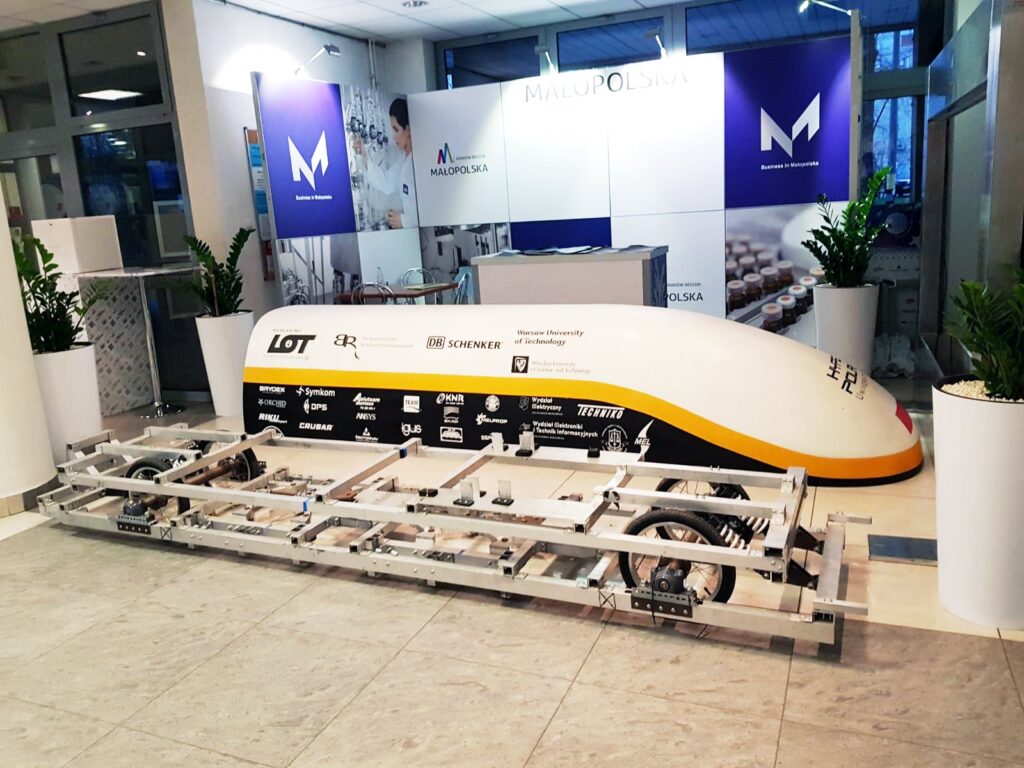
LOT Polish Airlines and Hyper Poland have entered into a cooperation agreement. The largest Polish air carrier will support a young company developing hyperloop technology in activities carried out in an international environment.
– It is an extremely important step. LOT is a company with an extremely long tradition and one of the strongest brands in the aviation market in Europe. We are particularly excited about acquiring such a partner – says Przemysław Pączek, CEO of Hyper Poland.
Both companies have cooperated before. In 2017, LOT took care of reliable and safe transport of the hyperloop pod prototype to the USA, for a competition organized by SpaceX, a company founded by Elon Musk. The Polish project was awarded and went to the final of the competition.
21.06.2018 Dorota Raben and Amos Ron in the advisory board of Hyper Poland
The Hyper Poland team has expanded to include two advisors with extensive international experience in the fields of logistics, transport, and infrastructure.
Dorota Raben is an expert in the field of logistics and supply chains with international experience. She co-founded the Raben Group in Poland and worked on managerial positions, including Gefco and FM Logistic. In the years 2013-16 she was the President of the Board – Port of Gdansk Authority SA.
Amos Ron is an Israeli politician, manager, and expert in the field of transport and infrastructure. He was the General Director in the Ministry of Energy and Infrastructure of Israel, Chairman of the Board of the Israel Port Authority and Chairman of the Israel-France Chamber of Commerce and Industry.
08.05.2018 Report of the NCBR on the future of vacuum railway in Poland
The speed of 600 km/h is realistic for implementation in the current technological and logistic conditions – this is one of the main conclusions of the report on the future of vacuum railway in Poland, which has been published by the National Centre for Research and Development (NCBR). The report is the result of the work of the team of experts appointed by the NCBR for the analysis of the technological readiness of the transport system, using vehicles moving at high speed in a low-pressure environment. This study is to be an introduction to further work on the development of vacuum technologies in Poland. Hyper Poland made a contribution to the report by presenting the results of its work and research on Hyperloop technology to the team of NCBR experts.
The report is available for free on the website of the National Centre for Research and Development.
Read more
27.04.2018 A special distinction for Hyper Poland at the 4th European Congress of Local Governments in Krakow
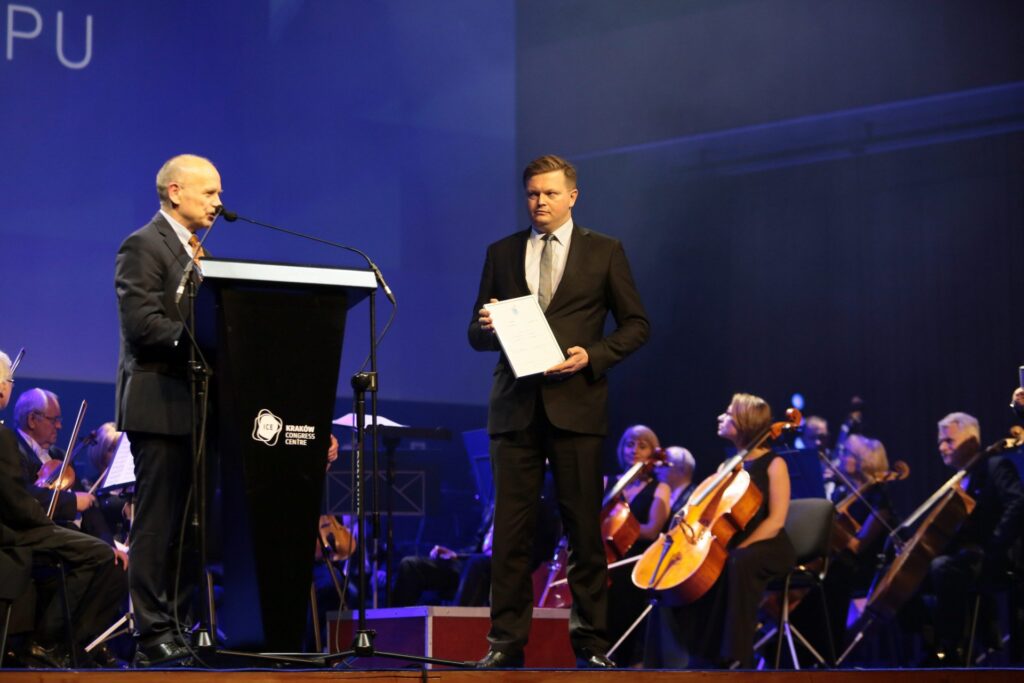
This year early 1,900 guests from 36 countries attended IV European Congress of Local Governments in Cracow. The most important central level politicians, local government representatives, business representatives, and local leaders met in Cracow to discuss the most important economic challenges. The events were carried out in the following paths: Finance, Society, Innovation, Economy, Environment, and Business and Local Government. In addition, three prizes were awarded, a special distinction went to Hyper Poland. Thanks to this, our company was able to present the prototype during the Economic Forum in Krynica.
18.04.2018 Hyper Poland nominated for the Polish Intelligent Development Award 2018

We are very pleased to announce that Hyper Poland has been nominated for the Polish Intelligent Development Award in the category of Innovation in Transport for the development of an ultra- fast means of transport based on the concept of sustainable transport. The Polish Intellectual Development Award is under the honorary patronage of the President of the Patent Office of the Republic of Poland, Dr. Alicja Adamczak.
22.01.2018 Hyper Poland is a semi-finalist European Startup Prize for mobility!

European Startup Prize for mobility is held under the patronage of the European Commission and the European Parliament. Nominated are the startups whose solutions can contribute to the sustainable development of mobility in Europe.
More information
09.01.2018 Hyper Poland is the winner of the StartUp Europe Awards in the Green category at the national level
StartUp Europe Awards (SEUA) is an initiative of the European Commission and Finnova Foundation, supported by the President of the European Parliament, the President of the Committee of the Regions, the Vice-President of the Economic and Social Committee and several members from the European Parliament. The prizes are awarded in 18 categories: Creative, Energy, Fintech, Green, e- Health, IoT, Smart Cities, Social Innovation, Tourism, Water, Agritech, Legal, Space, Cybersecurity, Climate, Fashion, Edtech, and Gastronomy.
Hyper Poland has represented Poland in the Green category during the European final, which was held in Fall 2018 in Brussels.
More information
2017
20.08.2017 Project for Polish Post
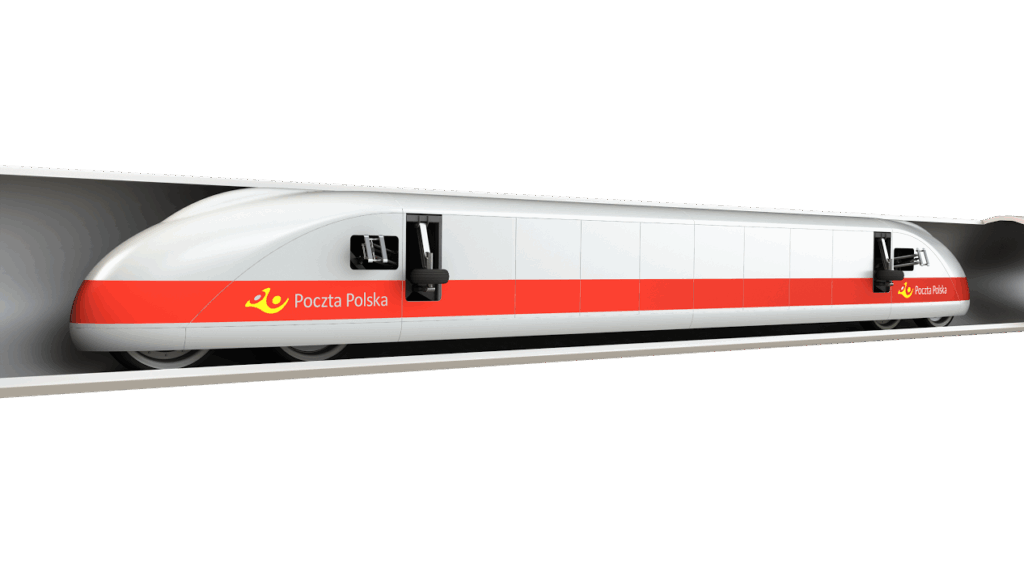
We are pleased to inform that Hyper Poland completed the project titled „Optimization of the process and logistics system of Polish Post in the perspective of the implementation of the new means of transport – Hyperloop.” The project received funding from the government program Scale UP through the accelerator GammaRabels powered by Poczta Polska (Polish Post). The result of the cooperation was to design a Hyperloop vehicle dedicated to Polish Post, to design a vacuum transport infrastructure and a loading system. The results are very optimistic, the introduction of tubular transport technology for consignments will drastically reduce the cost of transport and significantly reduce the transport cycle time. Such a solution would allow customers to receive a package ordered the same day anywhere in Poland without additional charges.
„By implementing the project, which fits in the pillars of Polish Post’s strategy, we have jointly proved that world-class innovations can start in an enterprise whose tradition reaches 459 years” – said Krzysztof Tabiszewski, former CEO of Hyper Poland.
03.07.2017 Test Track
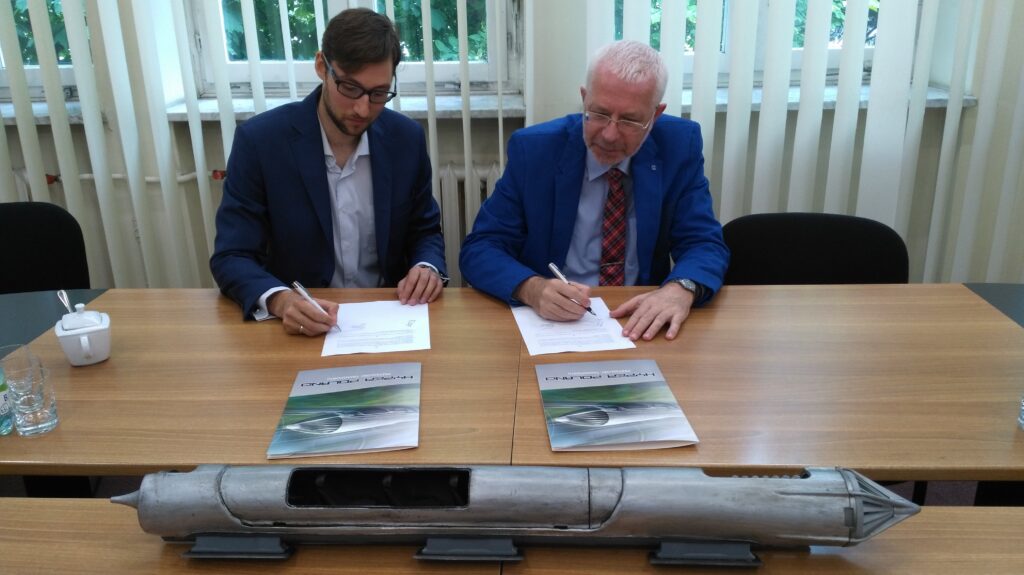
We are pleased to announce that on July 3, 2017 representatives of the Railway Institute and Hyper Poland signed a letter of intent for cooperation in the development of Hyperloop technology and the construction of the Hyperloop test track.
07.06.2017 Hyperloop One Global Challenge
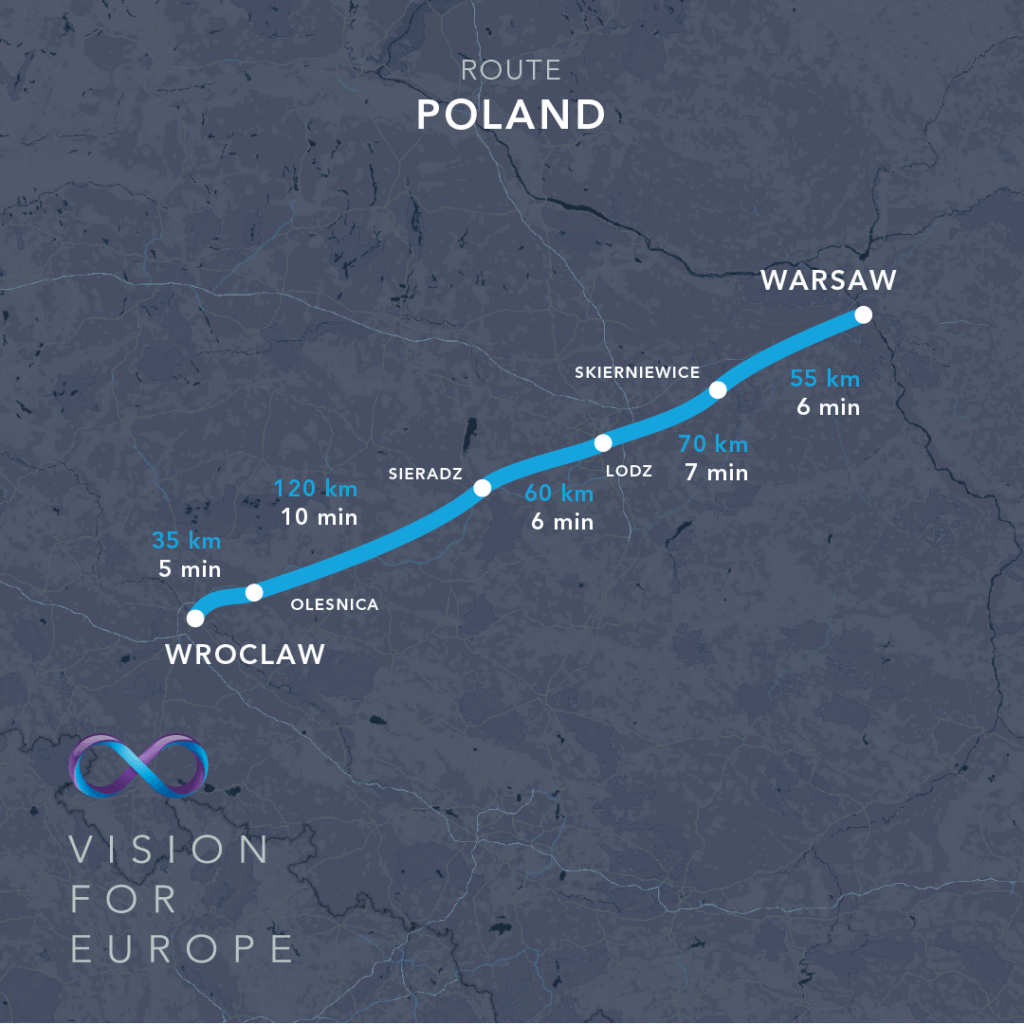
Hyper Poland is one of 35 semifinalists in the Global Challenge organized by Hyperloop One. Our proposed Hyperloop route (Warsaw-Lodz-Wroclaw) was recognized as an area of interest. The main goal of the challenge is to choose the best proposal for the first Hyperloop route in Europe. Representatives of Hyper Poland sp. z o.o. took part in the European semifinal of the Hyperloop One Global Challenge, which took place June 5-7 2017. The event provided an opportunity for discussion about the developments in the transportation market in Europe and around the world.
More information on the Hyperloop One Global Challenge can be found here:
Official page of the HOGC
Hyperloop One’s Vision for Europe Summit: Unveiling 9 Routes Spanning the Continent as Part of its Global Challenge
20.04.2017 SpaceX Hyperloop Pod Competition II
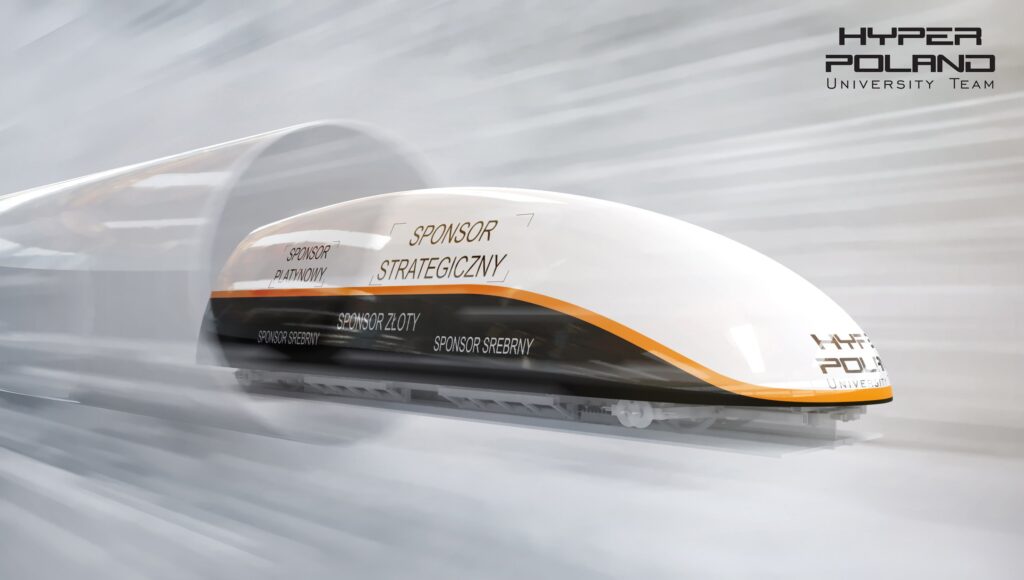
The Hyper Poland University Team, which is made up of 25 ambitious young engineers from the Warsaw University of Technology and the Wroclaw University of Science and Technology, designed a 1:1 scale prototype. Our capsule resembles the silhouette of today’s high-speed trains. It is driven by electric motors, and will either move on wheels or be raised by magnetic levitation, depending on the speed attained. Design speed for all components is about 430 km/h, while the target vehicle can travel at speeds up to 1200 km/h. Thanks to the use of materials from the aerospace industry, such as aluminum alloys, magnesium alloys, or carbon composites, the construction will be very light while retaining sufficient strength. For safety reasons it will be equipped with two independent braking systems. In addition, the electronic system will keep the vehicle on the road while driving and, if necessary, automatically initiate emergency safety procedures. This capsule will be a test platform for technology research that will be used in a full-fledged operating system in the future.
2016
04.10.2016 BIM for Innovation Award
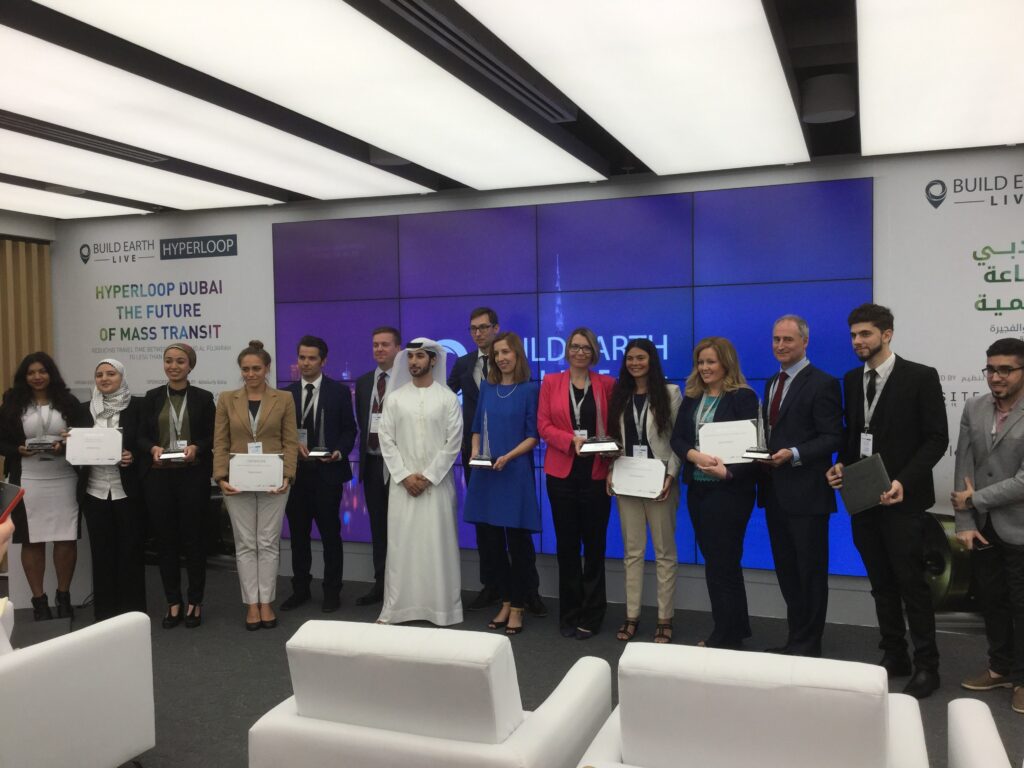
Team Hyper Poland, in cooperation with specialists from the U.S. (Wheeler Kearns Architects) and the United Arab Emirates (Asem Zabin from iTech Management Consultancy), received the prize for the most innovative approach to Building Information Modeling (BIM) in the contest finals of Build Earth Live: Hyperloop in Dubai. Build Earth Live: Hyperloop was the eighth edition of the competition organized by Asite. It took place on September 26-28 2016. The primary objective was to design freight and passenger pods and a tube with stations on the route between Dubai and Fujairah. Sixty-five teams from 29 countries competed, and 6 advanced to the finals. Along with Hyper Poland in the final was one of the world’s largest infrastructure design companies, Systra, and in the non-student category, the SpaceX Pod Competition Hyperloop, rLoop. The Hyper Poland team was awarded for integrating form and function with an innovative approach to the design process. The ceremony took place in Dubai on October 4, 2016 and the team was presented the award by the CEO of the Dubai Future Foundation, Saif Al Aleeli. Hyper Poland, in collaboration with Wheeler Kearns Architects , intends to continue working on the optimization of the Hyperloop station.